
World music covers diverse global traditions, instruments and fusion styles. It suits UK musicians seeking acoustic detail, cultural breadth and cross-genre ...
- 68 articles
- Music Genres
Articles on World Music
All news

The History of Cumbia
Cumbia's story is one of constant movement — from a stretch of Colombian coastline into orchestras, record labels and, eventually, samplers and DJ culture.


Bagpipes Explained: Features, Types and Tips
From the Great Highland pipes to the uilleann and the Galician gaita, bagpipes are a far richer family than most people realise. Here is a patient guide to the instrument in all its forms.


Highlife for Newcomers: Where to Start
Not sure where to start with highlife? Follow this five-stop listening path, built specifically for beginners, in order.


The History of Bhangra
No single artist or date started this one. Here's the honest arc, from Punjab's harvest fields to a genuine global hip-hop crossover.


The Best World Music Songs Right Now


The Ultimate Guide to Claves
Two wooden sticks that organise a whole family of music: how to hold and strike claves, the difference between son and rumba clave, and what 3–2 and 2–3 really mean.


Salsa Music for Newcomers: Where to Start
No homework required — just an easy, artist-by-artist path into salsa music for anyone starting from zero.


A Beginner's Guide to Bhangra
Heard a driving drum pulse under a Punjabi vocal and felt an urge to move? Here's what that tradition actually is, gently explained from the ground up.

World Music for Newcomers: Where to Start

The Complete Guide to Steel Pan Drum
The steel pan drum is a melodic percussion instrument born in Trinidad and Tobago, crafted from repurposed steel barrels. Discover its fascinating history, acoustic properties and role in global music...


The Best Cumbia Artists to Know
No single figurehead built this music — here's the roster of artists, across seventy years and four countries, who actually shaped it.


Koto Explained: Features, Types and Tips
A long plank of paulownia with thirteen strings that rewards patience — here's what a koto is, where it came from, and how it actually works.

The History of Soca
One musician, one decade, one clear intention — and five decades of evolution since. Here's how soca went from a 1970s studio experiment to Carnival's defining sound.


Bagpipes for Beginners: A Complete Guide
Bagpipes ask for patience, physical conditioning and proper guidance. Here is a gentle, step-by-step guide to getting started the right way.

World Music Subgenres, Explained


Samba Music Instruments: A Complete Buyer's Guide
Buying samba music instruments means building a balanced ensemble, not one drum kit — here's what actually matters, instrument by instrument.


The History of Salsa Music
Two islands and a New York borough — here's how salsa music actually came together.

Erhu Explained: Features, Types and Tips
The erhu is China's best-known bowed instrument — a two-stringed, fingerboard-free fiddle with a voice closer to singing than playing. Here's how it's built and why it sounds the way it does.

The Best Bhangra Artists to Know
The unsung dholis who drive the room, the British-era pioneers, and the crossover names the world actually knows. Here's who matters, and why.


A Beginner's Guide to Folk Music
Not one sound but a way music moves through a community. Here's what genuinely makes folk music folk, and a quick sweep through its history.
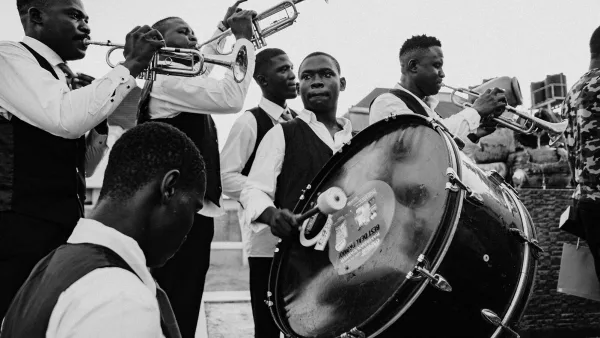
The History of Highlife
From Ghana's coastal palm-wine circles to E. T. Mensah's golden-age dance bands: the full story of how highlife came to be.

Fado Subgenres, Explained
Treat fado as one fixed sound and you'll trip up fast. Here are the five genuinely distinct strands, and how to tell them apart.


A Beginner's Guide to Soca
New to soca? Here's a friendly, no-pressure introduction to Trinidad and Tobago's Carnival sound — what it is, where it came from, and what to listen for first.

The Best Fado Songs Right Now
This isn't a fleeting chart — it's the small, hard-won canon that every new fado singer keeps adding to.

A broad category with global reach
World music is a wide umbrella for musical traditions, regional styles and hybrid forms from across the globe. For UK musicians and listeners, world music offers access to rich rhythmic languages, distinctive instruments and performance practices that sit outside mainstream Western pop and rock categories.
Instruments, voices and tradition
World music may feature acoustic instruments, hand percussion, string traditions, choral singing and local rhythmic patterns that reflect specific cultural origins. Recording world music often requires careful microphone choice, room capture and respect for natural dynamics, especially when the arrangement depends on texture and ensemble interplay.
Modern fusion and cross-cultural work
Many contemporary artists use world music influences within jazz, electronic, folk and popular styles, creating hybrid sounds for stage and studio. In the UK, world music remains important for community events, festivals and education, as well as for musicians seeking authentic timbres and broader creative references.
For performers and producers
Whether you are recording traditional ensembles or building crossover tracks, world music benefits from equipment that preserves detail and ambience. World music is a valuable category for musicians who want to explore cultural depth, rhythmic variation and expressive acoustic performance.

K Pop
Polished, performance-led pop with global influence, slick production and strong visual identity.
1 topic
Country Music
Country music combines storytelling lyrics, melodic hooks and acoustic-led band arrangements.
1 topic
Classical Music
Classical music spans composed repertoire for soloists, ensembles, choirs and orchestras.

Grunge
Grunge blends heavy guitars, raw vocals and dynamic songwriting for an intense, unpolished rock sound.
14 topics
Classic Rock
Classic rock covers enduring guitar-led songs, albums and artists that shaped modern rock culture.

Heavy Metal
Heavy metal combines powerful riffs, heavy drums and dramatic vocals for a loud, precise rock sound.
2 topics
Hard Rock
Hard rock delivers loud riffs, strong drums and big choruses for powerful live and studio rock.

House Music
House music delivers steady club rhythms, soulful grooves and adaptable electronic production for DJs and producers.

Punk Rock
Punk rock delivers fast tempos, bold riffs and an uncompromising live feel. Discover dependable gear for loud, immediate...

Classic
Classic is a broad discovery label for enduring recordings, standards and widely admired music.

Drum and Bass
Choose drum and bass gear for fast drums, deep bass and precise, high-energy UK production.
2 topics
Pop Music
Accessible, hook-led songs with polished production, strong vocals and broad mainstream appeal.
1 topic


