


Bhangra roundup
The Best Bhangra Artists to Know
The unsung dholis who drive the room, the British-era pioneers, and the crossover names the world actually knows. Here's who matters, and why.
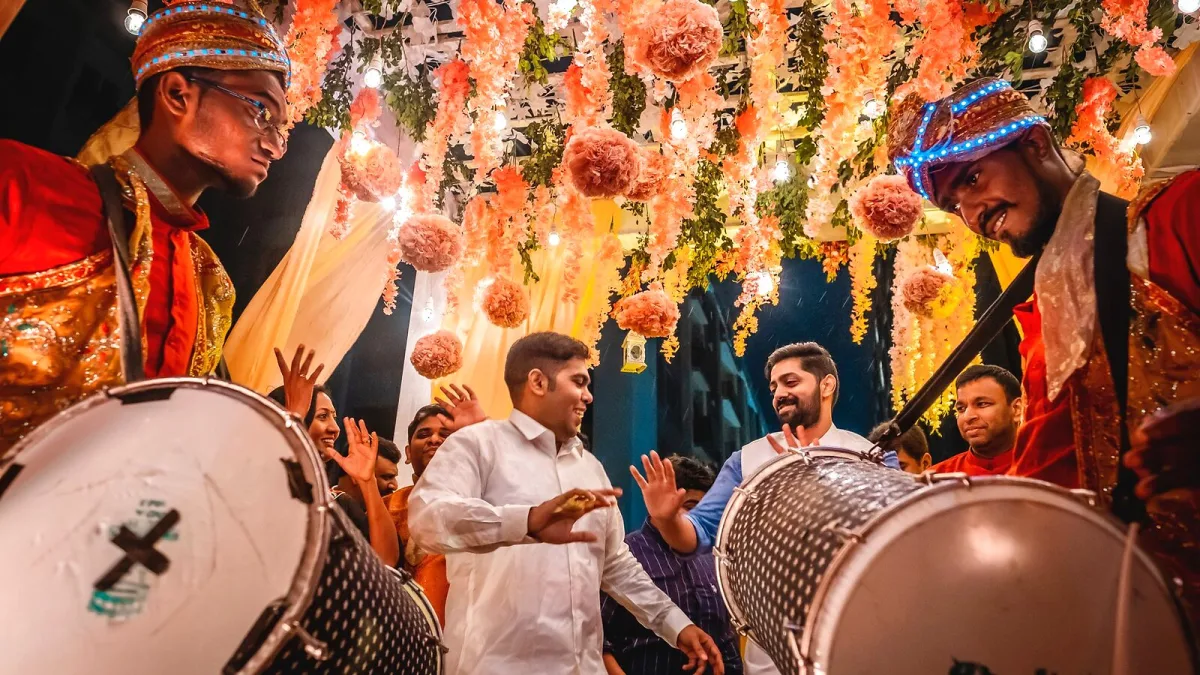
Every genre has its unsung engine room, and here it's the dholis — the drummers whose energy drives a whole room of dancers. But there are also recognisable bhangra artists, the ones who took a village dance and built careers, labels and even global hits out of it. Here's who actually matters, and why.
The Foundational Figures You Won't Always See Named
Before any group had a record deal, bhangra ran on dholis — the dhol players whose timing and energy shaped a performance in real time, cueing dancers through transitions with nothing more than their playing. Alongside them, tumbi players supplied those bright, repetitive melodic hooks, and boliyan singers delivered short, often witty or topical Punjabi verses. None of these roles come with the kind of individual fame a lead singer gets, but without them there's no bhangra at all — just a beat with nothing riding on it.
The British Commercial Era Bhangra Artists
The scene that turned this into a proper industry grew out of Britain's Punjabi communities from the 1970s onward, and a handful of names are consistently cited as central to that period.
| Artist / Group | Known For |
|---|---|
| Alaap | One of the major British groups behind the genre's UK development |
| Heera Group | A prominent name from the commercial British Asian era |
| Apna Sangeet | A significant group in the British Punjabi dance-music scene |
| Malkit Singh | A major singer closely associated with British bhangra and Punjabi popular music |
Popular histories don't always agree on the precise chronology or relative influence of these names, but all four are consistently mentioned when this era comes up, and their catalogues are worth digging into on any major streaming service.
The Global Crossover Bhangra Artists
A second wave of artists took the sound somewhere genuinely new: international, fusion-heavy and built to cross over well beyond Punjabi audiences. Panjabi MC is the name most people outside the scene will actually recognise, thanks largely to "Mundian To Bach Ke," which reached a mainstream global audience once it was reworked with Jay-Z as "Beware of the Boys." Apache Indian built a career at the intersection of Punjabi and reggae influences, helping normalise that particular fusion for British audiences. RDB pushed further into hip-hop and R&B-influenced production, representing a more contemporary, internationally minded strand of the sound.
Want to hear where these names actually fit in the bigger timeline? Our full history lays out the whole arc properly.
A Note on Verifying Claims About Bhangra Artists
Bhangra's commercial life ran heavily through independent cassette labels, wedding circuits and community promoters rather than the kind of chart-tracking, discography-cataloguing machinery that follows most Western pop genres. That means claims about who was "first," "biggest" or "most influential" deserve a healthy amount of scepticism unless they're backed by something more solid than a passing mention on a blog. The names above are consistently and reliably cited across reputable reference sources; treat anything more specific — exact release dates, chart positions, sales figures — as something worth double-checking before you repeat it.
Beyond the Big Names
None of this is a closed list of bhangra artists. Contemporary bhangra includes plenty of female vocalists, mixed-gender dance teams and choreographers who rarely get mentioned in potted histories that default to a handful of male names from the commercial era. If you're exploring seriously, don't stop at the artists everyone already knows.
Where to Go From Here
If you want the wider picture before diving into individual names, our beginner's guide covers the sound and its roots from scratch, and if it's your very first time listening at all, our newcomer's starting guide gives you an actual entry point rather than a list of homework.
The Bottom Line
From the uncredited dholis who drove every performance, through the British groups who built an industry, to the crossover bhangra artists who took the sound global, this is a genre built by generations of people rather than one breakout star. Start with the names above, but don't assume the story stops there.


Comments