


Bhangra article
Bhangra Subgenres, Explained
One word covers a lot of ground here. Here's what actually separates the different bhangra subgenres, and why the boundaries stay so blurry.

Call something "bhangra" and, honestly, you've told people less than you think about which of the many bhangra subgenres you actually mean. This is one word covering a genuinely wide range of sounds — from a live dhol performance at a village harvest festival to a hip-hop-inflected club track with a full production budget. Here's what actually separates the different bhangra subgenres, and why the boundaries stay so blurry.
Traditional and Folk Bhangra
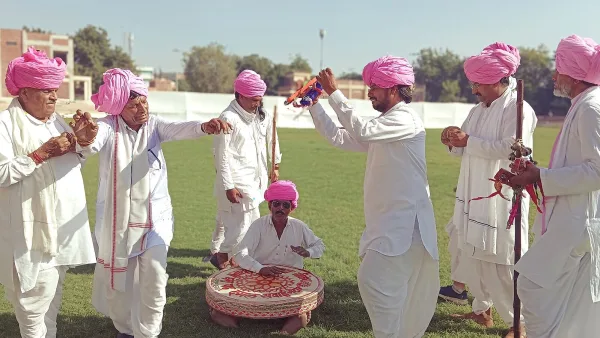
This is the root form: live dhol, tumbi, algoza and chimta, performed at harvest celebrations and community events across Punjab, historically tied to Vaisakhi and agricultural life. There's no studio production layered on top here — the energy comes entirely from the dholis driving the rhythm and the dancers responding to it in real time. If you want to understand where every other strand ultimately comes from, this is it.
British Bhangra
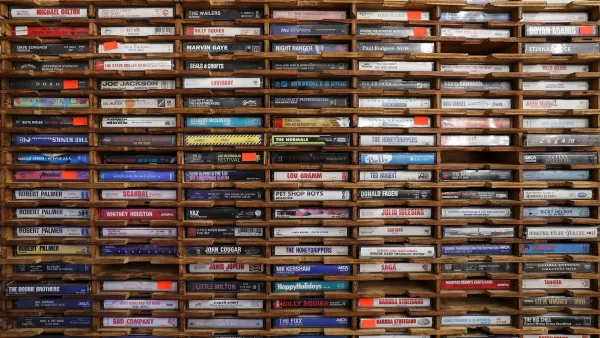
From the 1970s onward, Punjabi communities in cities like Birmingham and Southall built a distinctly commercial, recording-oriented version of this sound. Groups like Alaap, Heera Group and Apna Sangeet, and singers like Malkit Singh, represent this era — more polished production, aimed at cassette sales, weddings and eventually nightclubs rather than purely live community performance. This is the strand that effectively turned a folk tradition into an industry.
Bhangra Pop and Global Fusion
By the 1990s and 2000s, the sound was actively merging with hip-hop, R&B, reggae, garage and electronic production. Panjabi MC's "Mundian To Bach Ke" — later "Beware of the Boys" with Jay-Z — is the clearest example of this fusion strand reaching a genuinely global, non-Punjabi audience. Apache Indian's reggae-influenced work and RDB's hip-hop-leaning productions sit firmly in this territory too. This is generally the most commercially accessible strand for a listener with no prior exposure to Punjabi music.
Bhangra Subgenres Versus Other Punjabi Traditions
| Form | How It Differs |
|---|---|
| Giddha | A distinct Punjabi folk dance and musical tradition, historically associated more with women performers |
| Jhumar (jhummar) | A separate regional Punjabi folk form with its own rhythmic and performance conventions |
| Boliyan | Short sung Punjabi verses, often humorous or topical, that can appear within bhangra but aren't exclusive to it |
| Punjabi pop | A much broader commercial category that may borrow bhangra elements without being a straightforward example of it |
None of these labels have perfectly agreed-upon edges. Whether a specific contemporary Punjabi track should be called bhangra, bhangra fusion or simply Punjabi pop is a genuinely live debate, not a settled classification, even among people who've followed the scene closely for years.
Why the Lines Between Bhangra Subgenres Blur So Much
Part of the reason is structural: this genre never had a centralised industry deciding what counted and what didn't. It grew through independent labels, wedding circuits and community promoters, with different artists, regions and decades all pulling the definition in slightly different directions. That's not a flaw — it's exactly what you'd expect from a living folk tradition that kept absorbing new influences rather than freezing into one fixed commercial format.
For the fuller story of how these strands developed over time, our history guide lays the whole timeline out properly.
Where to Go From Here
Curious which artists represent each of these strands in practice? Our artist guide sorts them out by name, and if all of this is brand new to you, our beginner's guide starts from first principles.
The Bottom Line
Knowing these bhangra subgenres won't hand you a perfect filing system — nobody has one for this genre — but it will help explain why a live dhol performance and a Jay-Z-featuring club single can both reasonably wear the same name, and why that's a feature of this tradition rather than a problem with it.



Comments