


Bhangra article
The History of Bhangra
No single artist or date started this one. Here's the honest arc, from Punjab's harvest fields to a genuine global hip-hop crossover.
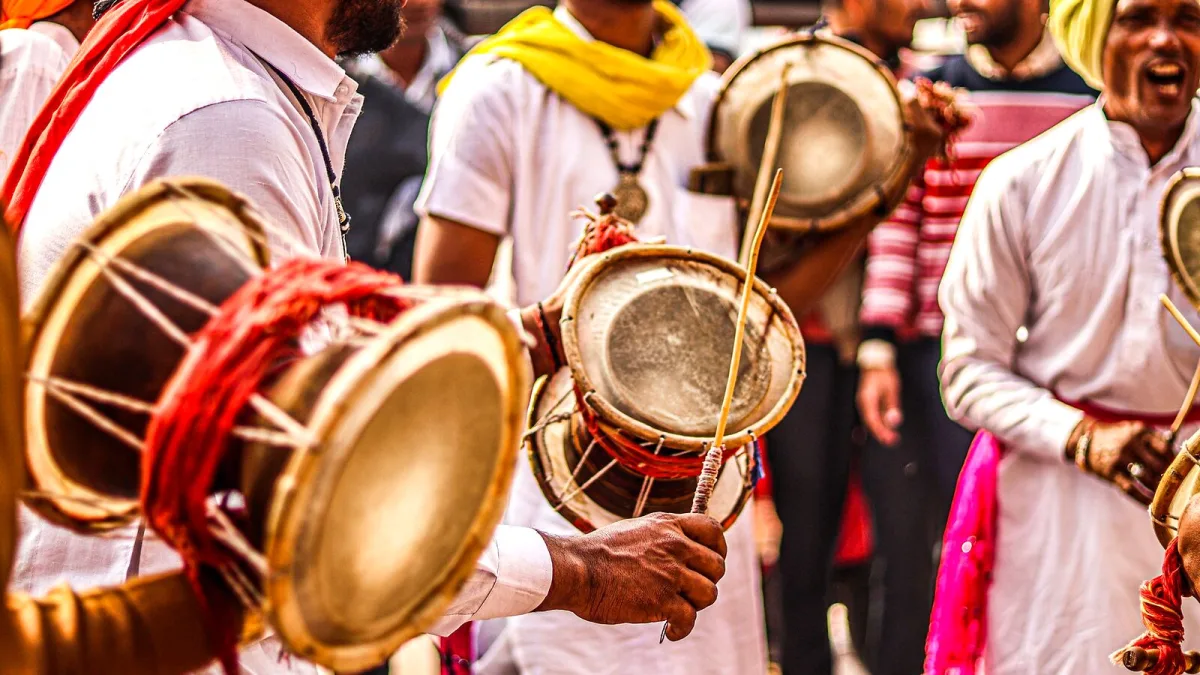
Some genres have a tidy birth certificate — a first single, a first band, a first city. This one doesn't, and that's worth saying upfront: bhangra developed gradually, over generations, across fields and then across an ocean, and no single artist or date can honestly claim to have started it. Here's the arc as reliably as it can be traced.
Long Before It Was Recorded
Before it was ever a genre you could buy on a cassette or stream on your phone, bhangra was a Punjabi folk dance, performed at agricultural harvest celebrations by farming communities across Punjab, a region now split between northwestern India and northeastern Pakistan. Vaisakhi, usually observed in April, was one of the key occasions tied to this kind of communal dancing and music-making. Some popular accounts reach for very ancient origin dates, but the stronger historical record simply doesn't support a precise founding moment — it's better understood as a living tradition that developed over time within Punjab's rural culture rather than something invented on a specific day.
Village Instruments, Bhangra's Village Sound
The dhol — a large double-headed drum struck with two different beaters to produce contrasting low and high tones — sat at the heart of this music from early on, joined by the tumbi, algoza, chimta and other regional instruments. Traditional lyrical themes covered harvesting, village life, love, migration, humour and community identity, and dhol players effectively drove the energy of a performance, cueing dancers through transitions and tempo changes.
The British Diaspora Rewrites the Story
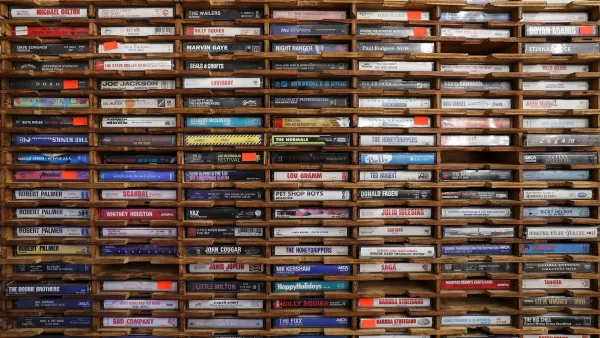
The single biggest turning point in this history happened thousands of miles from Punjab. Punjabi immigrants and their children in the United Kingdom, particularly in Birmingham and Southall, built an entire independent music industry from the 1970s onward — cassette labels, community halls, wedding circuits and eventually nightclubs. Groups like Alaap, Heera Group and Apna Sangeet, along with singers such as Malkit Singh, were central to this British commercial era, even if precise chronology and relative influence are described differently across popular histories.
This wasn't traditional bhangra simply transplanted into a new country. It reflected a diaspora actively negotiating heritage, British youth culture and a fast-growing appetite for danceable, amplified production. By the 1980s and 1990s, the sound had grown more polished and increasingly built for club floors as much as for weddings, setting a template for the Punjabi pop that followed.
Bhangra Goes Global: The 1990s and 2000s
The next major shift came through fusion with hip-hop, R&B, reggae, garage and electronic production. Artists like Panjabi MC, Apache Indian and RDB carried these hybrid sounds to international audiences during this period. The clearest single moment of global crossover is Panjabi MC's "Mundian To Bach Ke," which reached a vastly wider hip-hop audience once it was reworked with Jay-Z as "Beware of the Boys" — a genuinely rare example of a Punjabi-rooted track becoming a mainstream Western hit.
Curious about the people behind these moments? Our guide to the key artists goes deeper on each of them.
What Hasn't Changed About Bhangra
Despite everything layered on top — synthesisers, drum machines, samples, English-language hooks — the dhol's pulse has remained the one constant thread running through bhangra's entire history. That's arguably the clearest evidence that this is genuinely one continuous tradition rather than several unrelated genres that happen to share a name.
Where the History Gets Genuinely Fuzzy
Honest history writing means admitting what isn't settled. There's no universally agreed date for when the modern, recorded form of bhangra properly began. The exact origin of the word itself is disputed across popular sources. And whether a given contemporary Punjabi pop track should be labelled bhangra, Punjabi pop or bhangra fusion is a genuinely live debate, not a solved classification problem — even among people who've followed the scene for decades.
The Bottom Line
This history runs from Punjab's harvest fields, through British community halls and cassette shops, and out onto the global charts, without ever losing its central instrument or its function as music built for dancing. Knowing that arc makes sense of why bhangra can sound so different from one decade, or one continent, to the next — and why it's still evolving rather than finished.



Comments