


Samba Music Instruments roundup
Samba Music Instruments: A Complete Buyer's Guide
Buying samba music instruments means building a balanced ensemble, not one drum kit — here's what actually matters, instrument by instrument.
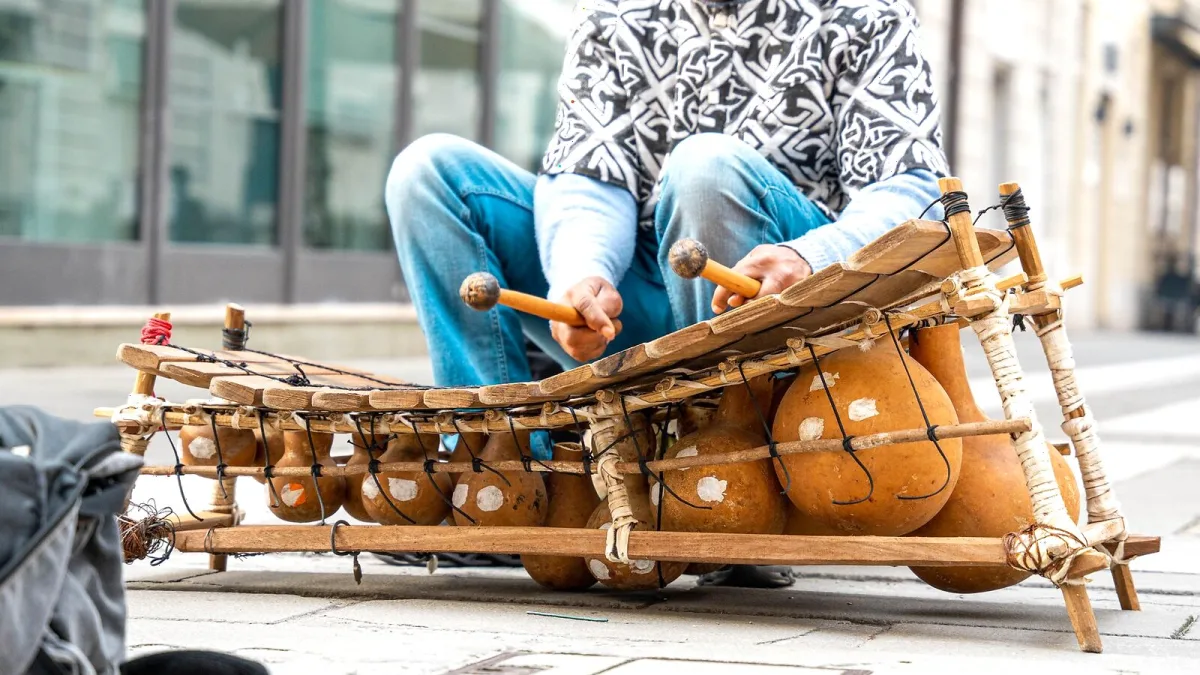
Buying samba music instruments isn't like buying one drum kit — you're building a small, balanced ensemble, and each piece has its own specific job to do. Get one badly matched instrument and it can genuinely throw the whole group off, whether that's a surdo too quiet to anchor anything or a tamborim that can't cut through the mix. Here's what actually matters, instrument by instrument.
Surdo: Diameter, Shell Depth and Head Type
Bigger generally means lower and louder, but weight and comfort on a shoulder strap matter just as much for a player who'll be carrying it for a whole rehearsal. Synthetic heads handle outdoor conditions and humidity far better than untreated natural skins, and decent tuning hardware makes a real difference to how quickly you can get a consistent pitch across several drums in a section.
Caixa and Repinique: Snare Response and Projection
On a caixa, check the snare wires respond cleanly to accented strokes without buzzing uncontrollably on everything else — that continuous rattle is doing real rhythmic work, not just decoration. A repinique needs to project clearly over the rest of the ensemble since it's calling breaks and cues; a comfortable strap position matters here too, because you'll be reaching across it constantly with the free hand.
Tamborim: Head Response and Beater Flexibility
A tamborim lives or dies on how the head responds to a flexible multi-rod beater — too stiff a head and the fast, syncopated patterns lose their bite. Check the shell is genuinely rigid; a flimsy one flexes under the beater and kills projection exactly when you need it to cut through.
Pandeiro: Jingles, Head and Tuning
The number and type of jingles change the whole character — more jingles generally means more shimmer, fewer means a drier, punchier sound. A lower-pitched pandeiro suits accompaniment, while a brighter, tighter head favours solo playing. Check the tuning system actually lets you adjust pitch reliably rather than fighting you every time.
Agogô, Ganzá, Cuíca and Reco-Reco: The Smaller Details
An agogô's bells need to speak clearly even in a loud ensemble, so check sustain and projection, not just tone in isolation. Ganzá and chocalho shakers should feel comfortable for long stretches — weight and grip matter more than most buyers expect. A cuíca is all about the friction surface staying stable, since that's what actually produces its distinctive cry. A reco-reco's resonance depends heavily on its material, so listen for genuine projection rather than a dull scrape.
Buying Checklist
Before you commit to any samba music instruments: match each one's size and pitch to the role it needs to fill in your group, prioritise projection and comfort over decoration, and check synthetic heads if outdoor use is likely. If you want the fuller picture of how these instruments fit together first, our complete guide explains the ensemble properly, and our beginner's guide keeps a first purchase simple.
The Bottom Line
Buy samba music instruments for the role each one plays, not the shelf appeal. For specific recommendations by budget, see our round-up by price tier, and once you've bought, avoid the pitfalls in common mistakes to avoid.





Comments