


Samba Music Instruments article
Samba Music Instruments: A Complete Guide
Samba music instruments aren't really one thing — they're an interlocking system, a whole ensemble built from parts that only make sense together.
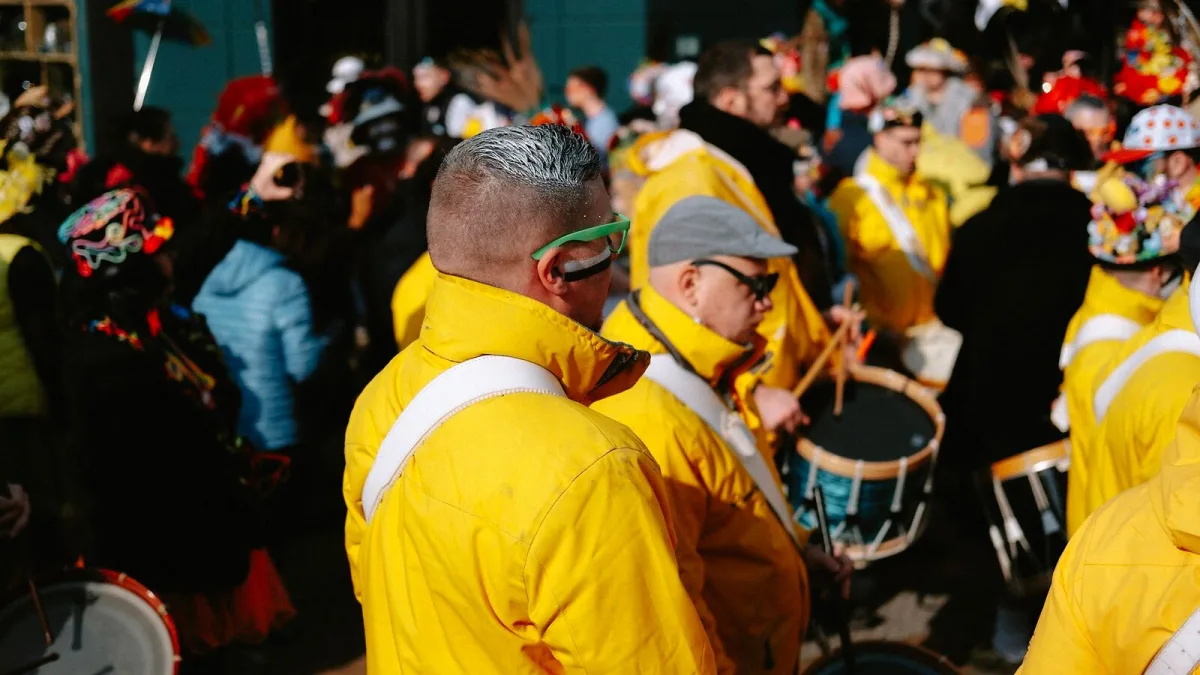
Samba music instruments aren't really one thing — they're an interlocking system, a whole percussion ensemble called a bateria built from parts that only make full sense together. Pull any single piece out on its own and you'll hear a simple, repeating pattern. Put the whole ensemble together and those simple patterns lock into something far more complex than any one player is actually doing. Here's how the pieces fit.
The Ensemble, Not a Single Instrument
A carnival bateria typically layers surdos, caixa, repinique, tamborim, agogô, ganzá, reco-reco, pandeiro and cuíca into one polyrhythmic system. Think of it less like a drum kit and more like a choir: each section holds one repeating role, and the interdependence between sections — not any individual part — is where the actual music lives.
The Low End: Surdo
The surdo is the large, two-headed drum that anchors everything else — the bass voice of the whole ensemble. Big baterias often field several surdos tuned to different pitches or functions rather than one single bass drum, giving the low end its own internal layering. It's usually struck with a padded mallet, worn on a shoulder strap, with the free hand damping the head to shape each note.
The Cutting Edge: Caixa and Repinique
The caixa is Brazil's take on a snare drum, its wire snares producing a continuous rattle that articulates every subdivision underneath the surdo's pulse. The repinique sits above it in pitch and function — a two-headed drum played with one stick and the free hand, used for calls, breaks and cueing transitions. If the surdo is the bass of this choir, the repinique is very much the tenor calling out the changes.
The High Voices: Tamborim, Agogô and Shakers
The tamborim is small, single-headed, held in one hand and struck with a flexible multi-rod beater to produce fast, syncopated phrases that cut clean through the lower instruments. The agogô — two or more metal bells of different pitch — adds both rhythmic punctuation and a limited melodic contour. Ganzá and chocalho shakers fill in the dense subdivision layer underneath all of it, the rhythmic glue holding every other section together.
The Colour: Cuíca and Reco-Reco
Nothing else in the ensemble sounds quite like the cuíca, a friction drum played by rubbing a damp cloth along a rod attached to the inside of its head — that's where samba's distinctive, almost vocal "cry" comes from. The reco-reco, a ridged scraper worked with a stick, contributes a drier, more textural rhythmic layer that sits comfortably alongside the shakers without duplicating them.
Beyond Percussion: Cavaquinho and Guitar
Not all samba music instruments are percussion. Samba isn't purely rhythmic. The cavaquinho, a small four-string instrument, supplies bright, syncopated harmony in pagode groups and rodas de samba, often alongside violão (Brazilian guitar) or a seven-string guitar adding contrapuntal bass movement. A large carnival bateria leans almost entirely on percussion, but smaller, informal samba settings bring these string instruments right to the front.
The Bottom Line
Understanding these samba music instruments properly means understanding roles, not just names — bass, tenor, alto and soprano voices working as one interlocking system rather than a pile of unrelated percussion. If you're building a starter collection, our buyer's guide covers what to check on each instrument, and our beginner's guide keeps the first steps simple. See our round-up by budget and common mistakes to avoid before you buy anything.




Comments