


Samba Music Instruments article
Common Samba Music Instruments Mistakes to Avoid
Most disappointment with samba percussion isn't about the gear itself — it's a handful of habits that are genuinely easy to avoid once you know them.
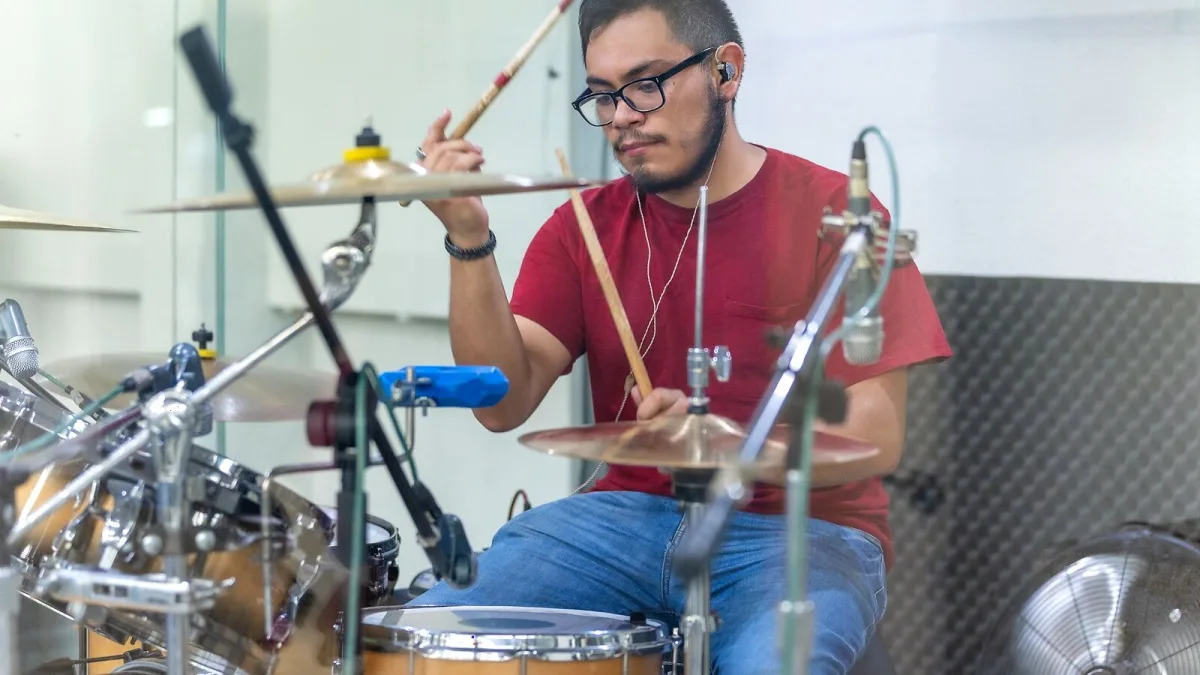
Most disappointment with samba music instruments isn't about the gear itself — it's about a handful of habits picked up early that are genuinely easy to avoid once you know to look for them. Here's the honest list.
Mistake 1: Buying a Random Assortment Instead of Balanced Roles
Picking up whichever instruments look fun rather than thinking about pulse, subdivision and cue means you end up with a pile of percussion that doesn't actually function as an ensemble. Before buying anything else, make sure the low end, subdivision layer and lead voice are all covered.
Mistake 2: Ignoring Natural Skins in Damp or Outdoor Conditions
Untreated natural drumheads react badly to humidity and temperature swings — they can stretch, warp or lose their tuning entirely at exactly the wrong moment. If your samba music instruments will spend any real time outdoors or in a damp rehearsal space, synthetic heads are the far more forgiving choice.
Mistake 3: Skipping Hearing Protection at Rehearsal
A room full of surdos and caixas gets loud fast, and it's easy to assume that only matters at a huge carnival parade. It doesn't — a small rehearsal room with a handful of players can produce genuinely hazardous sound levels. Get into the habit early rather than treating it as something only professionals need to worry about.
Mistake 4: Learning Every Part at Full Speed Immediately
Rushing straight to performance tempo bakes mistakes into your hands before the pattern is properly locked in. Slow, deliberate practice with a metronome feels unglamorous, but it's genuinely the faster route to playing something well rather than playing something fast and sloppy.
Mistake 5: Treating the Tamborim or Agogô as an Afterthought
It's tempting to spend all your budget and attention on the bigger, louder drums and treat the smaller instruments as cheap extras. A weak tamborim or an agogô that doesn't project properly can genuinely undermine the whole ensemble's clarity, even though neither one is the loudest thing in the room.
Mistake 6: Never Checking Tuning Hardware Before a Rehearsal
Hardware that's worked loose or corroded costs you tuning stability exactly when you need it most, mid-rehearsal, with everyone else waiting. A quick check before you play saves a genuinely annoying pause later.
Mistake 7: Assuming One Universal Instrument List Exists
A large carnival bateria, a pagode group and a roda de samba genuinely don't use the same instrumentation, and assuming there's one correct, universal setup leads to confusion when your experience doesn't match someone else's description online. Match your instruments to your actual style of samba, not a generic list.
The Bottom Line
Nearly all of these come back to the same thing with samba music instruments: think about the role each one plays before you buy or practise it. If you want the complete picture done properly from the start, our complete guide covers how the ensemble fits together, and our beginner's guide is the gentler version if you're just starting out. Shopping for gear? See our buyer's guide and our round-up by budget before you spend anything.




Comments