


Samba Music Instruments roundup
The Best Samba Music Instruments for the Money
A bateria is a system of different roles, not a shelf of interchangeable products — here's an honest, tier-by-tier breakdown of where your money goes.
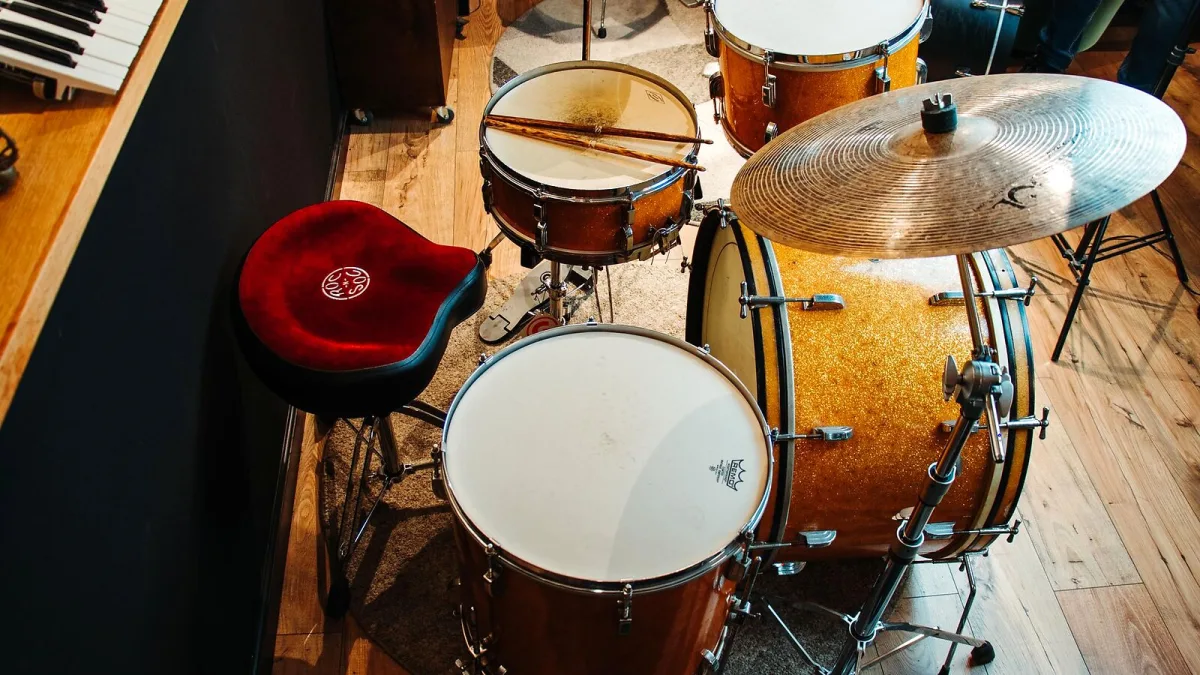
There's no single "best" set of samba music instruments, because a bateria is a system of different roles, not a shelf of interchangeable products. What follows instead is an honest breakdown of what your money actually buys at each tier, instrument by instrument, so you can spend sensibly on the parts that matter most for how you'll actually play.
| Tier | What You Typically Get | Good For |
|---|---|---|
| Entry | ABS or moulded-plastic shells, basic hardware | Learning, outdoor durability, tight budgets |
| Mid-range | Better heads, more reliable tuning, improved projection | Regular rehearsal, small ensembles |
| Professional | Traditional wood or premium shells, refined tone | Performance, recording, serious ensembles |
Entry Tier: ABS Shells Are Genuinely Fine
Moulded plastic (ABS) shells are common on affordable, durable instruments, and they're a genuinely sensible choice for learning or outdoor carnival-style use — they shrug off humidity and knocks that would worry a natural-wood shell. What you're trading against pricier options is mostly tonal refinement, not fundamental reliability. Brands producing entry-tier samba music instruments with ABS shells are a solid place to start rather than a compromise to apologise for.
Mid-Range: Where Rehearsing Regularly Pays Off
This tier suits anyone practising or performing several times a month. Heads respond more consistently, tuning hardware holds its setting for longer between sessions, and instruments like the tamborim and caixa start projecting noticeably better through a crowded ensemble mix. It's the point where the extra spend genuinely translates into fewer rehearsal frustrations.
Professional Tier: For Performance and Recording
At the top end, traditional wood shells and premium hardware bring a more refined, complex tone that's genuinely worth chasing for recording or serious performance work. It's not necessary for casual weekend practice — you're paying for tonal nuance that mostly matters once other variables, like your own technique, are already solid.
Where to Prioritise Your Budget
If you're building a small ensemble on a limited budget, put the better money into the surdo and caixa first — they're doing the most structural work, and a weak low end or muddy subdivision layer undermines everything built on top of it. Tamborim, agogô and shakers can reasonably stay entry-tier a little longer without hurting the overall sound as much.
Secondhand Is a Genuinely Good Option Here
Percussion shells generally age well compared with electronics, so a secondhand surdo or caixa with sound hardware and a healthy head can be excellent value. Check for cracks, warping and rusted tuning hardware, and budget for a replacement head if the current one looks tired — that's a cheap fix that transforms an otherwise solid used instrument.
My Take
Spend where the structural work happens across your samba music instruments, and don't feel pressured into professional-tier gear before your technique is ready to make full use of it. For the complete picture of how each instrument fits into the ensemble, our complete guide is the natural companion, and our buyer's guide covers the specifics to check before spending. New to all this? Start with our beginner's guide instead, and our common mistakes to avoid is worth a read too.




Comments