


Cumbia roundup
The Best Cumbia Artists to Know
No single figurehead built this music — here's the roster of artists, across seventy years and four countries, who actually shaped it.
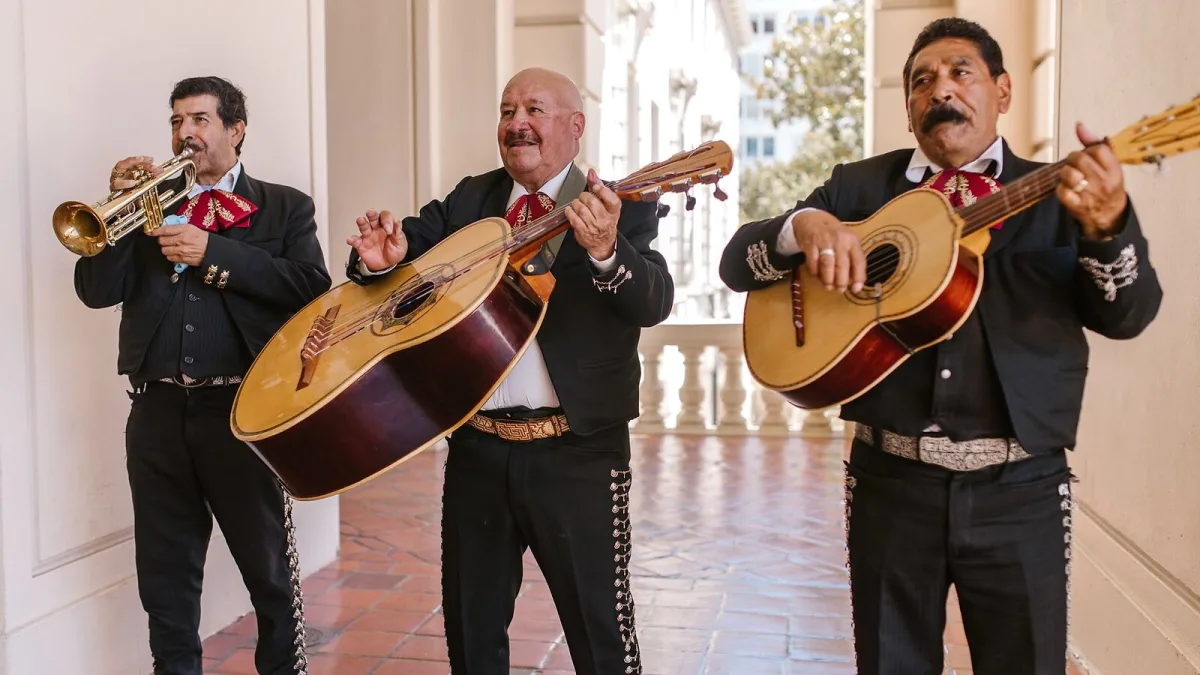
Cumbia doesn't have one figurehead — it has dozens of them, scattered across seventy-odd years and half a dozen countries who've each shaped the wider cumbia story. Some built the tradition from the ground up, some dragged it into new genres entirely, and some are still out there right now proving it hasn't finished evolving. Here's who actually matters, and why.
The Traditional Pioneers
Los Gaiteros de San Jacinto are about as foundational as it gets: a Colombian gaita ensemble built around the flutes, drums and rattles of the traditional conjunto de gaitas format, carrying that Caribbean coastal sound forward with minimal outside influence. Totó la Momposina did something equally important from a different angle — taking that same traditional Caribbean Colombian repertoire and presenting it to international audiences without watering it down. If you want to hear where everything else on this list ultimately comes from, start here.
The Orchestral Crossover Legends
Lucho Bermúdez is the name most associated with moving cumbia out of regional folk practice and into big-band orchestral arrangements, a shift that helped carry cumbia to national and international popularity in the twentieth century. Decades later, Carlos Vives did something comparable for a new generation, blending Colombia's coastal traditions with vallenato and mainstream Latin pop and bringing that sound to listeners who'd never have found it otherwise.
The Mexican Giants
Los Ángeles Azules built a genuinely distinctive, romantic, keyboard-led sound out of Mexico City that's arguably the most commercially prominent version of this music anywhere — they've spent decades collaborating with pop artists and introducing new listeners to cumbia in the process. Celso Piña, working out of Monterrey, took a completely different route, connecting the accordion-driven Colombian tradition with reggae, hip-hop and urban Mexican music in a way nobody else quite managed. And it's worth remembering that Carmen Rivero was a major figure in popularising the genre in Mexico in the first place, laying groundwork the artists above built on.
The Peruvian Chicha Icons
Peru took the same rhythm and handed the melody to the electric guitar instead of the accordion, and Los Mirlos and Juaneco y su Combo are the two names you need to know from that scene — both foundational to chicha's Amazonian, psychedelic-tinged identity, and both still cited constantly whenever anyone explains where that guitar-led sound actually came from. Chacalón is the other essential name here, a genuinely foundational figure in Peruvian chicha with deep urban and Andean associations.
Argentina's Street-Level Voice
Damas Gratis are the band most associated with cumbia villera, the Argentine branch that turned the genre toward direct, unglamorous lyrics about poverty, crime and working-class urban life around the turn of the millennium. It's a world away from the romantic Mexican sound above, and that's precisely the point — same rhythm, completely different lyrical territory.
The Modern Electronic Wave
Bomba Estéreo and Systema Solar, both Colombian, represent where a lot of the energy in cumbia sits today — taking that same underlying pulse and rebuilding it with electronic production, hip-hop influence and festival-ready arrangements. Dengue Dengue Dengue! does something similar from a Peruvian and broader Latin American psychedelic-electronic angle, while Raymix has been a prominent figure in bringing electrocumbia specifically to wider Latin pop audiences in Mexico. Chico Trujillo is worth a mention too, an example of a modern Latin American band treating the genre as a hybrid platform rather than a museum piece.
Where to Go From Here
That's a genuinely broad cumbia starting roster, spanning three generations and four countries, and none of it is invented ranking — these are the names that keep coming up across serious writing on the subject. For the records that made several of them essential listening, see our guide to essential albums. If you want the bigger picture first, our beginner's overview and history piece fill in the context around every name here, and our subgenres guide explains exactly how these regional scenes differ from each other.




Comments