


Cumbia article
Essential Cumbia Albums Explained
There's no agreed canon of essential cumbia records, but these are the albums that keep turning up — a proper starting point, not a definitive ranking.

There's no single agreed canon of essential cumbia records — ask five different specialist sites and you'll get five different lists. What follows isn't gospel, it's a genuinely useful starting point: records that keep turning up across serious writing on the subject, moving from Colombian tradition through to modern electronic production. Put them on in order and you'll hear the whole story unfold.
Where It Starts: Traditional Colombian Records
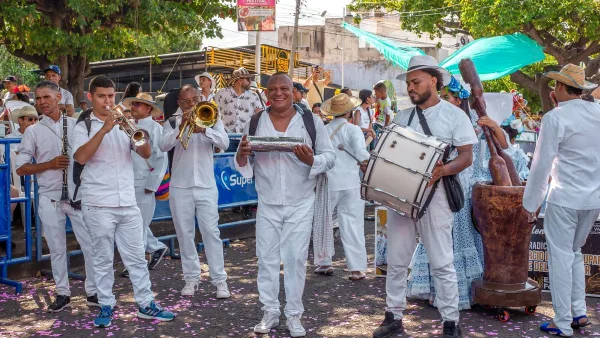
Los Gaiteros de San Jacinto – Gaita y Tambora. This is the source code: gaita flutes, tambora and a folkloric ensemble sound with almost nothing added. Clímaco Sarmiento y Su Orquesta – Bombo y Maracas (1961) shows the next step, a more arranged, orchestral take that's been identified as an early recording to bring bass prominently into the mix. Play them back to back and the shift from communal ritual to commercial recording becomes obvious.
The Coastal Sound Goes National
Totó la Momposina – La Candela Viva (1993) is the record that connected international audiences with Caribbean Colombian tradition without smoothing off its edges. Carlos Vives – Clásicos de la Provincia, also from 1993, did the opposite job just as well — pulling coastal Colombian music, including cumbia and vallenato, straight into the Latin pop mainstream. Released the same year, they're a fascinating study in two completely different routes to the same audience.
Mexico's Contribution
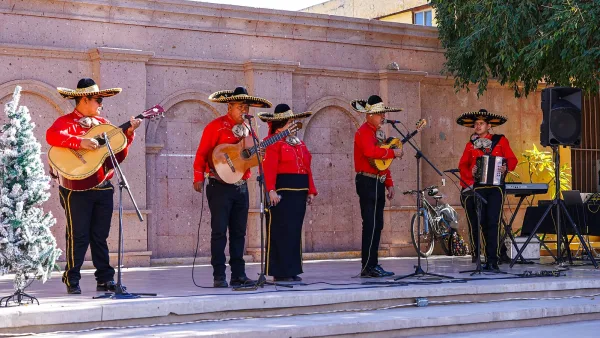
Los Ángeles Azules – Cómo Te Voy a Olvidar (1993) is essential for understanding Mexico's polished, keyboard-led, thoroughly romantic take on the genre — it's frequently identified in cumbia discographies as a defining title. Celso Piña – Cumbia Sobre el Río (2001) is the other unmissable Mexican record, a direct demonstration of the crossover between accordion-led cumbia, hip-hop and Monterrey's urban culture.
Peru's Electric Turn
Los Mirlos – Corazón Amazónico (1973) and Juaneco y su Combo – Chicha Libre (1978) are the two records to know from Peru's chicha scene, both built around guitar-led tropical psychedelia rather than accordion. If you only have time for one compilation, The Roots of Chicha: Psychedelic Cumbias From Peru, 1968–78 does a genuinely excellent job of framing the whole movement in one place, even though it's a various-artists collection rather than a single band's album.
Argentina's Working-Class Voice
Damas Gratis – Para los pibes (2000) is the record most associated with cumbia villera's early identity — direct, unpolished, and a world away from the romantic Mexican sound above. If you want to understand why this branch caused such a stir when it emerged, this is where to start.
Cumbia Goes Digital
Bomba Estéreo – Elegancia Tropical (2012) and Systema Solar – La Revancha del Burro (2013), both Colombian, bring the story full circle — the same underlying pulse from Los Gaiteros de San Jacinto, rebuilt with electronic production, hip-hop influence and festival-scale ambition. It's proof this music was never a museum piece.
A Word on This List
Exact editions and release dates for some of these titles vary between reissues and specialist databases, so treat this as an entry point for your own listening rather than a definitive, verified discography — half the fun of digging into cumbia is finding the regional pressing or reissue that speaks to you specifically. For the people behind these records, see our artists guide, and for individual tracks worth knowing, our essential songs guide is the natural next stop. New to all this? Start with our beginner's guide instead.




Comments