


Cumbia article
Cumbia Subgenres, Explained
Call something cumbia and you could mean half a dozen genuinely different sounds — here's how the main regional branches actually differ.
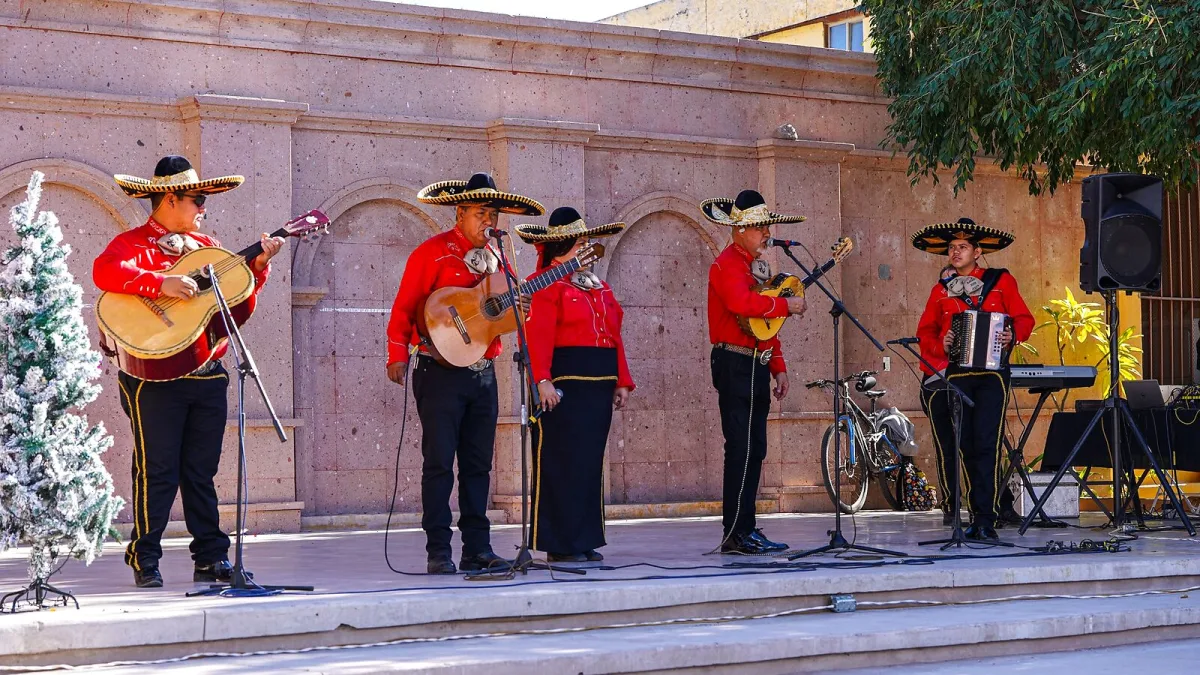
Call something "cumbia" and you could be describing half a dozen genuinely different sounds — a keyboard-heavy Mexican dance-hall hit, a guitar-led Peruvian jam from the 1970s, or a synth-drenched club track from a Buenos Aires producer. The rhythm underneath is shared; almost everything else about it isn't. Here's how the main branches actually differ, and what to listen for in each.
| Style | Region | Defining Trait |
|---|---|---|
| Sonidera | Mexico | Sound-system culture, spoken dedications, keyboard-led arrangements |
| Norteña | Mexico | Accordion at the centre, closer to the norteño band tradition |
| Chicha | Peru | Electric guitar as the lead melodic voice, Andean and psychedelic influence |
| Villera | Argentina | Street-level lyrics about working-class urban life |
| Santafesina | Argentina | A more melodic, romantic style predating villera |
| Digital/electro | Pan-regional | Traditional textures rebuilt with samplers and electronic production |
Sonidera: The Sound-System Style
Mexican cumbia sonidera grew directly out of sound-system culture — DJs, or "sonideros," playing at neighbourhood parties and dedicating songs to specific people over the microphone mid-track. Musically, it leans on keyboards and electric bass as much as anything traditionally Colombian, and its identity is as much about the event and the dedication culture around it as it is about any single arrangement style.
Norteña: Accordion First
Where sonidera leans electronic, the norteña branch of cumbia keeps the accordion front and centre, closer in spirit to the broader Mexican norteño band tradition it grew up alongside. It's the style you're most likely to hear if the accordion, rather than a keyboard hook, is doing the melodic heavy lifting.
Chicha: Peru's Electric Turn
Peruvian chicha, a branch of cumbia sometimes described using the related term amazónica for its more overtly Amazonian, psychedelic strand, made one decisive change: the electric guitar took over as the lead melodic instrument instead of the accordion. Emerging strongly among urban migrant communities from the late 1960s through the 1970s, it blended the underlying rhythm with Andean melodic sensibility and surf-rock-style guitar effects — a genuinely distinct sound rather than a regional cover version of the Colombian original.
Villera: The Street-Level Voice
Argentina's cumbia villera scene emerged around the turn of the millennium as something closer to reportage than romance — direct, unpolished lyrics about poverty, crime and working-class urban life, sung over a rhythm that everyone already recognised. It caused real controversy when it broke through precisely because it refused to prettify what it was describing.
Santafesina: The Other Argentine Branch
Easily confused with cumbia villera because both are Argentine, santafesina is actually the older, more melodic and romantic of the two, associated with Argentina's Santa Fe province and built around a gentler, more sentimental style than its street-level cousin's bluntness. If villera is the confrontational one, santafesina is the one that turned up to the wedding.
Digital and Electronic Takes
The newest branch isn't tied to one country at all. Producers working under labels like ZZK Records combine recognisable traditional markers — guacharaca scrapes, accordion phrases, percussion patterns — with samplers, drum machines and house or dub-influenced production. It's less a single scene than a shared production philosophy adopted by artists across several countries, all treating the rhythm as raw material for something new rather than a fixed inheritance to preserve unchanged.
Why the Distinctions Matter
Calling all of this one cumbia genre isn't wrong exactly, but it flattens a lot of real regional identity and history into a single word. Once you can place a recording into one of these branches, you'll start noticing which instrument is actually carrying the tune, and that tells you almost everything else about where it's from. For the people behind each branch, see our artists guide, and for the fuller backstory, our history piece and beginner's overview both fill in the wider context.





Comments