
Music Adviser UK covers music genres from rock, pop, jazz, and classical to electronic, folk, hip-hop, and beyond — with UK scene context for listeners and musicians alike.
- 64 topics
- 1,042 articles
Inside Music Genres
All 64 topicsThe 12 most-searched of 64 topics. The full index is at the foot of the page.

K Pop
Polished, performance-led pop with global influence, slick production and strong visual identity.
1 topic
Country Music
Country music combines storytelling lyrics, melodic hooks and acoustic-led band arrangements.
1 topic
Classical Music
Classical music spans composed repertoire for soloists, ensembles, choirs and orchestras.

Grunge
Grunge blends heavy guitars, raw vocals and dynamic songwriting for an intense, unpolished rock sound.
14 topics
Heavy Metal
Heavy metal combines powerful riffs, heavy drums and dramatic vocals for a loud, precise rock sound.
2 topics
Classic Rock
Classic rock covers enduring guitar-led songs, albums and artists that shaped modern rock culture.

House Music
House music delivers steady club rhythms, soulful grooves and adaptable electronic production for DJs and producers.

Hard Rock
Hard rock delivers loud riffs, strong drums and big choruses for powerful live and studio rock.

Punk Rock
Punk rock delivers fast tempos, bold riffs and an uncompromising live feel. Discover dependable gear for loud, immediate...

Classic
Classic is a broad discovery label for enduring recordings, standards and widely admired music.

Pop Music
Accessible, hook-led songs with polished production, strong vocals and broad mainstream appeal.
1 topic
Reggae Music
Reggae music is built on groove, bass and spacious rhythm. Shop gear for warm low end, echo-rich production and live per...
Articles on Music Genres
All news

The History of Funk Music
How rhythm took over from melody: the history of funk music, from its 1960s roots to its legacy in disco and hip-hop.


A Beginner's Guide to Idm Music
IDM music — Intelligent Dance Music — is one of electronic music's most technically elaborate genres. This guide explains what it is, how it developed and who made it.


The History of Classic
Classic rock's history is the story of how blues-driven guitar music became the dominant art form of the late 20th century. Here's how it happened.

Trip Hop for Newcomers: Where to Start
No history lesson, no subgenre chart — just three albums in the right order and a bit of encouragement to stick with it.


Boogie Subgenres, Explained
One word, four genuinely different genres — here's a clear map of how boogie splits, and why it keeps causing mix-ups.

A Beginner's Guide to Dubstep
What dubstep actually is, how it works, and where to start listening — the plain-English guide for anyone new to the genre.
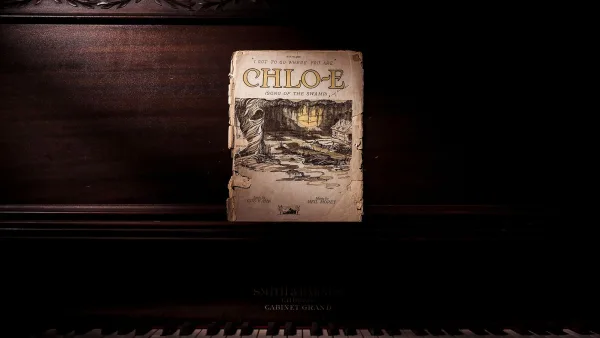

The History of Ragtime
How a sound built in Black communities conquered sheet music, faded through the jazz age, then came roaring back decades later.

A Beginner's Guide to Progressive Metal
Progressive metal rewards patience and repeated listening. Here's what it is, who the essential artists are, and where to start.

Acid House for Newcomers: Where to Start
A practical way in, not a history lecture — your first three tracks, what to actually listen for, and a sensible path for exploring further from there.

Grindcore Subgenres, Explained
Grindcore splintered early. Here's what deathgrind, goregrind, powerviolence and the rest actually mean.


A Beginner's Guide to Boogie
One pattern, one form, four weeks — here's the reassuring, no-nonsense route into playing boogie for the very first time.

Essential Rock Music Albums Explained
Rock music albums are complete artistic statements that showcase everything the form can achieve. From 'Sgt. Pepper's' to 'Nevermind', these essential albums changed music history.

Essential Groove Metal Albums Explained
The essential albums in the groove metal tradition span the early 1990s, with Pantera, Sepultura, Machine Head and White Zombie producing the definitive recordings — this guide covers them all.

The History of Disco Music


A Beginner's Guide to Psytrance
The kick hits like a second heartbeat and the synths never sit still. Here's what this genre actually is, and what to listen for once you know.

A Beginner's Guide to Ska Music
Faster than reggae, older than punk's version of it, and horn-led from the start. Here's what this genre actually is and where its revivals came from.

The History of Grime
Grime didn't arrive fully formed. Here's how it moved from pirate-radio frequencies in east London to a Mercury Prize, a quiet decade, and a full-blown revival.

The Best Dream Pop Artists to Know
From the Cocteau Twins' foundational ecstasy to Beach House's contemporary dominance, these are the artists who define the genre.

The Best Coldwave Songs Right Now
Forget right now — these are the coldwave tracks that have genuinely aged better than almost anything else from their decade.

The Best Progressive Metal Songs Right Now
The best way to understand any genre is through its songs. These are the tracks that most effectively demonstrate what progressive metal does and why it matters.

The History of Thrash Metal
Six frantic years turned a bedroom hobby into a genre that redrew heavy music. Here's how thrash metal actually happened, decade by decade.


The Best Trip Hop Artists to Know
Beyond the three famous names, trip hop has a wider cast worth knowing. Here's who they are, what set them apart, and which record to hear first.


Electronic Music Subgenres, Explained
No waffle, just the plain version — house, techno, trance, drum and bass, ambient, synth-pop and IDM, sorted properly.


Essential Drum and Bass Albums Explained
Drum and bass was built for the 12-inch single, which makes the albums that broke that mould genuinely worth understanding on their own terms.

What Music Genres Covers
Music is an endlessly varied art form, and music genres provide the framework through which listeners discover new sounds and musicians find their creative community. This section of Music Adviser UK explores the full breadth of recorded and performed music, from the most familiar chart styles to the more specialist corners of the UK scene.
Major Styles and Their UK Roots
From the blues-inflected riffs of British rock to the synth-pop of the 1980s and the drum and bass scenes that emerged from London in the 1990s, the UK has shaped popular music in ways that continue to influence artists worldwide. Pop, rock, jazz, classical, folk, hip-hop, electronic, country, metal, and R&B each carry their own histories, communities, and traditions, and this section covers all of them.
How Styles Are Organised
Rather than rigid boxes, genres are best understood as useful descriptive tools. A style is defined by its musical features — rhythm, harmony, instrumentation, and vocal approach — as well as by its cultural context: the scenes, labels, venues, and eras that gave it shape. Music Adviser UK treats each area of music as a living tradition with subgenres, regional variations, and ongoing development, rather than a fixed category.
Where Influences Cross Over
Some of the most interesting music sits at the edges between established styles. Indie folk, jazz-funk, grime, metalcore, and country pop are all products of creative boundary-crossing, and this section gives proper space to hybrid sounds and artists who refuse straightforward classification. Whether you are drawn to a single tradition or curious about where different influences meet, you will find relevant coverage here.
Content for Musicians and Listeners
This section covers the full range of musical styles from two angles: for listeners, we offer style guides, essential listening recommendations, artist spotlights, and UK scene coverage; for musicians, we discuss songwriting approaches, production techniques, instrument choices, and the business of operating within — or across — a particular genre. Whether you play in a band, produce electronic music, or simply want to understand what you are hearing, this is your starting point.


