


Drum and Bass article
Essential Drum and Bass Albums Explained
Drum and bass was built for the 12-inch single, which makes the albums that broke that mould genuinely worth understanding on their own terms.
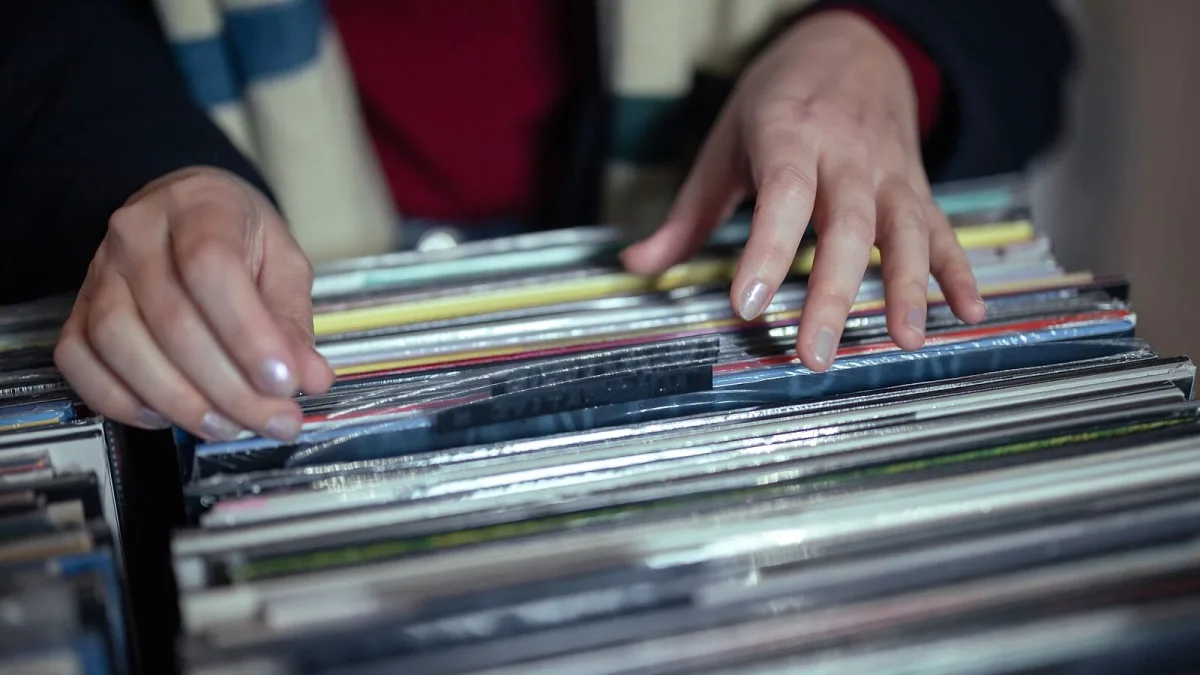
Most drum and bass was built for the 12-inch single and the pirate radio slot, not the album format — which makes the records that broke that mould genuinely worth understanding, not just streaming in the background. Here's what a handful of essential albums actually did, technically and culturally, and why each one still matters.
Timeless — Goldie (1995)
Released on Goldie's own label Metalheadz, Timeless is widely treated as the record that proved the genre could sustain album-length ambition. Its title track alone runs well past twenty minutes, weaving jungle's chopped breakbeats through orchestral strings and jazz-inflected changes. Before this record, most listeners outside the scene knew DnB purely as club music; Timeless made the case that it could also be a serious listening experience in its own right.
New Forms — Roni Size / Reprazent (1997)
Two years later, Bristol producer Roni Size and his collective Reprazent went a step further, winning the 1997 Mercury Prize — a genuinely significant crossover moment that put the genre in front of an audience who'd otherwise never have encountered it. New Forms pulled in live bass, jazz phrasing and soulful vocals alongside the expected breakbeats, and its success helped legitimise the genre in the eyes of the wider music press.
Modus Operandi — Photek (1997)
Where Goldie and Roni Size reached outward toward orchestration and live instrumentation, Photek went the other way: precise, minimal, almost forensic in its editing. Modus Operandi is built on sparse, meticulously programmed breakbeats and cinematic atmosphere rather than big hooks, and it remains a touchstone for producers who care about the technical side of breakbeat editing.
Logical Progression — LTJ Bukem (1996)
Rather than a conventional studio album, Logical Progression is a mix compilation released on LTJ Bukem's label Good Looking Records — but its influence on the genre's atmospheric, jazz- and soul-inflected "intelligent" strand is hard to overstate. It's less about individual standout tracks and more about a mood: spacious, warm, and a world away from the darker techstep that was rising alongside it at the time.
Hold Your Colour — Pendulum (2005)
By the mid-2000s, DnB was ready for a rock-adjacent, festival-scale reinvention, and Pendulum's debut album delivered exactly that. Hold Your Colour leaned into aggressive guitars, big vocal hooks and arena-ready production without losing the genre's rhythmic backbone, and it introduced a generation of rock and metal fans to breakbeats and sub-bass who'd never gone looking for either. For more on the artists who followed this crossover path, our guide to the essential DnB artists picks up the story.
Netsky — Netsky (2010)
Netsky's self-titled debut, released on Hospital Records, is a good marker of where the genre's liquid, melodic wing had arrived by 2010: warm synths, clean vocal features and a lightness of touch that made the album genuinely accessible to listeners who found earlier, darker DnB intimidating. It's a fair entry point if the albums above sound heavier than what you're after.
How to Actually Listen to These Today
| Album | Best approach |
|---|---|
| Timeless | Play the title track in full, ideally uninterrupted — it's built as one long arc |
| New Forms | Treat it like a jazz record with breakbeats; don't skip ahead |
| Modus Operandi | Good headphones matter here — the detail is in the edits |
| Logical Progression | Put it on as a continuous mix, not a track-by-track playlist |
| Hold Your Colour | Fine as a loud, energetic background listen |
| Netsky | A good place to start if you find the others too intense |
Where These Albums Fit in the Genre's History
Each of these records lines up with a specific chapter in the genre's development, from jungle's breakbeat roots through the mid-90s "intelligent" and experimental split to the 2000s mainstream crossover. Our history of the genre covers that timeline properly, and our breakdown of DnB subgenres explains the styles each album represents in more depth.
The Bottom Line
None of these albums sound remotely alike, and that's rather the point — between them, they map out just how far drum and bass has stretched from a handful of chopped-up breakbeats. Start with whichever one matches the mood you're after, not the one that's "supposed" to come first.





Comments