


Ska Music article
A Beginner's Guide to Ska Music
Faster than reggae, older than punk's version of it, and horn-led from the start. Here's what this genre actually is and where its revivals came from.
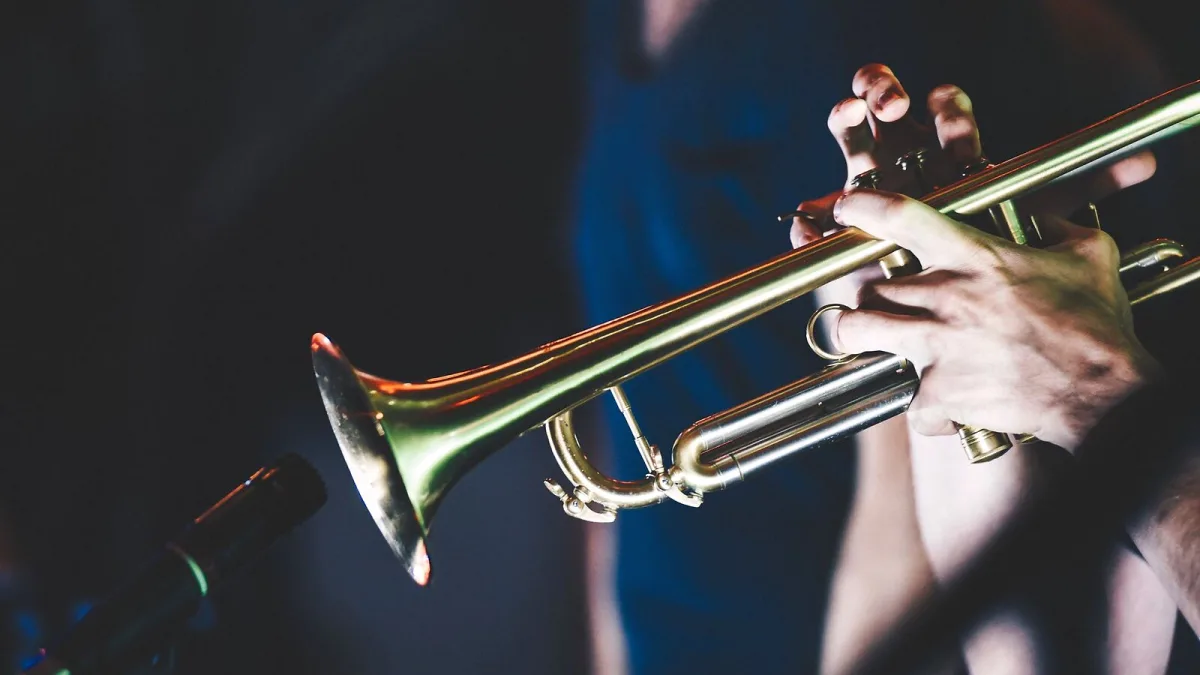
Ska is the sound of a horn section trying to outrun a guitar, and somehow both winning. It's faster and brighter than reggae, older than punk's borrowed version of it, and it has reinvented itself at least three times without ever really disappearing. Here's what it actually is, how it works, and where its two big revivals came from.
What Ska Actually Is
It emerged in Jamaica in the late 1950s, becoming the island's dominant popular style in the early 1960s. It grew out of mento and wider Caribbean tradition, mixed with American rhythm and blues, jazz and swing that Jamaican musicians picked up from radio broadcasts and visiting players. The result was something genuinely new: brisk, horn-driven, and built for dancing.
It arrived at a significant moment, too — Jamaica gained independence from Britain on 6 August 1962, and this newly confident, homegrown sound became something close to a soundtrack for that period.
The Sound: Walking Bass, Skank and Horns
The Bass
Where reggae's bass often sits back and holds long notes, this one usually keeps moving. A walking bass line travels actively through the chord changes rather than repeating a simple root pattern, giving the music its forward motion.
The Skank
Just like in reggae, guitar or piano plays short, muted chords on the off-beat. Here, that skank tends to sit at a brisker tempo, giving it a lighter, more urgent feel than reggae's more relaxed version of the same idea.
The Horns
Trumpet, trombone and saxophone are central to traditional ska in a way they generally aren't in reggae. Horns state melodies, answer the vocal line, punch out short rhythmic hits and trade phrases in a distinctly jazz-influenced way.
Three Waves, Roughly Speaking
Ska's history is usually described in three overlapping eras, and it's a useful map even if the exact borders are fuzzy:
- Original Jamaican ska — late 1950s to mid-1960s, before the sound slowed into rocksteady and, later, reggae.
- 2 Tone — late 1970s Britain, fusing Jamaican ska and reggae with punk's speed and multiracial politics.
- Third-wave ska — late 1980s onward, mostly in North America, blending it with punk, pop and alternative rock.
For the full timeline of how one era led into the next, the complete history goes through it properly.
Where It Led
By the mid-1960s, ska's fast, busy arrangements gave way to rocksteady's slower, more spacious groove, which in turn fed into reggae. That's not a straight line so much as a gradual handover, and none of the three genres stopped existing once the next one arrived. The offbeat guitar chord that defines all three — ska, rocksteady and reggae alike — is the clearest sign of the family resemblance.
The Voices Behind It
The Skatalites established much of ska's instrumental language in Jamaica, alongside singer, producer and sound-system figure Prince Buster and Laurel Aitken, often called the "Godfather of Ska." Desmond Dekker helped carry Jamaican music to a wider international audience. In Britain, The Specials, Madness, The Selecter and The Beat led the 2 Tone revival, while No Doubt, Sublime, Reel Big Fish and The Mighty Mighty Bosstones later brought it back into the mainstream through the American third wave. The artists behind all of it get covered in far more depth elsewhere.
Ready to Actually Listen?
Reading about offbeats only goes so far — the whole point of ska is how it feels on a dancefloor. If you want a genuine practical starting point, a newcomer's route in lays out an actual first step, and the essential albums point you towards specific records once the basics have clicked.


Comments