


Ska Music article
Ska Music for Newcomers: Where to Start
No theory required. Three records, two things to listen for, and a genuinely practical way into ska for anyone starting from zero.
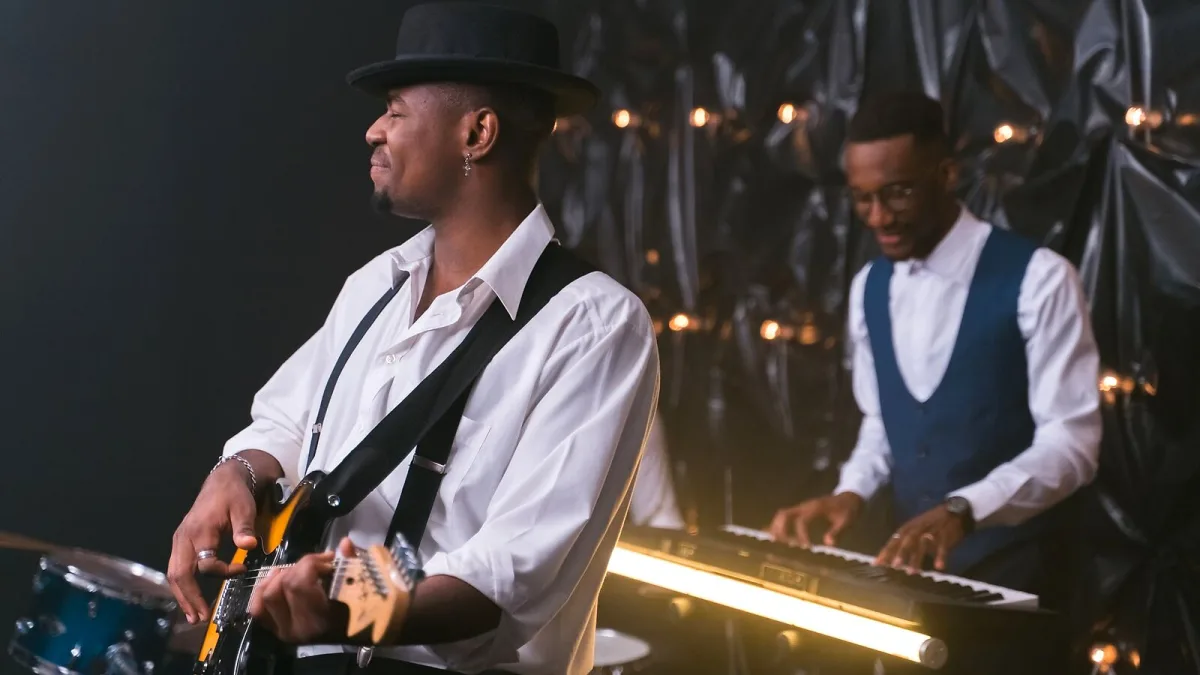
Here's the honest version: you don't need to know what a "walking bass" is to enjoy ska. You need a decent pair of speakers and about fifteen minutes. People ask me where to actually begin fairly often, so here's a genuine starting point, not another history lecture.
Press Play Before You Read Any Further
It's tempting to open with dates and band names. Resist that. The fastest way into ska is simply to put a record on and notice how much energy is coming out of the horns and the guitar together. Everything below is just there to help you notice what you're already hearing.
Three Ska Records to Start With
- The Skatalites — any of their early instrumentals. No vocals to distract you, just horns, bass and that offbeat guitar chord doing all the work.
- The Specials — their self-titled debut. The clearest, catchiest entry point into the British 2 Tone sound, and still genuinely fun decades later.
- No Doubt or Reel Big Fish — anything from their mid-1990s peak. Louder, punkier, and proof this rhythm survived a full ocean crossing and several decades intact.
For the full story behind any of those names, the best ska music artists to know is worth reading once you've got your bearings.
Two Things Worth Listening For
1. The Bass Never Sits Still
Try tuning your ear to just the bass for one song. It's rarely holding one note — it's usually walking, moving actively between chords rather than settling.
2. The Horns Are Doing the Talking
Trumpet, trombone and saxophone aren't decoration here. They often carry the main melody, answer the singer's lines, and punch out short rhythmic hits between phrases.
Don't Assume It's All One Thing
A common beginner mistake is judging the whole genre off one song. There are, roughly speaking, three different kinds of ska: the original Jamaican sound, the British 2 Tone revival, and the American third wave. All three share the same offbeat backbone but sound genuinely different from each other. If one style doesn't grab you straight away, try one of the other two before deciding it isn't for you.
A Few Honest Tips
- Skip the purity arguments. Fans can get territorial about which era "counts." Ignore it and listen to whatever actually moves you.
- Watch a live clip if you can. This is dance music first, and it makes far more sense once you see a horn section actually moving together.
- Don't overthink the offbeat. You'll feel it faster than you'll understand it on paper.
Where to Go From Here
Once the basics click, there's a natural next step in a few directions. For the deeper backstory, the history of ska music covers how one era led into the next, and ska music subgenres, explained lays out exactly how the three eras differ. If you want specific records rather than general advice, essential ska music albums, explained is the natural next stop.
Just Start
Put one of the three records above on tonight, focus on the bass for a minute, then let the horns take over. That will teach you more about ska than any guide, including this one.





Comments