


Ska Music roundup
The Best Ska Music Artists to Know
No pretending it's one scene. The Jamaican originators, the 2 Tone generation and the American third wave, laid out honestly.
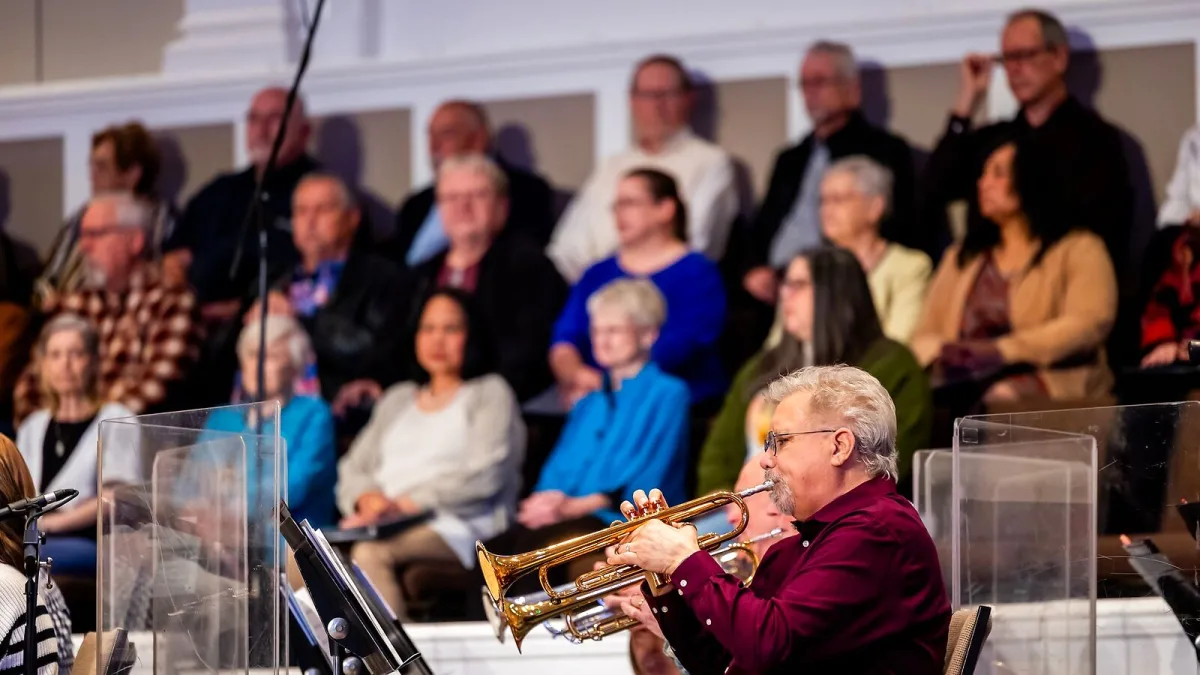
Three generations of bands have taken this rhythm and made it their own, and pretending it's just one scene does a disservice to all of them. Here's the honest rundown of the ska artists who actually matter — Jamaican originators, British revivalists and the American third wave — and why each one earns its place.
The Jamaican Originators
The Skatalites did more than almost anyone to establish the genre's instrumental language — their horn arrangements and rhythm-section playing became the template everyone after them worked from. Prince Buster, a singer, producer and sound-system operator, put out some of the defining early Jamaican recordings, while Laurel Aitken earned the nickname "Godfather of Ska" across both Jamaica and Britain.
Desmond Dekker deserves real credit too — he carried Jamaican music to an international audience at a point when very few Caribbean artists were reaching listeners outside the region. Behind the scenes, Coxsone Dodd at Studio One and Duke Reid at Treasure Isle gave dozens of these artists somewhere to actually record.
A few of the ska artists above, laid out by era:
| Artist | Era | Known For |
|---|---|---|
| The Skatalites | Original Jamaican | Defining instrumental arrangements |
| Prince Buster | Original Jamaican | Singer, producer, sound-system figure |
| Laurel Aitken | Original Jamaican | "Godfather of Ska" |
| The Specials | 2 Tone | Leading the British revival |
| No Doubt | Third wave | Bringing it back into the mainstream |
The 2 Tone Generation
The Specials led the late-1970s British revival, formed around Jerry Dammers, who also founded 2 Tone Records, the label that gave the whole movement its name. Madness brought a cheekier, pop-facing energy to the same scene, while The Selecter and The Beat (known as The English Beat in North America) rounded out its front rank. Bad Manners and The Bodysnatchers — a rare all-female line-up among these ska artists — also mattered here, even if they get mentioned less often. This was never just a musical movement, either — multiracial bands and audiences, and a strong anti-racist streak, were part of the point from the start.
The Third Wave: America Takes Over
By the late 1980s and through the 1990s, a different set of bands picked the sound back up, mostly in the United States, and bent it towards punk, pop and alternative rock in varying proportions. The Mighty Mighty Bosstones, No Doubt, Sublime, Reel Big Fish, Less Than Jake, Fishbone, Operation Ivy, Rancid and Streetlight Manifesto all count here, though not one of them balances the mix the same way. Some lean horn-heavy and dance-focused; others use the offbeat rhythm as just one ingredient inside a much louder punk record. Whichever camp they fall into, these ska artists reintroduced the sound to an audience that had mostly missed both Jamaica and 2 Tone the first time round.
Why the Labels Matter
Trojan Records deserves a mention on its own — the British label was central to circulating Jamaican recordings across the 1960s and 1970s, long before 2 Tone existed, and its Tighten Up compilation series remains a genuinely useful way into the original Jamaican catalogue. For a closer look at specific records rather than names, essential ska music albums, explained picks up where this list leaves off.
Not All the Same Genre, Really
Here's the thing worth being honest about: an Operation Ivy record and a Skatalites instrumental have almost nothing in common except that offbeat guitar chord underneath everything. Lumping three generations of very different ska artists under one label flattens what actually makes each era worth hearing on its own terms. If you want that broken down properly, ska music subgenres, explained does exactly that.
Where to Start
If none of these names mean anything yet, that's fine — start with The Specials for the most accessible 2 Tone record, or The Skatalites if you want the original sound with no vocals to distract you. Ska music for newcomers: where to start narrows it down further if you're coming to any of this completely cold.




Comments