
Ragtime is a syncopated piano style that helped shape jazz and remains popular with vintage-minded musicians.
- 7 articles
- Music Genres (General)
Articles on Ragtime
All news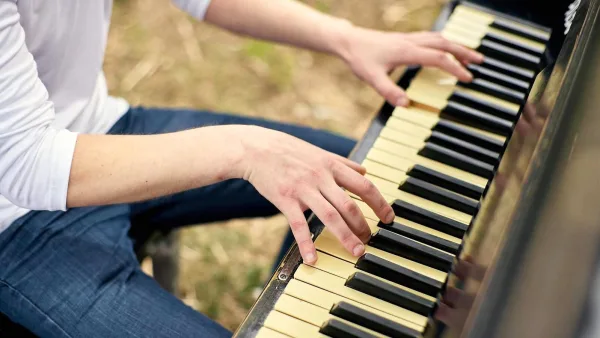

The Best Ragtime Artists to Know
Scott Joplin isn't the whole story. The ragtime composers who built the genre alongside him, and why they deserve to be named just as often.
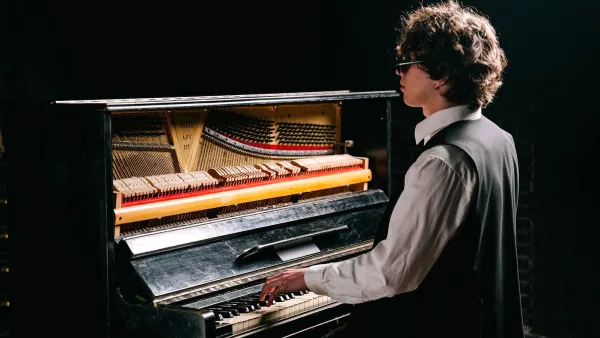

Ragtime for Newcomers: Where to Start
No music degree required. A warm, honest on-ramp to ragtime: three pieces to start with, what to listen for, and where to find real recordings.
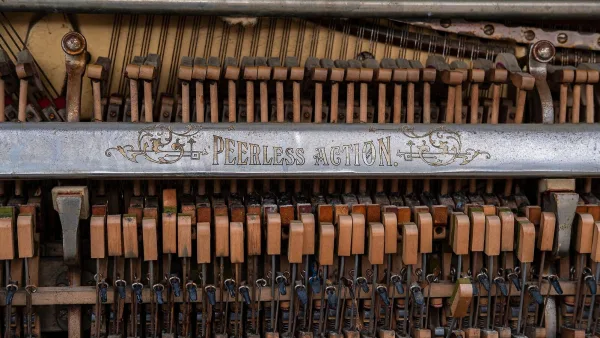

Ragtime Subgenres, Explained
Ragtime didn't arrive fully formed and didn't stay still afterward. What came before it, what sat alongside it, and what it turned into.


Essential Ragtime Albums Explained
Ragtime predates the album format, so here's what 'essential albums' actually means: the archival and revival collections genuinely worth hearing.
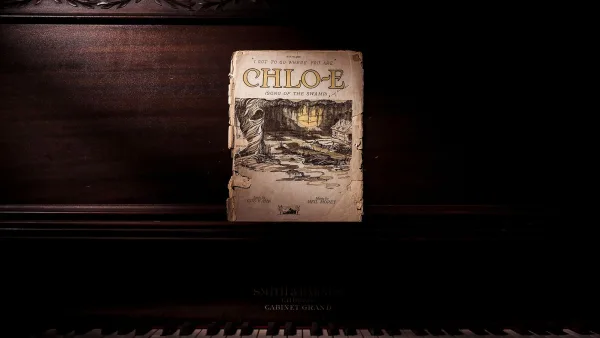

The History of Ragtime
How a sound built in Black communities conquered sheet music, faded through the jazz age, then came roaring back decades later.
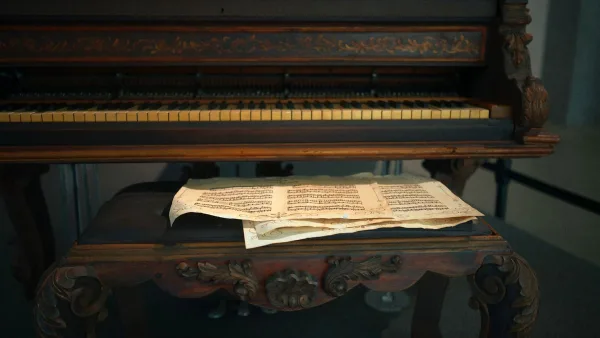

The Best Ragtime Songs Right Now
Seven ragtime pieces that have stayed genuinely alive and defining for over a century, from Maple Leaf Rag to the underplayed Harlem Rag.
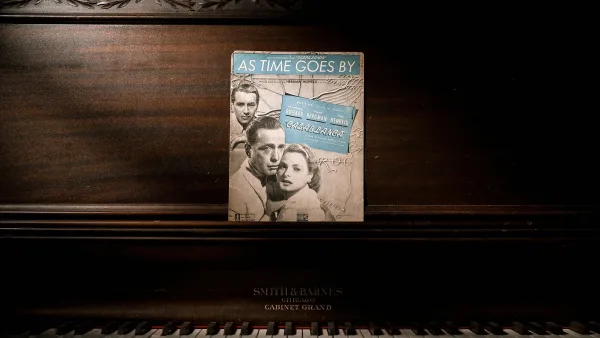

A Beginner's Guide to Ragtime
Steady bass, syncopated melody: a clear, unhurried explanation of what ragtime actually is, how it's built, and where it came from.

Ragtime and syncopated piano style
Ragtime is an early popular music style defined by syncopated rhythms, steady left-hand accompaniment and bright melodic phrasing. Though rooted in the late nineteenth and early twentieth centuries, ragtime continues to influence jazz, piano repertoire and vintage-style performance in the UK.
Piano technique in ragtime
Ragtime places strong demands on timing, articulation and independence between hands. Pianists exploring ragtime often look for responsive keyboards, acoustic pianos, sheet music and practice tools that support rhythmic accuracy and clean phrasing.
Why ragtime still matters
Ragtime remains a useful category for musicians interested in historic American styles and the development of modern popular music. It also provides a bridge between classical technique, jazz language and ragtime’s distinctive, upbeat character.

Tango
Tango is a dramatic dance music style with strong rhythm, expressive phrasing and a distinctive emotional intensity.

Barbershop
Barbershop is a close-harmony vocal style with bright chords, precise ensemble blend and a classic a cappella sound.
Samba
Brazilian rhythm-led genre with rich percussion, syncopation and strong live energy for ensembles and carnival-style per...

Gothic
Gothic music spans dark, dramatic styles across rock, metal and alternative scenes. It links music, mood and visual iden...

Avant Garde
Avant garde music pushes beyond familiar styles with experimental sounds, unusual structures and sonic risk-taking.

Glitch
Glitch is an experimental electronic genre built from clicks, skips and digital artefacts. It suits adventurous producer...

Calypso
Calypso is a rhythmic Caribbean style built on storytelling, vocals and lively percussion with strong cultural roots.

Phonk
Phonk is a dark, sample-led style built on heavy bass, chopped textures and gritty beats.

Americana
Americana blends folk, country, blues and roots rock into storytelling-led music with an acoustic, lived-in feel.
Meditation Music
Calm, slow-moving music for mindfulness, relaxation, yoga and peaceful listening environments.

Minimalism
Minimalism uses repetition, gradual change and sparse materials to create focused contemporary music.

Symphony
Symphony covers large-scale orchestral works with structured movements, rich instrumentation and formal classical writin...


