


Ragtime article
A Beginner's Guide to Ragtime
Steady bass, syncopated melody: a clear, unhurried explanation of what ragtime actually is, how it's built, and where it came from.
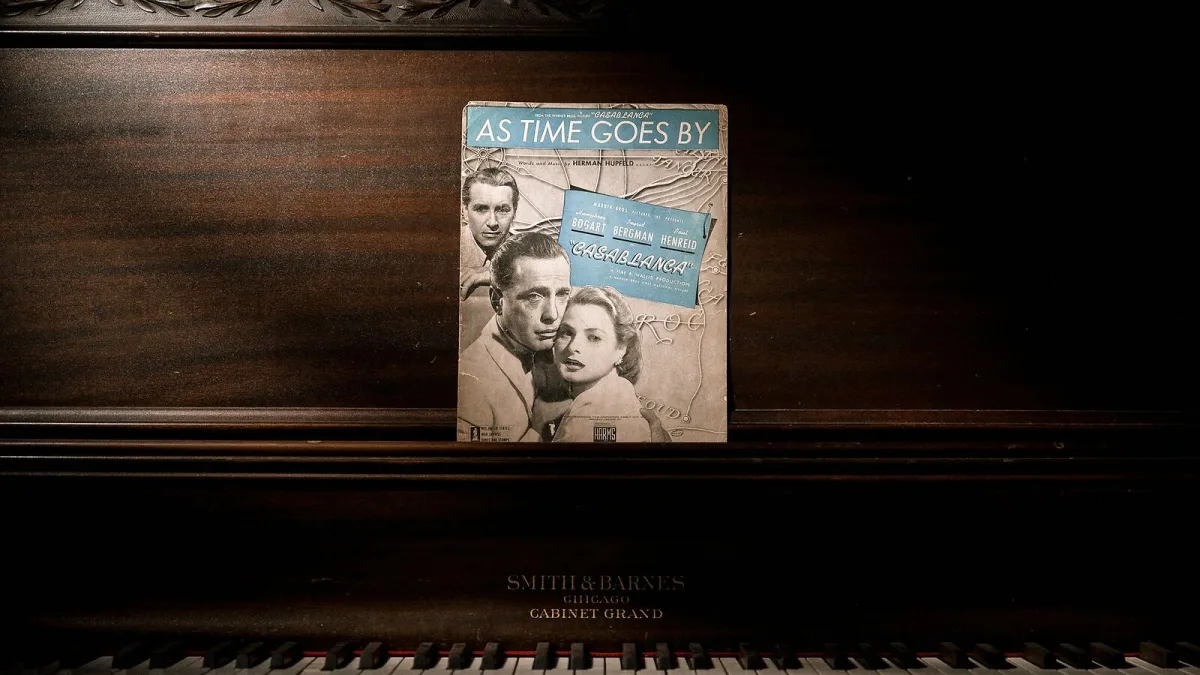
Sit down at any explanation of ragtime and you'll hear the same two words again and again: steady and syncopated. That contrast — a rock-solid left hand against a melody that keeps landing just off the beat — is the whole trick behind ragtime, and once your ear catches it, you'll never miss it again. Let's go through what ragtime actually is, piece by piece, at a pace that doesn't rush you.
The Core Idea: Two Hands, Two Jobs
In classic piano writing of this kind, the left hand keeps a rhythmically steady, march-like pulse — typically alternating a low bass note with a chord in the middle of the keyboard, a pattern often nicknamed “boom-chick.” The right hand, meanwhile, plays a melody whose accents fall on the offbeats, between the pulses your foot would naturally tap. That deliberate displacement is called syncopation, and it's the single defining feature of ragtime.
It's worth saying plainly: this isn't the same as a swung, jazz-style feel. The underlying beat stays even and steady; it's the melody's placement, not its swing, that creates the animated, “ragged” effect the name refers to.
How a Rag Is Built
Most classic ragtime is written in duple meter — usually 2/4, two main beats per bar — and are built from three or four contrasting sections called strains, each typically 16 or 32 bars long. A common outline runs roughly AABBACCDD: an opening theme repeated, a contrasting second strain, a return to the opening idea, then two further contrasting sections, often after a shift to a related key. It's a useful map for a first listen, not a rigid formula — plenty of pieces bend it.
Where Ragtime Came From
Ragtime grew out of African American musical communities in the late 19th-century United States, drawing on Black dance and social music, the cakewalk, and the popular march music of the day. It wasn't invented by one person; it developed across many overlapping local traditions before reaching a wider public through published sheet music in the mid-1890s. That publishing boom is a big part of why it spread so fast — a hit piece of sheet music could travel across the whole country, into homes that had never heard it performed live.
The Composer Every Explanation Starts With
Scott Joplin is the name you'll meet first, and for good reason: his tightly crafted, multi-strain compositions became the genre's standard reference point. “Maple Leaf Rag” is his best-known piece and one of the most influential works in American popular music; “The Entertainer” is the other you've almost certainly heard, even if you didn't know its name. But Joplin didn't work alone — composers like Tom Turpin, James Scott and Joseph Lamb were shaping the tradition alongside him, each with their own voice within the same basic form.
What Ragtime Led To
Ragtime's syncopated ideas and energetic keyboard writing fed directly into early jazz, though the two aren't interchangeable: a classic rag is a fixed, composed work, while jazz leans much further into improvisation. The left-hand technique also evolved into stride piano, which loosened the alternating bass-and-chord pattern into a more flexible accompaniment for popular songs. Following that thread is a good way to hear how one idea keeps reshaping itself across American piano music.
How to Actually Hear It
The quickest way to make all of this click is to listen rather than read. Put on a recording and try to follow just the left hand for a few bars — notice how mechanically even it stays, almost like a metronome with personality. Then shift your attention to the right hand and notice how often a note lands just before or just after where you'd expect it. Once you can hold both threads in your ear at once, you've genuinely understood the core idea, and everything else in this style builds outward from there.
The Bottom Line
Steady bass, syncopated melody, a handful of contrasting strains, and a handful of brilliant composers who turned it into a national phenomenon — that's the shape of the whole style in outline. For the fuller story of how it developed, our history of ragtime picks up where this leaves off, and our guide to its key artists introduces the people behind it in more depth. If you'd simply like a friendly place to start listening, our newcomer's listening guide is exactly that, and our look at its related styles and subgenres fills in the wider family.




Comments