


Ragtime article
The History of Ragtime
How a sound built in Black communities conquered sheet music, faded through the jazz age, then came roaring back decades later.
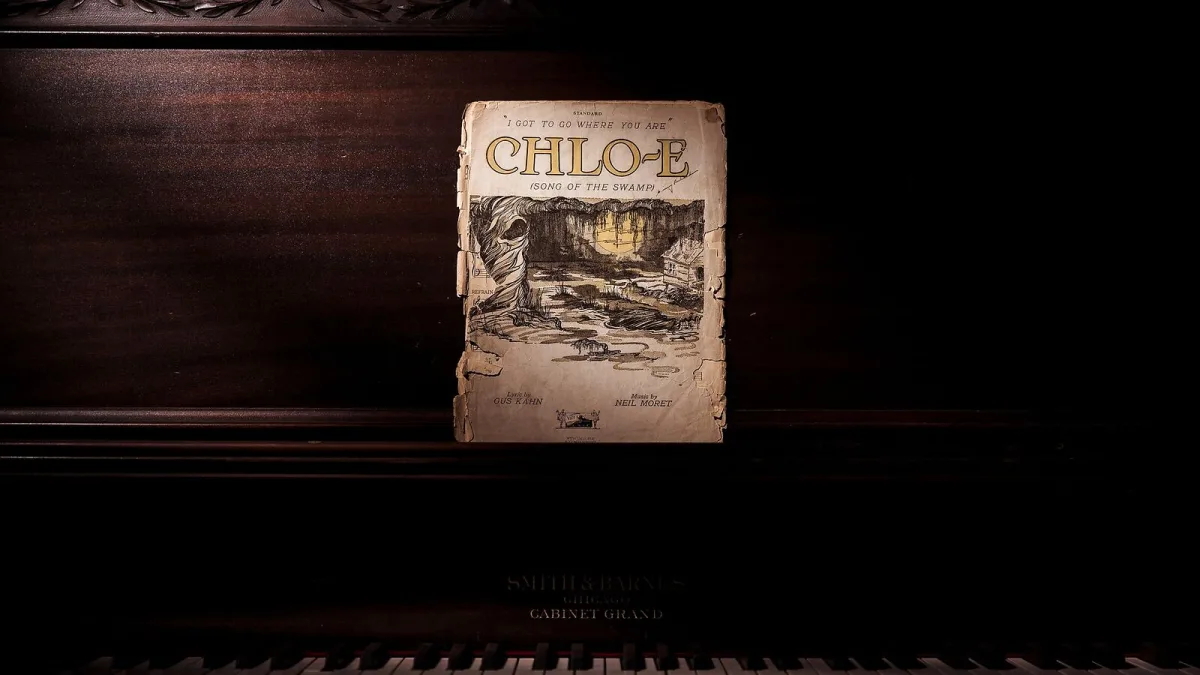
Before there was a single hit record, a single radio play or a single streaming chart, there was sheet music — and one of the first genuinely American sounds to conquer it via paper alone was ragtime. This is the story of how a style built in Black communities became a national craze, nearly vanished, then came roaring back decades later.
Built From Older Traditions, Not Invented Overnight
No single person invented ragtime. It developed across African American communities in the late 19th-century United States, pulling together threads that were already in the air: Black social and dance music, the cakewalk, and the popular march forms of the era. Its relationship with minstrel-era entertainment needs care here — minstrel shows popularised Black-derived musical ideas while also trading in racist caricature, and the music's roots developed within that unequal, often exploitative commercial environment rather than emerging from it cleanly.
The Sheet Music Explosion of the 1890s
What changed everything was publishing. Once a successful piece was printed and distributed as sheet music, it could travel far beyond the community, club or venue where it was first performed, straight into the parlours of amateur pianists across the country. That's the moment ragtime stopped being a regional practice and became a mass-market phenomenon — heard in theatres, sold in shops, and played badly and joyfully in thousands of front rooms.
1899: The Year Everything Shifted
Scott Joplin's Maple Leaf Rag, published in 1899, is the single work most historians point to as the moment ragtime found its definitive voice. Joplin wasn't working in isolation — composers including Tom Turpin, often credited as the first African American composer to publish a rag, and James Scott were shaping the same tradition — but Joplin's meticulous, multi-strain compositions became the reference point everyone else got measured against.
From Parlour Piano to Early Jazz
Ragtime's syncopated melodic writing and energetic keyboard textures fed directly into the jazz that followed, though the two were never simply the same thing: a classic rag is a fixed, composed piece, while jazz opened the door much wider to improvisation. Its left-hand accompaniment technique also evolved into stride piano, loosening that steady alternating bass-and-chord pattern into something more flexible for backing popular songs. Pianists like Jelly Roll Morton and Eubie Blake sit right on that bridge, carrying ideas from one style into the next.
The Long Quiet Patch
By the 1920s, popular taste had largely moved on to jazz and the newer dance-band sounds, and ragtime spent decades regarded mostly as a nostalgic curiosity rather than a living style. Scott Joplin himself died in 1917, having seen the peak of his commercial success but not the full extent of his eventual influence.
The Recording That Started the Revival
Interest returned in a genuinely dramatic way in the early 1970s, when Joplin's rags — reworked for the 1973 film The Sting — introduced the sound to an entirely new generation and sent it back up the popular consciousness. The film's arranged score went on to win major industry recognition, and suddenly decades-old sheet music was being rediscovered, republished and recorded all over again. Archival collections followed, including Smithsonian Folkways releases such as Ragtime Piano Revival and Ragtime Piano Originals, which preserve both the original-era recordings and the pianists who kept the tradition alive through the quiet years.
Preserved for Good
Joplin himself made piano rolls of his own playing roughly a year before his death, and those recordings were later selected for the Library of Congress's National Recording Registry — official recognition of just how historically significant this music turned out to be. What started as sheet music sold to amateur pianists is now archival heritage, still being reissued, still being studied, still genuinely worth hearing. That's a fairly rare arc for any popular music to complete: local practice, national craze, quiet decline, then formal recognition as something worth protecting for good.
Keep Reading
For the musical mechanics behind all this history, our beginner's guide to ragtime breaks down syncopation and structure in plain terms. Our guide to its key artists goes deeper on the individual composers named above, and our piece on related styles and subgenres traces the cakewalk-to-stride lineage in more detail.




Comments