


Ragtime article
Ragtime Subgenres, Explained
Ragtime didn't arrive fully formed and didn't stay still afterward. What came before it, what sat alongside it, and what it turned into.
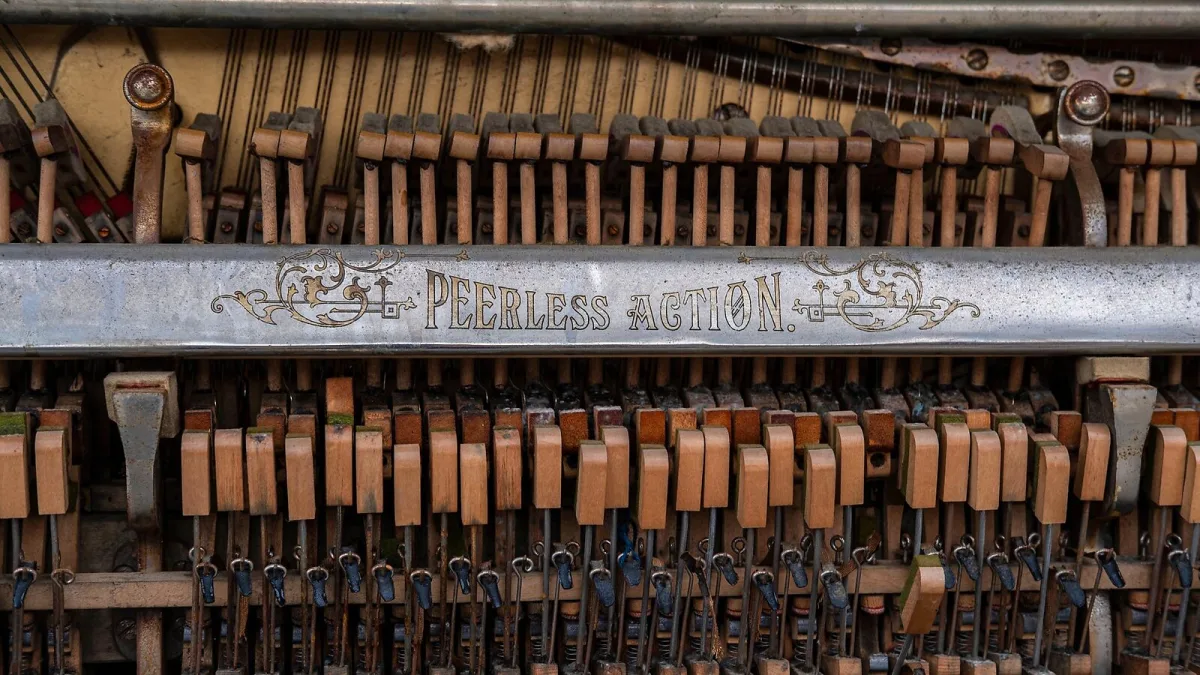
Call it a family tree rather than a strict taxonomy: ragtime didn't arrive fully formed, and it didn't stay still once it did. What follows is what actually came before it, what sits alongside it, and what it turned into once the piano stopped being the only place its ideas could live.
Cakewalk: The Dance That Came First
Before there was ragtime as a published musical style, there was the cakewalk — a strutting, high-stepping dance rooted in Black social tradition that carried its own syncopated rhythmic character. Composers drew directly on cakewalk rhythms when the piano style was taking shape, which is why you'll often see the two mentioned in the same breath in serious histories. Think of the cakewalk as one of the essential ingredients rather than an earlier version of the same dish.
Classic Rag: The Missouri School
This is the tradition most people mean when they say the word without qualification — the fully notated, carefully structured compositions associated with Scott Joplin, James Scott and Joseph Lamb, often linked to Missouri publishing houses of the 1890s and 1900s. It's built from multiple contrasting strains, usually in duple meter, and it's composed rather than improvised: what's written on the page is essentially what gets played.
Folk and Vernacular Ragtime: The Unwritten Half
Not everything from this era made it onto sheet music. A significant amount of playing happened in bars, parlours and dance halls without ever being formally notated or published, passed on by ear between musicians who never saw a royalty cheque for it. Because so little of this vernacular playing survives in documented form, it's genuinely harder to study than the classic published rag — but it almost certainly shaped the style at least as much as anything that made it into print.
Stride Piano: Where It Went Next
Stride grew directly out of ragtime's left-hand approach, taking that alternating bass-note-and-chord pattern and loosening it into something far more flexible. Where a classic rag holds its written form strictly, a stride pianist could use the same underlying technique to accompany a popular song, improvise more freely, or push tempo and virtuosity much further. Pianists like Eubie Blake and Jelly Roll Morton sit right on this transition, carrying the older technique into looser, more personal playing.
The March, Sitting Quietly Underneath All of It
It's easy to focus on the syncopated melody and forget the other half of the equation, but the steady, duple-meter pulse underneath every branch above owes a real debt to popular march music of the period. That march-derived structure — a clear, repeating pulse built for marching feet — is exactly what gave the syncopated melody something solid to push against. Without it, the whole "ragged" effect that gives ragtime its name simply wouldn't register the same way.
How the Family Actually Connects
| Style | Relationship to ragtime | Key trait |
|---|---|---|
| Cakewalk | Precursor | Syncopated dance rhythm, pre-dates published rags |
| Classic rag | The core tradition | Fully notated, multi-strain, composed |
| Folk/vernacular ragtime | Parallel, undocumented | Aurally transmitted, rarely published |
| Stride piano | Successor | Looser, more improvisational left-hand style |
What About "Novelty" Piano?
You'll sometimes see later, more virtuosic solo piano styles from the 1920s described as a further descendant of this family tree, built on faster tempos and more elaborate technical display. Reliable documentation on exactly how that later style relates to the classic tradition is thinner than for cakewalk, classic rag or stride, so it's worth treating any specific claims about it with a bit more caution than the four branches above, which rest on much firmer historical ground.
Why the Boundaries Blur
None of these categories has a hard edge. A pianist working in the classic tradition might have learned half their repertoire by ear from unwritten local playing; a stride player might still perform Joplin's own compositions note for note before improvising on something else entirely. Treat this family tree as a way of organising your listening, not a rulebook for arguing about where one style legally ends and another begins.
Keep Exploring
For the fundamentals behind all four branches, our beginner's guide to ragtime explains the core musical idea in plain terms. Our history of ragtime traces exactly how these styles followed one another chronologically, and our guide to key artists puts real names to the classic-rag and stride traditions described above.



Comments