


Trip Hop article
Trip Hop for Newcomers: Where to Start
No history lesson, no subgenre chart — just three albums in the right order and a bit of encouragement to stick with it.
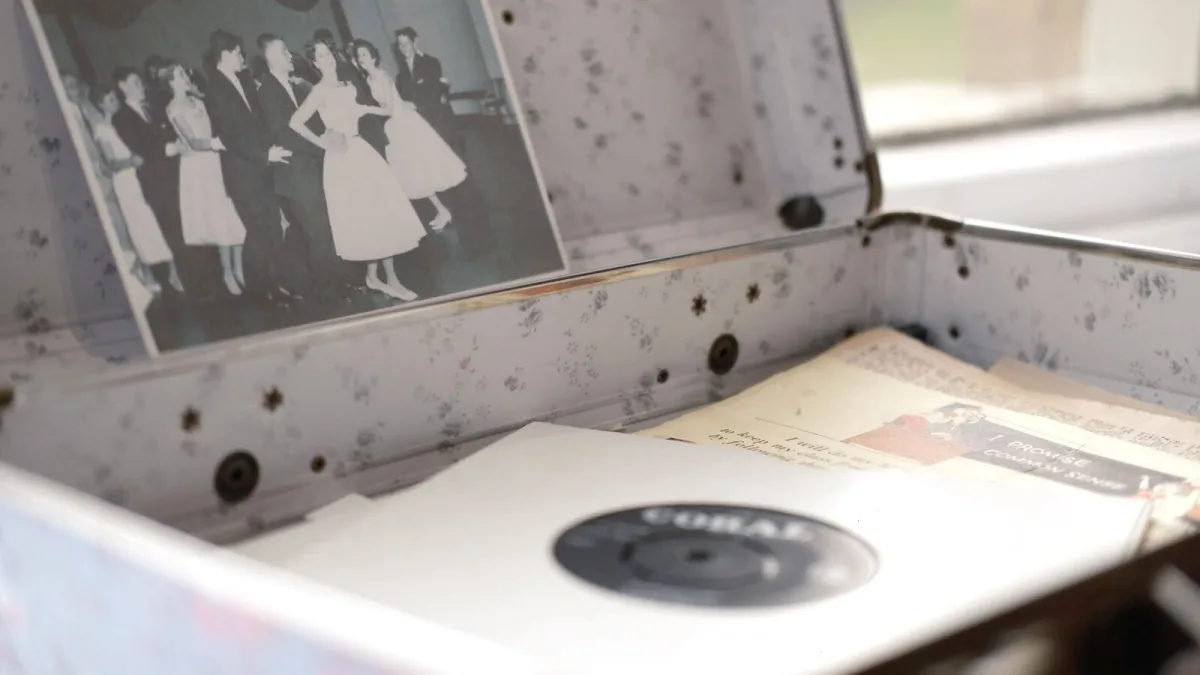
Right, let's get you started with trip hop properly. Not with a history lesson, not with a list of subgenres — just three records, in the right order, and a bit of encouragement to stick with it if the first one doesn't grab you straight away. This is genuinely a genre that rewards a bit of patience.
Start Here: Massive Attack's Blue Lines
This is the friendliest door in. Released in 1991, it's soulful, warm and built around a rotating cast of singers rather than one voice doing everything, including reggae vocalist Horace Andy and soul singer Shara Nelson. Try the track "Unfinished Sympathy" first — strings, groove, no hard edges to get past. If that lands for you, the rest of the album will too.
Second Stop: Portishead's Dummy
Once Blue Lines feels comfortable, move to something colder. Dummy, from 1994, leans into cinematic samples, turntable scratching and Beth Gibbons's fragile, unguarded vocals. Don't worry if it feels a bit more unsettling than the first record — that's the point, and it's meant to sit with you rather than pass by pleasantly in the background.
Give Yourself Permission to Take It Slow
Here's the bit nobody tells beginners: you're not meant to "get" this music on the first listen the way you might a pop song. It's built to reveal itself gradually — a bassline you notice on the third play, a sample you finally place on the fifth. If a track feels a bit flat the first time, that's completely normal. Give it another go before deciding it's not for you.
Third Stop: Tricky's Maxinquaye
Now you're ready for the strangest of the three. Maxinquaye, from 1995, is fractured and uneasy on purpose — whispered and rapped vocals from Tricky himself, paired with Martina Topley-Bird's unconventional delivery, over beats that never quite settle. It's a bigger ask than the first two records, which is exactly why it's third on this list rather than first.
A Common Beginner Mistake
The biggest misstep newcomers make is judging the whole genre from one famous track — usually Massive Attack's "Teardrop," which everyone half-knows from adverts and TV. It's a lovely song, but it's also one of the smoothest, most accessible moments in the whole story. Hearing it and assuming the rest sounds the same means missing Portishead's chill and Tricky's discomfort entirely, which is most of the point.
A Few Things to Notice As You Listen
You don't need to study trip hop like a textbook, but knowing what to half-listen for helps it click faster:
- A slow, heavy drumbeat that often feels a touch behind the rhythm rather than perfectly on it.
- Bass that sits low and stays there, rather than disappearing between verses.
- Little fragments of old records — a horn stab, a vocal snippet, a bit of film dialogue — tucked into the mix.
- Vocals that feel close and intimate rather than big and polished.
Spot two or three of these on a first listen and you're already hearing what makes trip hop distinctive rather than just "moody".
What If None of This Clicks Straight Away?
That's fine, and it's common. Try listening somewhere quiet, ideally with headphones and the lights down rather than as background music while you're doing something else — this isn't really party music, and it doesn't compete well with distractions. If it still doesn't land after a proper, focused listen to all three albums above, that's a completely reasonable place to stop. Not every genre suits every listener, and there's no rule saying this one has to be yours.
Once You're Hooked
If you've made it through all three records and want more, our essential albums guide adds a fourth record and fills in the detail on each one, and our pick of the best individual songs is a good way to sample more artists quickly without committing to whole albums. When you're ready for the background — where the sound came from and why it's called what it's called — the history of the genre and our wider beginner's overview are both there waiting.
The Bottom Line
Three albums, in this order, with a bit of patience between them: that's genuinely all you need to know whether trip hop is for you. Don't rush it, don't background it, and don't judge the whole genre on one song you already knew before you started.




Comments