


Trip Hop article
Essential Trip Hop Albums Explained
Four records explain almost everything about this genre. Here's what makes each one essential, and the order to hear them in.
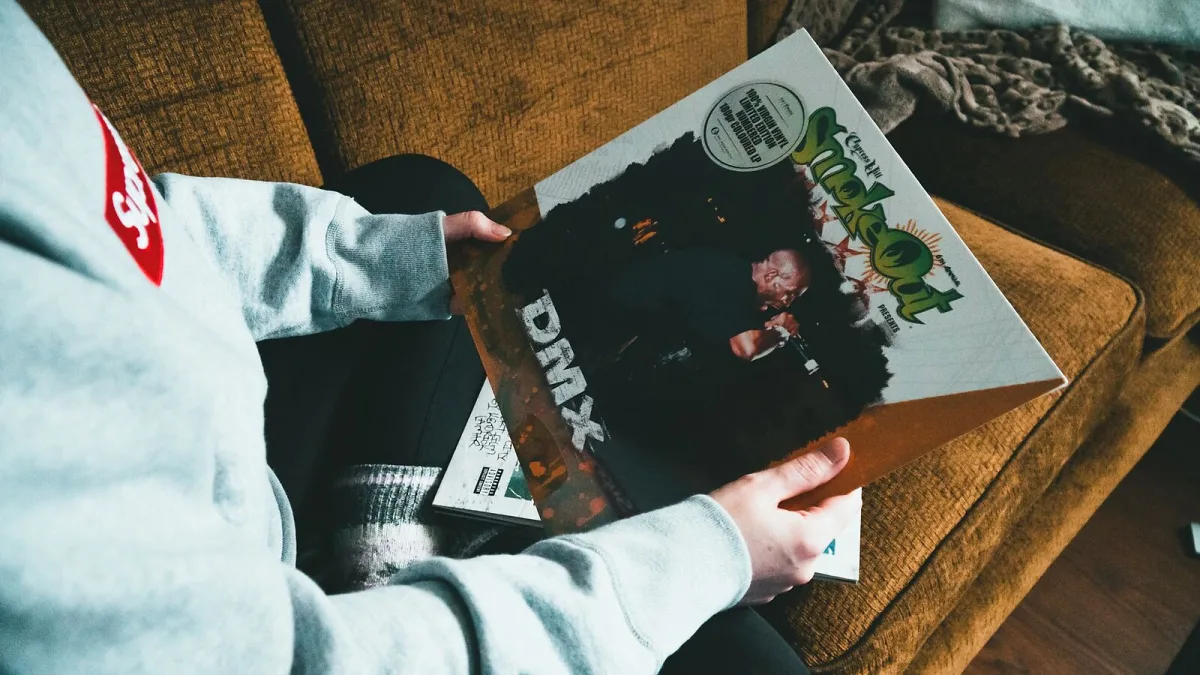
Some genres can be understood through a mood board or a Wikipedia paragraph. Trip hop really can't — you have to sit with the records themselves. These four albums, in the order they arrived, tell you almost everything worth knowing about how the sound was built, stretched and eventually left behind by its own makers.
Massive Attack — Blue Lines (1991)
This is where the whole story starts, even though nobody had a name for the sound yet. Built around slow, soulful grooves and a rotating cast of vocalists rather than one frontperson, Blue Lines pulled reggae singer Horace Andy and soul vocalist Shara Nelson into the same frame as sample-built hip-hop production. "Unfinished Sympathy" is the obvious way in — an orchestral, string-laden track built over a restrained electronic groove that still sounds enormous. "Safe from Harm" shows the record's other side: heavier, more bass-led, closer to dub in its patience and weight.
Portishead — Dummy (1994)
If Blue Lines is warm, Dummy is deliberately cold. Geoff Barrow and Adrian Utley built a sound around turntable scratching, sampled breaks and vintage spy-film atmosphere, and Beth Gibbons's vocals sit right at the front of it — fragile, unguarded and often genuinely unsettling. "Sour Times" is the record's most cinematic moment, all dramatic samples and tense phrasing; "Roads" strips everything back to a sparse arrangement that leans entirely on the emotion in Gibbons's voice. This is the album most responsible for carrying the sound beyond Bristol and into a much wider audience.
Tricky — Maxinquaye (1995)
Where the first two records still resemble songs in a conventional sense, Maxinquaye deliberately doesn't. Tricky's whispered, rapped and heavily processed vocals sit alongside Martina Topley-Bird's intimate, off-kilter delivery over fractured, claustrophobic beats that rarely settle into anything predictable. "Overcome" is the clearest example — rhythmically uneasy, emotionally raw, built more on tension than melody. It's the least accessible of the four records here on a first listen, and arguably the most rewarding on repeat plays.
DJ Shadow — Endtroducing..... (1996)
This one didn't come out of Bristol at all — DJ Shadow made it in California, built almost entirely from sampled records with barely a live instrument in earshot. "Building Steam with a Grain of Salt" is the best introduction to how the album works: dense, layered sample collage that never feels like a patchwork, but a genuinely composed piece of music. It proved that an instrumental record, with no singer at the centre at all, could hold the same emotional weight as the vocal-led Bristol albums.
Two More Worth Your Time
Once you've heard the four records above, two further albums round out the picture nicely:
- Massive Attack — Mezzanine (1998): darker and more guitar-driven than Blue Lines, including the widely licensed "Teardrop" — melodic and textural, and probably the single most recognisable track connected to this whole story.
- Portishead — Third (2008): not an essential first listen, but a fascinating one once you know Dummy — it shows the group deliberately abandoning their own template rather than repeating it.
A Suggested Listening Order
If you're working through these for the first time, start with Blue Lines for the warmest entry point, move to Dummy once you're ready for something colder, then Maxinquaye when you want the sound pushed toward its strangest edge, and finish with Endtroducing..... to hear the same ideas built without any vocals at all. For a track-by-track way into the same four records, our pick of the best songs is a good companion, and if you'd rather ease in even more gently, this newcomer's guide lays out a gentler path than diving straight into whole albums.
Why These Four and Not Others
Plenty of other records get mentioned in the same breath — Morcheeba's Who Can You Trust?, Lamb's self-titled debut, UNKLE's Psyence Fiction — and they're genuinely worth hearing too, with more detail on each in our guide to the key artists. But Blue Lines, Dummy, Maxinquaye and Endtroducing..... define the range of trip hop on their own — soulful, cinematic, fractured and purely sample-built — and everything else tends to sit somewhere between those four points. The fuller history of the genre explains exactly how these records connect to one another and to the city that produced three of them.
The Bottom Line
You don't need all four to understand trip hop, but you do need at least one properly, front to back, ideally with the lights down and no other distractions. Start wherever your mood points you — there's no wrong entry point among these records, only different doors into the same room.



Comments