


Trip Hop article
A Beginner's Guide to Trip Hop
New to trip hop? Here's everything you need to get your bearings, from Bristol's sound-system roots to the artists and albums worth hearing first.
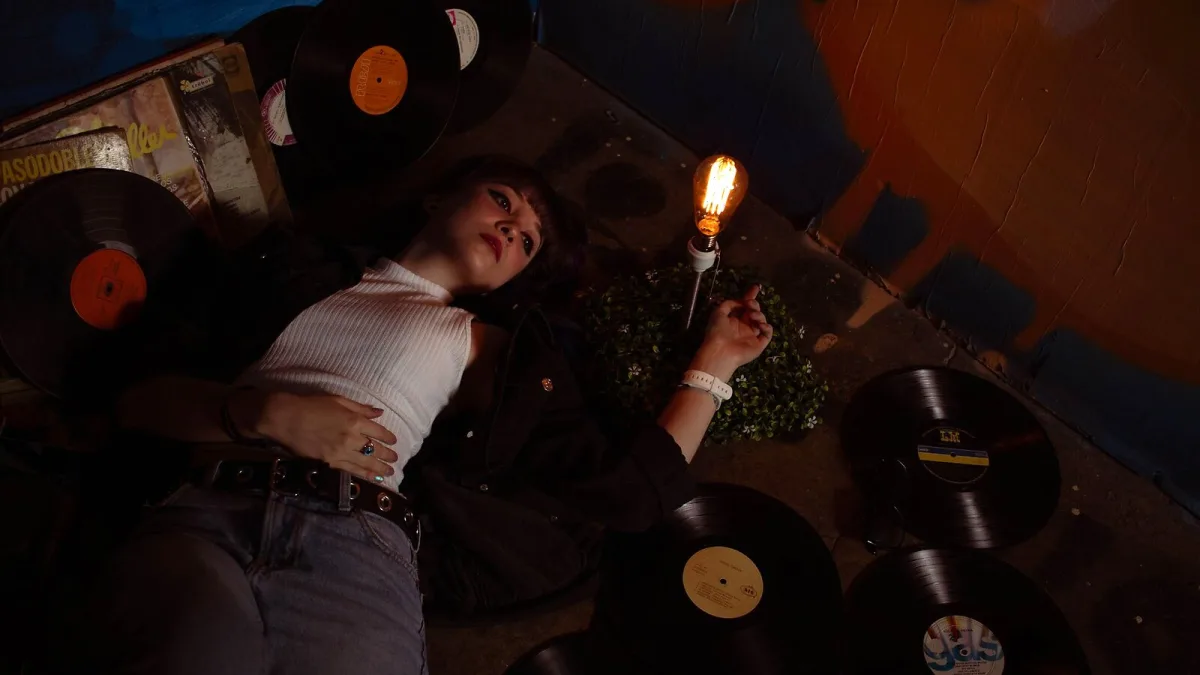
Trip hop is one of those genre names that gets thrown around a lot, often quite loosely, so let's clear up what it actually means. By the end of this guide you'll know where the sound came from, what makes it instantly recognisable, and which records to reach for first. No prior knowledge needed — we'll take it steadily.
What Is Trip Hop, Exactly?
At its simplest, this is an atmospheric, sample-based style of music that grew out of Bristol, England, in the early 1990s. It borrows hip-hop's love of breakbeats and sampling, adds the deep bass and echo of dub reggae, and folds in soul, jazz and cinematic textures on top. The result is slower, moodier and altogether more widescreen than most dance music of the era.
The name itself was coined by British music journalists trying to describe a slower, more psychedelic cousin of hip-hop — it's said to have first appeared in the dance-music press. Worth knowing early on: several of the artists most associated with the term, including Massive Attack and Tricky, have pushed back against it. It's a useful shorthand for listeners, but it was never a manifesto the musicians signed up to.
Where the Sound Came From: Bristol
None of this sprang from nowhere. It grew out of Bristol's sound-system and club culture, where Jamaican dub and reggae, post-punk experimentation, hip-hop DJ techniques and soul music all shared the same dancefloors. Central to this was the Wild Bunch, a loose collective of DJs, rappers and singers whose members went on to form Massive Attack.
If you'd like the fuller story — the Wild Bunch, the key studios and how one city produced three of the genre's defining acts — our dedicated history piece covers it properly. For now, the short version is enough to make sense of the sound.
Five Ingredients to Listen For
Once you know what to listen for, it becomes easy to spot. Here are the five elements that tend to show up, in some combination, on almost every record:
| Element | What to listen for |
|---|---|
| Drums | Sampled breakbeats that feel slower, heavier or slightly loose rather than tightly quantised |
| Bass | Deep and sustained, often shaped with dub-style filtering, delay and reverb |
| Samples | Fragments of jazz, soul, funk, film scores or spoken dialogue, sometimes obvious and sometimes buried |
| Space | Reverb, tape hiss and filtered ambience that create a sense of depth, almost like a soundtrack |
| Vocals | Intimate, breathy or heavily treated — sung, rapped, spoken, or all three within one track |
Tempo tends to sit somewhere between 70 and 100 beats per minute, though there's no strict rule — some tracks creep up towards 110. Producer guides often describe the target as "slow and filthy": a big, dirty bass sound under a restrained, cinematic arrangement.
How It Differs From Hip-Hop and Dub
It helps to think of this style as sitting between two older ones rather than replacing either. From hip-hop, it takes sampling, breakbeats, turntables and the idea of the producer as the main creative force. From dub and reggae, it takes the deep bass, tape delay and spacious mixing that give it a sense of weight.
What sets it apart from both is the balance: it's generally slower than conventional hip-hop, leans more on sung vocals than rapping, and borrows the emotional language of film music — suspense, isolation, unresolved endings — more than either of its parents did.
The Artists Who Shaped It
Three Bristol acts sit at the centre of the story: Massive Attack, Portishead and Tricky. Around them sit DJ Shadow, Morcheeba, Lamb and others who took the same ideas in different directions. Rather than list them all here, our guide to the key artists gives each one proper room, with a starting album for every act.
Related Styles Worth Knowing
It isn't a single, fixed sound — it splintered into softer, jazzier and darker strands almost as soon as it appeared. If you want to understand how those branches differ from one another, see our breakdown of the subgenres, which maps the family tree properly.
Is It Still Being Made?
Not as an active scene with new bands queuing up under the banner, no. But its production ideas — sampling, dub bass, cinematic atmosphere — never really went away. You'll hear traces of it in modern downtempo, alternative R&B, soundtrack work and plenty of bedroom-produced electronic music. It's better understood today as an influential toolkit than a live movement.
Where to Go Next
If you're ready to actually press play, our essential albums guide walks through the four or five records that matter most, and this newcomer's listening path gives you a gentle order if you'd rather be guided step by step. Prefer individual songs to whole albums? Our pick of the best tracks is a good place to sample things a few minutes at a time.
The main thing to remember is that trip hop rewards patience. It's rarely an instant, hooky genre — it's built to be sat with, ideally with the lights down, and it tends to reveal more the second and third time you hear it.



Comments