


Grime article
The History of Grime
Grime didn't arrive fully formed. Here's how it moved from pirate-radio frequencies in east London to a Mercury Prize, a quiet decade, and a full-blown revival.
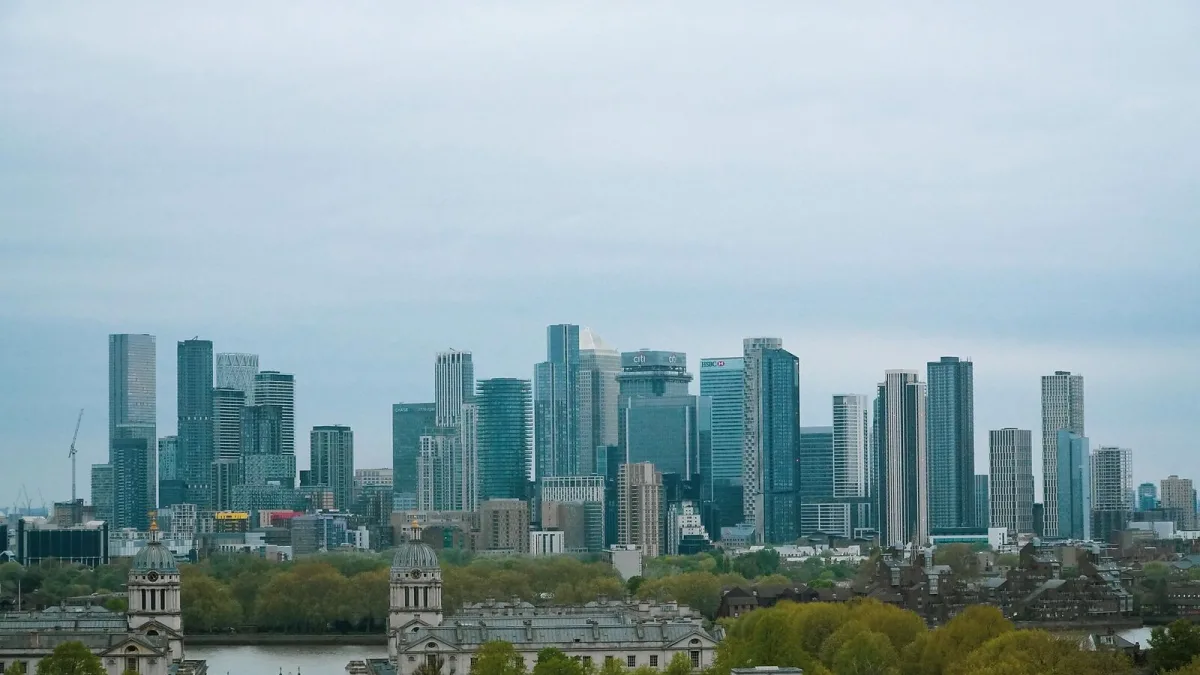
Grime didn't arrive fully formed. It was built, piece by piece, on pirate-radio frequencies and in bedroom studios across east London, before spending two decades moving between the underground and the mainstream and back again. Here's how one of Britain's most distinctive musical exports actually came together, in order.
Before It Had a Name: UK Garage and Sound-System Culture
In the late 1990s, London's UK garage scene was thriving — smooth, bassy, dance-floor music with its own strong MC culture. Crews such as Pay As U Go Cartel and So Solid Crew pushed that sound in a darker, more stripped-back direction, drawing on jungle, drum and bass, dancehall and hip-hop as well. The genre didn't have a settled name yet; early material got filed under "garage", "eski", "underground" or simply the name of whichever crew or pirate station had put it out.
Pirate radio made all of this possible. Unlicensed stations such as Rinse FM, Deja Vu FM, Freeze FM and Axe FM broadcast from tower-block rooftops, giving producers and MCs somewhere to test new instrumentals and build a following completely outside the record industry.
The First Wave: 2001–2004
By the early 2000s, a genuinely new sound had taken shape around east London, particularly Bow and Newham. Producer Wiley was central to this shift, developing the icy, sparse “Eskibeat” production style that became one of the clearest early templates for grime — all cold synths, abrasive electronic textures and plenty of room left for an MC.
Wiley had been part of Pay As U Go Cartel, and he mentored a young Dizzee Rascal, who released the single “I Luv U” around 2000. Some accounts point to that track as an early landmark, though pinning down a single “first” record is difficult, since the sound developed collectively rather than arriving with one artist or one release.
Boy in da Corner and the Mercury Moment (2003)
Everything changed in 2003, when Dizzee Rascal released his debut album, Boy in da Corner. It took the raw, pirate-radio sound and turned it into a complete, autobiographical record — minimal production, surreal imagery and a genuinely individual vocal style — and it won that year's Mercury Prize. For a full breakdown of why the album still matters, see our guide to essential grime albums.
The following year, Wiley answered with Treddin' on Thin Ice and Kano released his own debut, Home Sweet Home. Between them, the three records showed just how much range the style could hold — stark experimentation, street storytelling and sharp, personal lyricism, all under the same banner.
The Quiet Years
After that initial burst of attention, several artists drifted towards pop, R&B or more commercial UK rap, and mainstream interest cooled. Grime itself never stopped, though. It kept going through pirate radio, mixtapes, DVDs and live clashes, largely out of the media spotlight but very much alive to the people actually listening.
The Second Wave: Boy Better Know and the 2010s Revival
A resurgence took hold in the 2010s, driven by Skepta and JME and their collective, Boy Better Know. This second wave deliberately returned grime to its original strengths: direct instrumentals built around 140 BPM, strong crew identity, and lyricism built for live sets rather than radio polish. It reconnected the sound with the DJ-and-MC dynamic that had defined it a decade earlier — you can read more about the key names from both waves in our piece on the best grime artists to know.
Stormzy and the Mainstream Breakthrough
Stormzy emerged from this second wave and carried grime to arena-sized audiences, blending it with gospel, R&B and pop influences along the way. His success helped push grime into festival headline slots and well beyond London, even as it kept overlapping more and more with UK drill and mainstream UK rap.
Grime's Two Waves, Side by Side
Laid out next to each other, the two defining eras of grime show how much the sound changed while keeping its core identity intact:
| Era | Roughly when | Key names | Defining trait |
|---|---|---|---|
| First wave | 2001–2004 | Wiley, Dizzee Rascal, Kano | Raw Eskibeat production, pirate-radio energy, the Mercury Prize breakthrough |
| Second wave | 2010s onwards | Skepta, JME, Stormzy | A deliberate return to DJ-and-MC roots, then a push into arenas and festivals |
Where Things Stand Today
Two decades on, the line between grime and its closest relatives — UK garage, dubstep, UK drill — is blurrier than ever, with artists moving freely between them. Our full breakdown of grime's subgenres and neighbouring styles untangles where each boundary actually sits. What hasn't changed is the DIY instinct that built the whole thing in the first place: an unlicensed radio signal, a crew with something to prove, and an MC who refused to wait for a label's permission.
The Bottom Line
From UK garage's darker fringes to Bow's pirate-radio studios, from a Mercury Prize in 2003 to arena tours two decades later, grime's history is really a story about British youth culture finding its own voice and refusing to soften it for anyone. If you're new to all of this, our beginner's guide to grime is the best place to start.




Comments