


Dubstep article
A Beginner's Guide to Dubstep
What dubstep actually is, how it works, and where to start listening — the plain-English guide for anyone new to the genre.
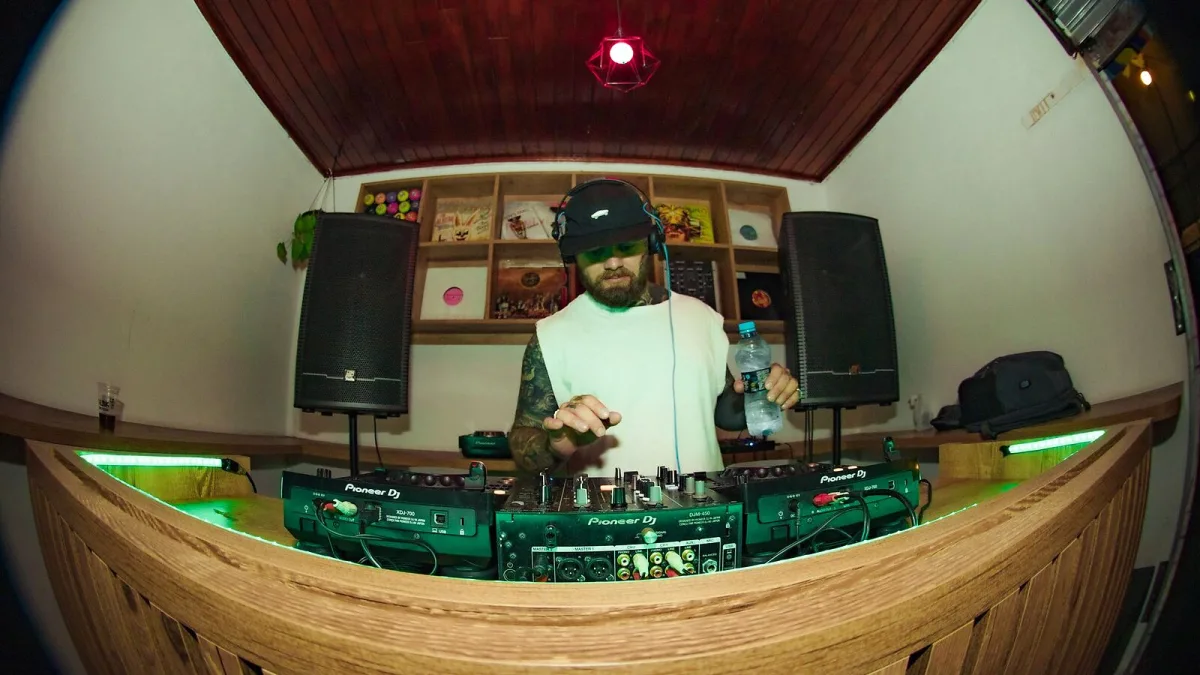
Dubstep is one of the great British musical exports of the last quarter-century — a genre built not on melody or vocals but on space, weight and the physical pressure of sub-bass. If you have ever felt a bassline in your chest before you heard it in your ears, you have already met the genre in its natural habitat: a club sound system. This guide explains what the genre actually is, how it works, and where to go next once you are hooked.
What Dubstep Actually Is
At its core, this is a genre built around a steady 140 beats-per-minute tempo, a half-time drum feel, and deep, sustained sub-bass. Rather than filling every beat with sound, its producers lean on silence and space, letting the low end do the emotional work. It is dance music, but it rewards standing still and feeling the bass as much as it rewards moving to it.
The genre grew out of London's underground pirate radio and record shop culture in the early 2000s, blending UK garage's shuffled rhythms with the echo and sub-bass philosophy of Jamaican dub reggae, plus the darker, more minimal energy that was creeping into grime and drum and bass at the same time. The result was music that felt stripped back, nocturnal and physically enormous, despite often being built from very few elements.
The Sound: Sub-Bass, Wobble and the Drop
A handful of terms come up constantly once you start reading about this genre, so it is worth explaining them plainly:
- Sub-bass — a very low, often sine-wave-based bass tone, felt as much as heard, that forms the genre's foundation.
- Half-time feel — at 140 BPM, the snare typically lands on the third beat of the bar rather than the second and fourth, giving the genre its distinctive, slower-feeling pulse even though the tempo is fast.
- Wobble bass — a bass sound whose tone is rhythmically modulated by a filter, creating the wobbling, growling texture most people associate with dubstep.
- The drop — the point in a track where the bassline and full weight of the arrangement arrive, often after a tense, stripped-back build.
Understanding these building blocks makes it much easier to hear what separates one track from another, and why fans can be quite particular about which style they prefer.
A Very Brief History
Dubstep's story properly begins in South London, particularly Croydon, where the record shop Big Apple Records and the FWD>> club night gave producers a place to test unreleased dubplates on a proper sound system. Early figures such as Horsepower Productions, El-B and Zed Bias pushed UK garage into darker, more minimal territory, and by the early 2000s a genuinely new genre had taken shape. That early period is often called deep dubstep, and it is a different beast from the more aggressive, festival-scale sound that later broke internationally. If you want the full story, our history of dubstep covers it in far more depth than we have room for here.
Deep Dubstep vs Brostep
As the genre grew, it split roughly into two camps. It is worth knowing the difference before you dive into playlists, because the two styles can sound like entirely different genres.
| Style | Feel | Typical sound |
|---|---|---|
| Deep dubstep | Spacious, dark, restrained | Clean sub-bass, sparse drums, atmosphere |
| Brostep | Loud, aggressive, dramatic | Distorted mid-bass, big drops, synth "growls" |
Neither version is the "correct" one. Both belong under the same banner, and most long-term fans end up enjoying elements of each.
A Wider Family of Sounds
Once you are comfortable with the basics, it is worth knowing that this scene has splintered into several distinct offshoots over the years, from the minimal, kick-driven sound of riddim to the more emotive, synth-led approach of melodic dubstep. Our guide to dubstep subgenres breaks each of these down properly, which is well worth a read once the basics have clicked.
Who to Listen to First
Skream, Benga and the Digital Mystikz duo of Mala and Coki are the names that come up again and again when people talk about the genre's early years, and for good reason — their records more or less defined its first decade. For a proper rundown of the artists who matter, our piece on the best dubstep artists to know is the natural next stop, and our list of essential tracks to hear gives you somewhere concrete to press play.
Getting Started as a Listener
You do not need any special equipment to enjoy it, though a decent pair of headphones or speakers with real bass response genuinely does change the experience — this is music built for low frequencies you can feel. A sensible way in is to start with a handful of well-known tracks from the early years, notice how the space and sub-bass are used, then branch out towards brostep or the newer subgenres once your ear has adjusted. If you get the chance to hear it on a proper club system, take it; recorded, it is good, but through a sound system built to carry sub-bass, it is a genuinely different experience.
The Bottom Line
Dubstep rewards patience. It is not built for instant gratification in the way a lot of modern pop is — the space and restraint are the point, not a flaw. Start with the classics, learn to tell deep dubstep from brostep, and let your ear do the rest. Two decades on from its Croydon beginnings, this genre remains one of the most distinctive things British music has ever produced.



Comments