


Dubstep article
Essential Dubstep Albums Explained
Six essential dubstep albums, from Burial's ghostly minimalism to Skrillex's Grammy-winning maximalism, and why each one matters.
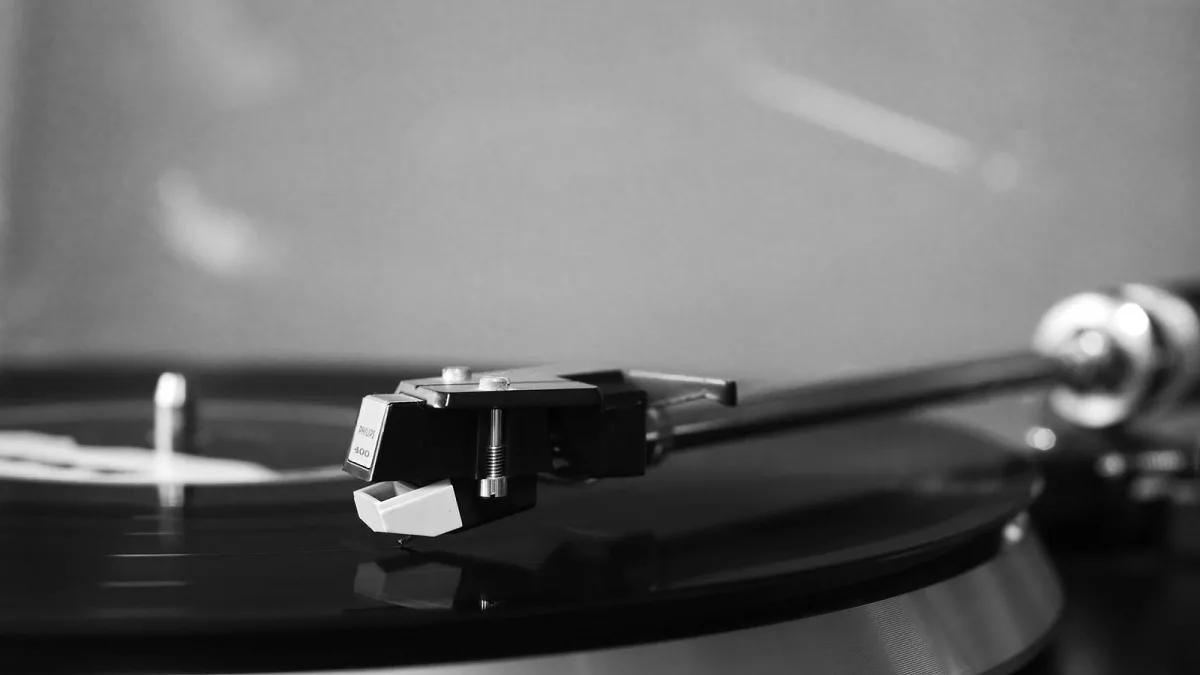
Dubstep is a genre that lives mostly in singles, dubplates and club sets, which makes a genuinely great full-length album a rarer thing than in most other styles of music. The records below are the ones that managed it — each a proper artistic statement rather than a collection of leftover club tracks. Here is why each one still matters.
Burial – Untrue (2007)
No list of essential dubstep albums can start anywhere else. Burial's second album took the genre's sub-bass and space and turned them into something closer to ambient music — ghostly vocal samples, vinyl crackle and rain-soaked atmosphere replacing the club-ready drops most listeners expected. It was nominated for the Mercury Prize in 2008, an almost unheard-of achievement for a record this far outside the mainstream, and it remains one of the most acclaimed British albums of its decade. His self-titled 2006 debut, Burial, is the rawer, more overtly dub-influenced record worth hearing first if you want the fuller picture.
Skream – Skream! (2006)
Skream's debut arrived while he was still a teenager, and it captured the sound of Croydon's early scene at its most confident. Moody, melodic sub-bass sits alongside sparse, syncopated drums throughout, and the record is often cited as one of the clearest documents of what deep dubstep sounded like before the genre split into louder, more aggressive strands.
Benga – Diary of an Afro Warrior (2008)
Where Skream's debut leaned melodic, Benga's first album is sharper and more percussive, reflecting his background as one half of the genre's earliest production partnerships. It is a useful companion piece to Skream! precisely because the two records, made by close collaborators, sound so different from one another.
Rusko – O.M.G.! (2010)
By the time Rusko released his debut album, dubstep's sound was already shifting towards something louder and more playful. O.M.G.! leans into that shift fully, with a bouncy, almost ska-inflected energy that helped bridge the gap between the genre's deeper roots and the brostep era that followed.
Nero – Welcome Reality (2011)
Nero's debut fused dubstep with drum and bass and pop songwriting, and the gamble paid off commercially in a way few dubstep albums have managed — it topped the UK album charts on release. It is a useful reminder that "dubstep album" does not have to mean "underground curiosity"; this one was a genuine chart phenomenon.
Skrillex – Recess (2014)
By the time Skrillex released his first full studio album, having already reshaped the genre's sound and reputation through a run of hugely influential EPs, Recess arrived as a victory lap of sorts. It went on to win a Grammy Award, cementing brostep's commercial arrival on the biggest possible stage.
Quick Reference
| Album | Artist | Year | Why it matters |
|---|---|---|---|
| Untrue | Burial | 2007 | Mercury Prize-nominated, genre-defining atmosphere |
| Skream! | Skream | 2006 | Definitive early Croydon sound |
| Diary of an Afro Warrior | Benga | 2008 | Sharper counterpart to Skream's debut |
| O.M.G.! | Rusko | 2010 | Bridge into the brostep era |
| Welcome Reality | Nero | 2011 | UK number-one chart album |
| Recess | Skrillex | 2014 | Grammy-winning brostep landmark |
Where to Find Them
All six records are available on the major streaming services, which makes this an easy list to work through without spending a penny. That said, several of these albums — Burial's especially — were built with vinyl playback and a proper subwoofer in mind, and reissue pressings do turn up regularly from specialist record shops if you want to hear the low end the way it was intended. A cheap pair of bass-capable headphones will get you most of the way there if a full sound system is not an option.
How to Use This List
These essential dubstep albums work best heard roughly in order, since the shift from Burial's ghostly minimalism to Skrillex's maximalist drops traces the genre's whole journey in six records. If you would rather approach things artist-first, our guide to the best dubstep artists to know is the natural companion piece, and our rundown of defining dubstep tracks is a faster way in if a full album feels like too much of a commitment.
The Bottom Line
A genre built on singles and dubplates was never going to produce dozens of classic albums, which is exactly why the ones on this list are worth taking seriously. Each of these dubstep albums captures a genuinely different moment in the story our history of dubstep tells in full — start wherever your ear takes you, and work outward from there.





Comments