


Dubstep article
The History of Dubstep
From a Croydon record shop to festival main stages: the traceable, two-decade story of how dubstep came to be.
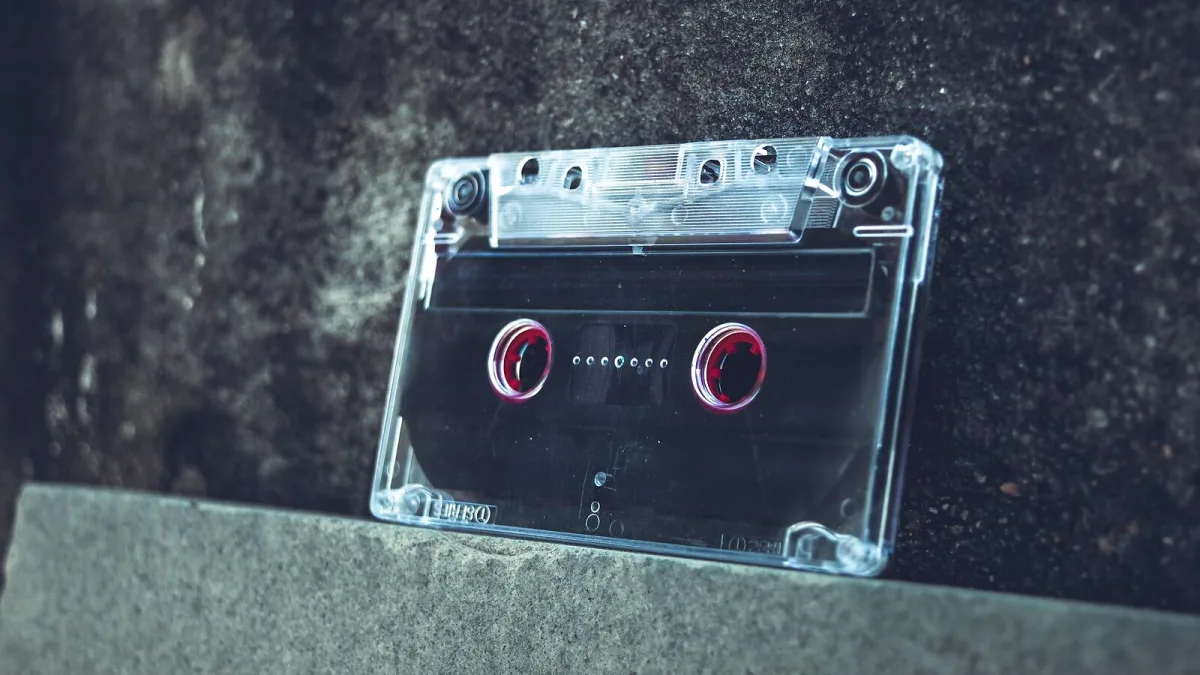
Every genre has an origin story, but few are as geographically precise as the story of dubstep: a handful of streets in South London, a record shop, and a club night that started life above a bar. This is the story of how a fusion of garage rhythms and reggae sub-bass grew, over two decades, into a genre that eventually filled festival main stages around the world.
Roots: Garage, Dub and the Sound System
By the late 1990s, UK garage had splintered into several moods. Alongside its slicker, champagne-and-heels mainstream side, a darker strand was forming — producers stripping songs back, slowing the emotional temperature, and leaning harder on bass. That darker strand, which would eventually become dubstep, drew heavily on two older traditions: Jamaican dub reggae, with its emphasis on echo, space and sub-bass pressure played loud through purpose-built sound systems, and the more minimal, textural side of techno and drum and bass.
Producers such as El-B and Zed Bias were pivotal in pushing garage towards this darker territory in the late 1990s, while Horsepower Productions helped define the sparse, atmospheric template that dubstep would follow. None of them set out to invent a new genre; the shift happened gradually, one white-label dubplate at a time.
Croydon, Big Apple Records and FWD>>
If dubstep needed a postcode, it was Croydon. Big Apple Records, a record shop in the area, became an informal meeting point where producers, DJs and listeners swapped ideas and passed round dubplates — acetate test pressings played out before a wider release, letting DJs gauge a crowd's reaction on the night. The shop's importance to the dubstep story is sometimes overstated in tidy genre histories, but there is no doubt it mattered.
The other essential piece was FWD>>, a London club night that began at the Velvet Rooms before moving to the now-legendary Plastic People in Shoreditch. FWD>> gave the emerging genre something rare: a room built around sound-system quality rather than commercial songwriting, where a track's low end could be judged properly and unreleased material tested in front of a real audience. By around 2001–2002, dubstep had a distinct enough identity to be considered a genre in its own right.
The First Golden Era
The years that followed are often remembered as the purest period for dubstep. Skream and Benga, both still teenagers when they started making waves, became two of its defining names, while Digital Mystikz — the duo of Mala and Coki — anchored the deep, meditative end of the sound through their DMZ label and club night. DJ Hatcha, spinning at FWD>> and in Croydon, was instrumental in championing this new generation of producers to wider audiences.
A short list of what defined that era:
- Sparse, spacious arrangements built around sub-bass rather than constant sound.
- A DIY culture of white labels, dubplates and small independent labels.
- Sound-system culture inherited directly from dub reggae.
- A tight, largely London-based community of producers and DJs who knew each other personally.
This period is what most people mean when they refer to deep dubstep — the restrained, atmospheric style that predates the genre's later, louder reputation. Our guide to the artists who shaped the genre goes into more depth on the individuals involved.
Going Global: The Brostep Years
Through the mid-to-late 2000s, the sound began travelling well beyond London, picking up new production techniques and a rougher, more aggressive edge along the way. By the early 2010s, a heavier, festival-ready variant — widely nicknamed brostep — had broken into the American mainstream, built on distorted mid-bass, dramatic drops and an almost rock-influenced sense of showmanship. It shared a lineage with the Croydon originators but sounded, to many long-time fans, like a different genre entirely.
That split is still felt today. Some listeners came in through the aggressive, festival-scale sound and later discovered the deeper, older material; others went the opposite way. Both routes lead to the same family tree, which our breakdown of dubstep subgenres maps out in full.
Where It Stands Today
More than two decades on from its Croydon beginnings, the genre has settled into something broader and more varied than either of its two most famous eras. Newer strands such as riddim and melodic dubstep have emerged, festival culture has embraced it fully, and the original deep style has never entirely gone away — it simply moved to smaller, more dedicated corners of the scene. Anyone curious about where to start listening can find a practical route in on our beginner's guide.
The Bottom Line
What makes this history unusual is how traceable it is: a specific record shop, a specific club, a specific small group of producers who happened to be in the same rooms at the same time. Few genres can point to their birthplace with that kind of precision. Two decades of growth, splits and reinventions later, that Croydon lineage is still audible in every dubstep drop.



Comments