


Boogie article
Boogie Subgenres, Explained
One word, four genuinely different genres — here's a clear map of how boogie splits, and why it keeps causing mix-ups.

Say one word to five different music fans and you might get five different songs stuck in their heads. That's genuinely part of the charm here — a single term that's been claimed, reshaped and carried into completely different scenes across a century. This is a straightforward map of where each strand actually sits, so you can stop guessing which one someone means.
Boogie-Woogie: the Original Piano Style
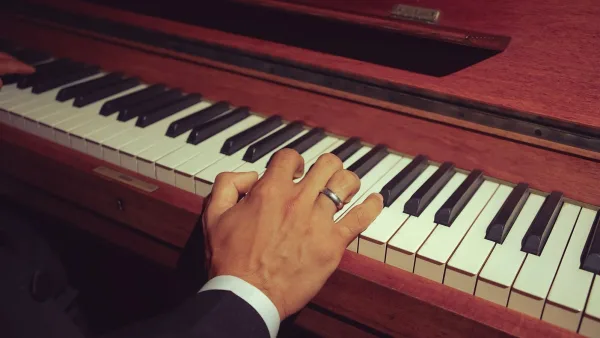
This is where it all begins: a blues-based piano tradition built on a repeating left-hand bass figure — the ostinato — under improvised, syncopated right-hand phrases, usually over a twelve-bar blues form. It grew out of African American barrelhouse and honky-tonk playing in the late nineteenth and early twentieth centuries and became a genuine commercial force by the late 1930s, largely off the back of pianists like Albert Ammons, Meade "Lux" Lewis and Pete Johnson. If you want the full backstory, our history piece covers it decade by decade.
Country Boogie: Where Blues Met Hillbilly Twang
During the 1940s, country bands started borrowing the same rolling bass patterns and twelve-bar structure and running them through fiddles, steel guitar and upright bass instead of a piano alone. The result kept the driving, danceable feel of the original but dressed it in a distinctly rural, hillbilly sound. It's one of the clearest threads historians point to when explaining how rockabilly, and eventually rock 'n' roll, took shape in the following decade.
Boogie Rock: Amplifiers, Riffs and Bar-Band Energy
By the late 1960s and through the 1970s, the same core idea — a locked, repeating figure that everything else sits on top of — had moved onto electric guitar and into pub and bar bands. Canned Heat put it in an album title outright with Boogie with Canned Heat, while acts on both sides of the Atlantic, from Texas blues-rock trios to no-nonsense British riff bands, built entire careers on the same stripped-down, working-band energy. Our roundup of the best artists to know names names if you want specific starting points.
Electro-Boogie: the Post-Disco Detour
This is the one that trips people up, because it shares almost nothing musically with the three strands above beyond the name. In the late 1970s and early 1980s, a post-disco, electro-funk sound — syncopated bass, drum machines, slick studio production and vocal-led arrangements — picked up the same word as a genre label in its own right. It sits much closer to funk and early electronic R&B than to any piano tradition, and treating it as a direct descendant of the earlier style is one of the most common mix-ups out there.
How the Strands Compare
| Strand | Era | Core Instrument | Feels Closest To |
|---|---|---|---|
| Boogie-woogie | 1920s–1940s | Piano | Blues |
| Country boogie | 1940s–1950s | Fiddle, steel guitar | Country / rockabilly |
| Boogie rock | 1960s–1970s | Electric guitar | Blues-rock |
| Electro-boogie | Late 1970s–1980s | Synth, drum machine | Funk / post-disco |
Why the UK Still Cares About the Post-Disco Strand
The electro-funk strand has a genuinely dedicated following on this side of the Atlantic. UK soul and rare-groove DJs have long kept that era's drum-machine-driven funk in rotation at all-dayers and on specialist radio shows, treating it as its own distinct crate-digging category rather than a historical footnote. It's worth knowing that scene exists before you go searching online, since a lot of the discussion around it uses the bare word as a standalone genre tag with no reference to a piano at all.
Which One Should You Explore First?
If in doubt, start at the source. Learning the original piano pattern gives you a genuine feel for why every later strand kept coming back to the same trick — a locked, repeating figure with room to improvise on top. Our beginner's guide walks you through exactly that, and once it clicks, the country, rock and electro strands above will all make a lot more sense as variations on the same idea rather than four unrelated genres that happen to share a name.
Getting the Terminology Right
One last, practical tip: when you're talking to other fans, or searching for music online, it pays to be specific about which strand you actually mean, since the original piano tradition, the guitar-band descendant, and the two other offshoots above each point somewhere completely different. Dropping the qualifier and just using the bare, unadorned word is exactly how these four genuinely distinct things end up getting mixed up in the first place.





Comments