
Dancehall is a bass-driven Jamaican style built on rhythmic vocals, strong riddims and high-energy performance.
- 10 articles
- Music Genres (General)
Articles on Dancehall
All news

Reggaeton Subgenres, Explained
Reggaeton isn't one sound. Here's a clear guide to its main subgenres, from underground and perreo to reggaeton romántico and beyond.

Dancehall Subgenres, Explained
It's not one fixed sound frozen in time. Here's what genuinely separates classic, digital, ragga, bashment and contemporary dancehall, no fluff.


Essential Dancehall Albums Explained
The album isn't always the natural unit here, but a handful of genuine landmarks are essential. Here's what to hear, and why each one matters.


The Best Dancehall Artists to Know
It's always been a scene of rivals, mentors and successors. Here's an honest look at the artists who actually shaped dancehall, era by era.
Reggae Music Subgenres, Explained
Reggae was never one sound. Here's how roots, dub, lovers rock and dancehall actually differ, and where each one came from.


A Beginner's Guide to Dancehall
Four ideas unlock almost everything else about this genre. Here's a gentle, jargon-light introduction to what dancehall actually is.

Dancehall for Newcomers: Where to Start
Forget the glossary. The fastest way into dancehall is through your ears, in the right order. Here's exactly where to start.
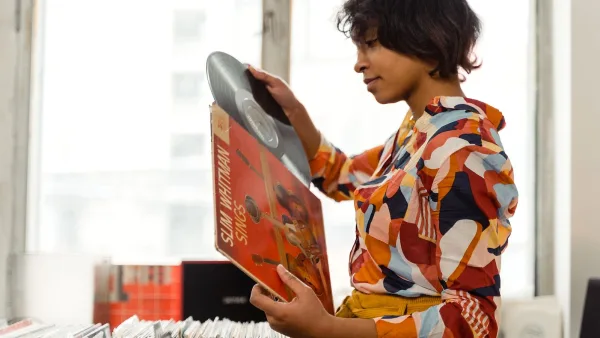

The Best Dancehall Songs Right Now
Chart positions come and go, but some tracks simply define a sound. Here are the essential dancehall recordings worth knowing, and why each one matters.
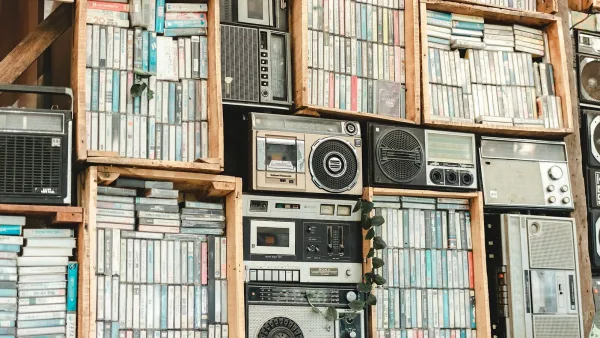

The History of Reggaeton
How a Jamaican riddim became a Panamanian translation, a Puerto Rican underground movement, and finally a global pop genre — the full story, chapter by chapter.
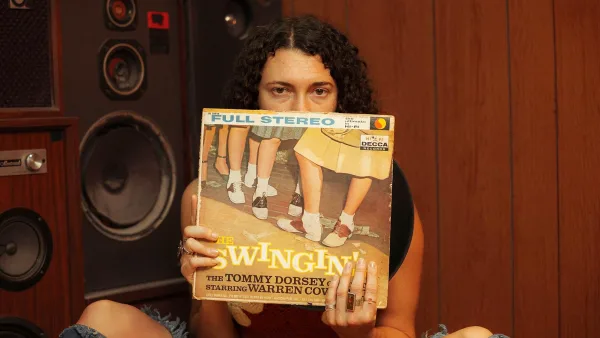

The History of Dancehall
Kingston backyards, competing speaker stacks, and a single 1985 track that changed everything. Here's how dancehall actually happened.

What is dancehall?
Dancehall is a Jamaican popular music style built around rhythmic vocals, strong bass and energetic riddims that drive the performance. For UK artists and producers, dancehall has long influenced grime, UK garage, pop and bass-heavy club music, making it a vital part of modern British sound culture. Dancehall can be reflective or party-focused, but it is always rooted in rhythm, vocal attitude and a sense of direct crowd connection.
Sound and style
The dancehall sound often features syncopated drum patterns, deep sub-bass and repeated instrumental loops that leave space for the voice to lead. Vocals may be sung, toasted or delivered in a rhythmic spoken style, depending on the artist and the setting. Dancehall productions range from stripped-back, underground riddims to glossy crossover records, and the genre continues to evolve through digital production and global collaboration.
Recording and performance needs
Artists working in dancehall often rely on microphones with strong vocal clarity, bass-capable monitoring and production tools that can handle heavy low end without losing detail. In UK studios and live venues, dancehall benefits from precise drum programming, vocal layering and sound systems that reproduce the full weight of the rhythm section. Dancehall remains a powerful genre for both street-level authenticity and mainstream reach.

Tango
Tango is a dramatic dance music style with strong rhythm, expressive phrasing and a distinctive emotional intensity.

Barbershop
Barbershop is a close-harmony vocal style with bright chords, precise ensemble blend and a classic a cappella sound.

Samba
Brazilian rhythm-led genre with rich percussion, syncopation and strong live energy for ensembles and carnival-style per...

Gothic
Gothic music spans dark, dramatic styles across rock, metal and alternative scenes. It links music, mood and visual iden...

Avant Garde
Avant garde music pushes beyond familiar styles with experimental sounds, unusual structures and sonic risk-taking.

Glitch
Glitch is an experimental electronic genre built from clicks, skips and digital artefacts. It suits adventurous producer...

Calypso
Calypso is a rhythmic Caribbean style built on storytelling, vocals and lively percussion with strong cultural roots.

Phonk
Phonk is a dark, sample-led style built on heavy bass, chopped textures and gritty beats.

Americana
Americana blends folk, country, blues and roots rock into storytelling-led music with an acoustic, lived-in feel.
Meditation Music
Calm, slow-moving music for mindfulness, relaxation, yoga and peaceful listening environments.

Minimalism
Minimalism uses repetition, gradual change and sparse materials to create focused contemporary music.

Symphony
Symphony covers large-scale orchestral works with structured movements, rich instrumentation and formal classical writin...


