


Dancehall article
The History of Dancehall
Kingston backyards, competing speaker stacks, and a single 1985 track that changed everything. Here's how dancehall actually happened.
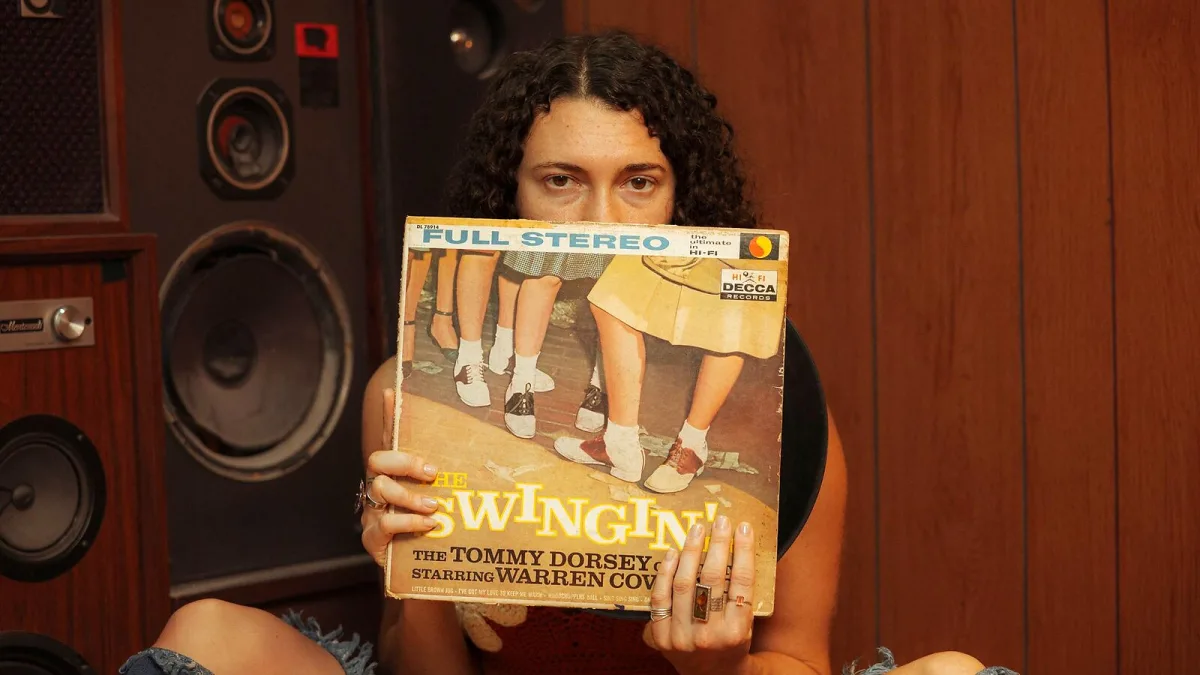
Every great sound has an origin story worth telling properly, and dancehall's runs through Kingston backyards, mobile speaker rigs the size of small buildings, and a single 1985 track that changed everything overnight. Here's how dancehall actually happened.
Dancehall Was Born on the Street, Not in a Studio
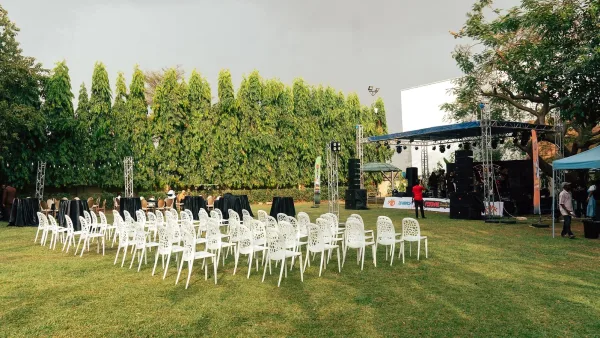
Long before dancehall had a name, Jamaica had sound systems — mobile DJ operations that hauled enormous speaker stacks to outdoor dances and neighbourhood parties. Operators competed fiercely: exclusive records, custom "dub plate" recordings made just for one sound, booming vocal introductions and pure crowd-winning showmanship. This was music as competition long before it was music as a genre with a name.
Out of that culture came the deejay — not someone selecting records, but a vocalist chanting, toasting or singing rhythmically over an instrumental. Pioneers like U-Roy, Big Youth and Dennis Alcapone built a vocal style through the 1970s that would become the backbone of everything that followed.
The 1970s: Reggae Turns Toward the Dance Floor
As the decade wore on, Jamaican producers increasingly issued multiple vocal versions over the same backing track, and deejays competed for attention with sharper lyrics, boasts and social commentary. It wasn't a clean break from reggae — more a gradual shift in emphasis, away from live-band arrangement and spiritual themes, and towards rhythm, personality and dance-floor impact. By the early 1980s, artists like Yellowman, Josey Wales and Sister Nancy were carrying that energy into a genuinely distinct dancehall sound of its own.
1985: The Night Everything Changed
Producer King Jammy released "Sleng Teng," built almost entirely on a programmed rhythm rather than a live band. It was a genuine shock to the system — proof that a compelling Jamaican riddim could come from a drum machine and a synthesiser rather than a full backing band. The track's success didn't just make one riddim famous; it rewired how the whole industry worked, making music faster and cheaper to produce, easier to distribute, and far more dependent on producers as the genre's true architects.
That digital shift is the hinge this whole history turns on. Everything before it feels rooted in the sound-system era; everything after moves at the speed producers and deejays could now work at.
The 1990s: Going Global
Through the 1990s and into the 2000s, a wave of artists carried the sound onto the international stage — Shabba Ranks, Buju Banton, Beenie Man, Bounty Killer and Lady Saw among them. Then Sean Paul's Dutty Rock, with singles including "Gimme the Light" and "Get Busy," pushed dancehall directly into mainstream international pop in the early 2000s, in a way few Jamaican records had managed before.
The Present: A Genre Still Reinventing Itself
Today's scene, with artists like Vybz Kartel, Popcaan, Shenseea, Spice and Skillibeng carrying the torch, increasingly borrows from trap drums, Afrobeats rhythms and Auto-Tuned melody — while still holding onto the riddim-led structure and competitive spirit the whole story was built on. If you want to meet the people driving that story forward, our piece on the artists worth knowing is the natural next stop.
Why the Dancehall Story Still Matters
None of this happened in a vacuum. The competitive sound-system culture that built dancehall in the first place still shapes how it works today — every riddim shared between artists, every clever lyric aimed at a rival, every new digital trend absorbed into the mix, all trace back to those Kingston backyards and their fiercely competitive speaker stacks. For a broader introduction to how the genre actually works today, our beginner's guide to dancehall picks up where this history leaves off, and our look at dancehall's subgenres traces how that story branched in different directions.


Comments