


Dancehall article
Dancehall for Newcomers: Where to Start
Forget the glossary. The fastest way into dancehall is through your ears, in the right order. Here's exactly where to start.
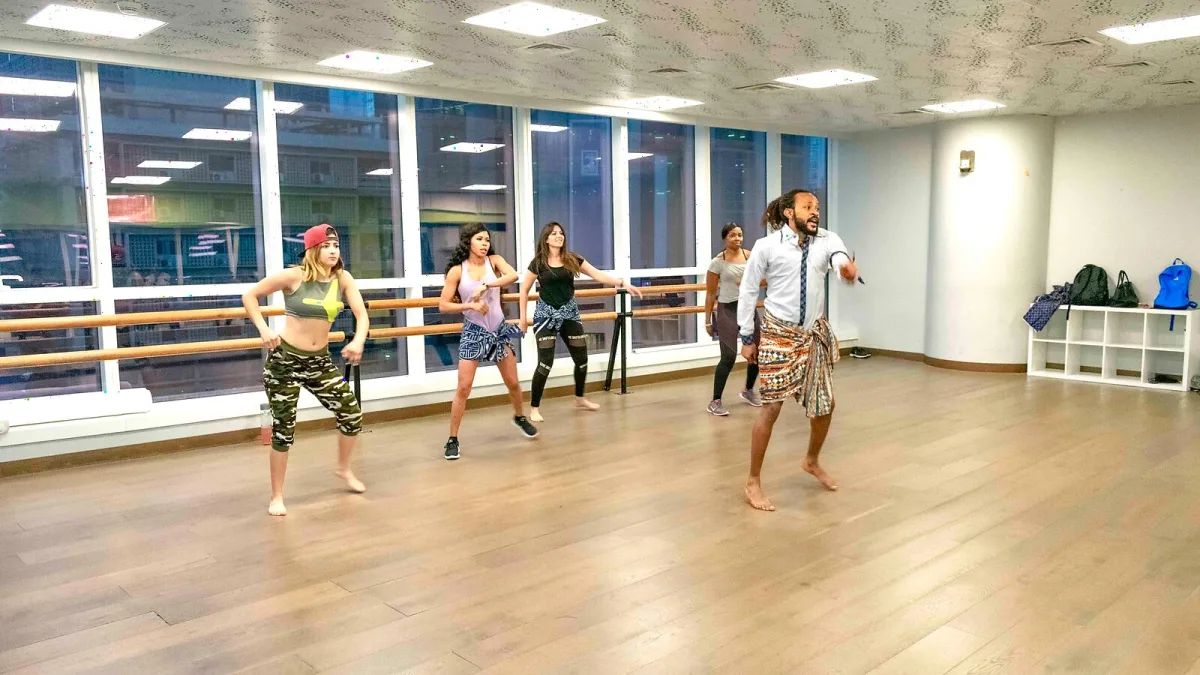
Forget reading a textbook history of dancehall first. The fastest way into this genre is through your ears, in the right order, without overthinking it. Here's exactly where to start and what to listen for, no jargon overload required.
Don't Start With the Vocabulary
You'll see dancehall terms like riddim, deejay and sound clash thrown around everywhere, and it's tempting to feel like you need a glossary before you're "allowed" to enjoy any of it. You don't. Press play first. The vocabulary will make far more sense once you've actually heard what it's describing — a quick explainer afterwards does more work than one read beforehand.
Why Bother With Dancehall At All?
Because it's one of the most influential sounds of the last fifty years, and most people have heard far more of it secondhand than they realise — through pop radio, through Afrobeats, through club and grime culture borrowing its rhythms and its swagger. Going straight to the source is genuinely more rewarding than any of the versions filtered through other genres.
Your First Ten Dancehall Tracks, In Order
Don't shuffle this. Listening in roughly this sequence shows you how one style genuinely grew into the next, rather than dumping every era on you at once.
- U-Roy — any representative early deejay recording, to hear where the vocal style began.
- Yellowman — a classic-era track, for the raw, foundational energy.
- Sister Nancy — "Bam Bam," one riddim, endless influence.
- Wayne Smith — "Under Mi Sleng Teng," the moment production went digital.
- Shabba Ranks — "Mr. Loverman," classic-era confidence going international.
- Beenie Man — "Who Am I," a genuine dance-floor standard.
- Bounty Killer — any representative 1990s recording, for the era's edge.
- Sean Paul — "Get Busy," the track that made this sound unavoidable on mainstream radio.
- Vybz Kartel — an early- or mid-career recording, to hear the modern era's biggest influence.
- Popcaan or Spice — a current-generation track, to land firmly in the present.
Ten tracks, one clear arc. Don't skip around — the order is doing real work here.
What to Actually Listen For
Stop worrying about following every lyric on the first pass. Instead, notice:
- The riddim underneath the vocal — and whether you recognise it turning up under a different song later. It will.
- How the vocalist rides the beat — ahead of it, behind it, chopped up around it. That's the flow, and it's doing as much work as the words themselves.
- The energy shift between eras — classic, digital, international pop crossover, contemporary. You'll hear each one land differently.
Skip the Common Beginner Trap
Don't judge the whole genre off one algorithm-fed playlist of "current hits." A single week's chart doesn't represent sixty years of dancehall history, and it definitely won't show you the riddim culture that makes everything connect. Go deliberately through the ten tracks above first, then let an algorithm take over once you've got your bearings.
Once You've Done the Ten Tracks
Ready for more context? Our beginner's guide to dancehall fills in the concepts properly now that you've actually heard them in action, and our guide to the artists worth knowing is the obvious next stop for going deeper on names that grabbed you. Curious how the sound splits into different styles? Our subgenres explainer covers that too.
Just Get Started
Don't wait until you feel "ready" for dancehall — there's no exam at the end of this. Ten tracks, in order, with your full attention. That's genuinely the whole plan, and it works better than any amount of reading about dancehall before you've actually heard it properly.



Comments