


Dancehall roundup
The Best Dancehall Artists to Know
It's always been a scene of rivals, mentors and successors. Here's an honest look at the artists who actually shaped dancehall, era by era.
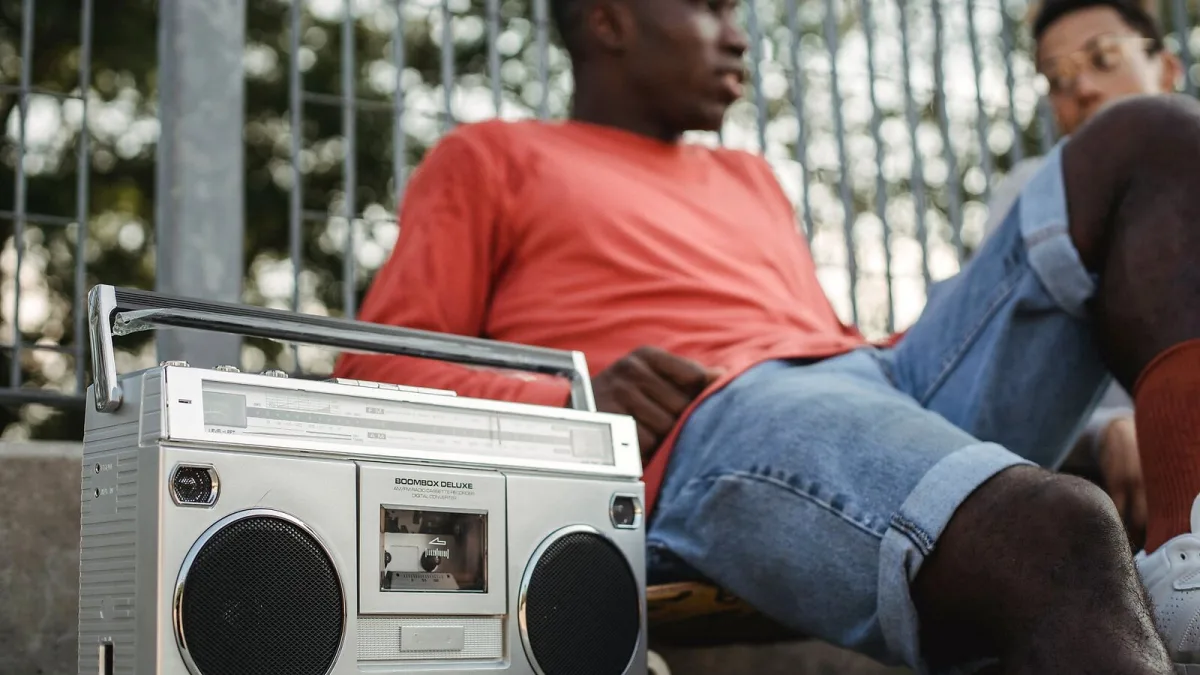
Nobody built dancehall alone, and nobody sustains it alone either — it's always been a scene of rivals, mentors and successors pushing each other forward. Here's an honest look at the dancehall artists who actually matter, across the eras, without pretending there's one definitive "king" everyone agrees on.
The Foundational Voices
Before dancehall had its own name, deejays like U-Roy, Big Youth and Dennis Alcapone were already chanting rhythmically over instrumentals, laying down a vocal approach the whole genre would later build on. It's worth knowing these names even if you never listen past this paragraph — without them, none of what follows makes much sense. Behind them stood producers like Coxsone Dodd and Duke Reid, whose studios shaped the sound-system culture this entire history grew from.
The Classic Era: 1980s Heavyweights
This is where the sound properly found its own identity. Yellowman became one of the genre's first breakout stars. Sister Nancy recorded "Bam Bam," a track whose riddim has been sampled and reworked more times than most people realise. Shabba Ranks pushed the sound to genuine international recognition, going on to win a Grammy Award for his 1991 album As Raw As Ever — a proper landmark, and proof this music could compete on the biggest stages without softening what made it distinctive.
The 1990s and 2000s: Going Worldwide
A hugely influential generation followed: Buju Banton, Beenie Man, Bounty Killer and Lady Saw all built substantial international careers, often while maintaining fierce, well-documented rivalries that kept fans genuinely invested. Then Sean Paul arrived with Dutty Rock and turned "Get Busy" and "Gimme the Light" into genuine global pop hits, doing more than almost anyone to put Jamaican dancehall directly in front of a mainstream international audience.
The Current Dancehall Generation
Today's scene is led by Vybz Kartel, whose influence on the sound and its language runs deep, alongside Popcaan, Spice and Shenseea, who've each carried dancehall into new territory on their own terms. A younger wave — Skillibeng, Masicka, Alkaline, Skeng and Jada Kingdom among them — is currently shaping where the genre heads next, pulling in trap, Afrobeats and Auto-Tuned melody without losing the riddim-driven core it was built on. Spice and Jada Kingdom in particular carry forward a lineage of outspoken women artists that stretches back to Lady Saw and Sister Nancy, in a genre that hasn't always made space for them easily.
A Quick Reference by Era
| Era | Key artists |
|---|---|
| Foundational deejays | U-Roy, Big Youth, Dennis Alcapone |
| 1980s classic dancehall | Yellowman, Sister Nancy, Shabba Ranks |
| 1990s–2000s international | Buju Banton, Beenie Man, Bounty Killer, Lady Saw, Sean Paul |
| Current generation | Vybz Kartel, Popcaan, Spice, Shenseea, Skillibeng, Jada Kingdom |
Treat this as a starting map rather than a complete family tree — there's real depth within every one of these eras that's worth exploring once a name catches your interest.
A Note on "Who's the Best"
You'll see the title "King of Dancehall" thrown around a lot — sometimes for Yellowman, sometimes Beenie Man, sometimes Vybz Kartel, depending who's asked. It isn't an official title, and no chart or award settles it definitively. Treat it as a fan debate worth having, not a documented fact. What's genuinely true is that each of these artists shaped the sound in ways the next generation built on directly.
How to Actually Get Into These Artists
Don't try to absorb everyone at once. If you're new to all this, our guide for newcomers lays out a sensible listening order. Want the fuller backstory behind how these names connect? Our history of the genre fills in the gaps between eras, and our round-up of essential albums is the natural next stop once you know the names.
Bottom Line
There's no single artist who "is" this genre — it's a relay, with each generation handing something real to the next. Start wherever grabs you, whether that's a classic Sister Nancy riddim or whatever Skillibeng released this month, and the rest of the family tree will start making sense from there.


Comments