


Dancehall roundup
The Best Dancehall Songs Right Now
Chart positions come and go, but some tracks simply define a sound. Here are the essential dancehall recordings worth knowing, and why each one matters.
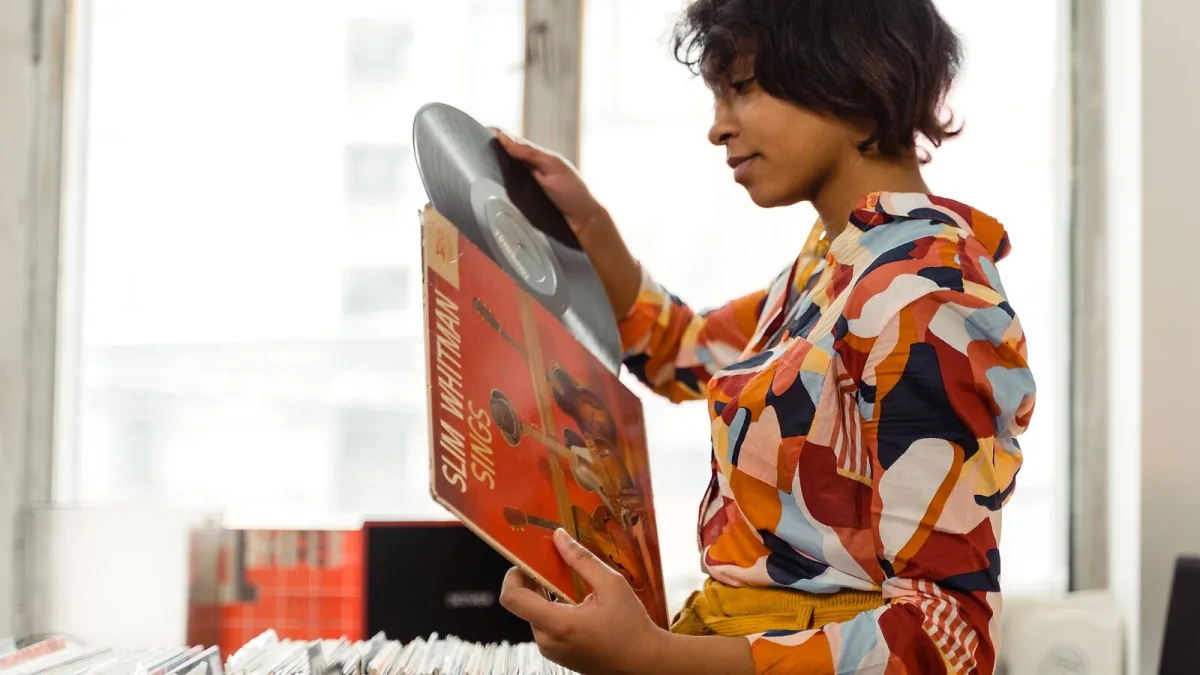
Chart positions come and go, but some tracks simply define a sound — they're the ones new listeners keep discovering years after release, and the ones longtime fans return to without needing a reason. These are the essential dancehall tracks worth knowing, chosen for lasting significance rather than any single week's playlist — the ones that shaped dancehall as much as any album did.
The Foundational Dancehall Riddim: "Bam Bam" — Sister Nancy
Few tracks illustrate dancehall's riddim culture better than this one. Built on a rhythm that's since been sampled and reworked across genres far beyond Jamaica, it's a genuinely essential starting point for understanding how one instrumental can outlive any single recording built on it.
The Track That Rewired Production: "Under Mi Sleng Teng" — Wayne Smith
Produced by King Jammy in 1985, this is the recording that proved a compelling Jamaican rhythm could be built almost entirely from a drum machine and synthesiser. Its influence on how dancehall gets made is hard to overstate — practically every digitally produced riddim since owes it something.
The Crossover Moment: "Mr. Loverman" — Shabba Ranks
A defining early-1990s recording from an artist whose Grammy-winning success helped prove this sound could genuinely compete on the international stage without losing its character. It's a good entry point for hearing the classic-era vocal style at its most confident.
The Dance-Floor Standard: "Who Am I" — Beenie Man
A genuinely enduring hit that's stayed in rotation at parties and sound systems for decades. Its longevity says something important about what actually makes a track "essential" here — not just chart success at release, but staying power on an actual dance floor.
The Global Breakthrough: "Get Busy" and "Gimme the Light" — Sean Paul
These two singles, both from Dutty Rock, did more than perhaps any other recordings to push the genre into mainstream international pop in the early 2000s. Even now, they remain the tracks most likely to make a listener outside Jamaica realise they already know this sound better than they thought.
The Modern Torch-Carriers
The current generation — Vybz Kartel, Popcaan, Shenseea, Spice and Skillibeng among them — continues adding to this list with material shaped by trap drums, Afrobeats rhythms and Auto-Tuned melody. Rather than naming any single "right now" hit, which dates within months, it's more useful to understand what makes a track from this era essential: a strong, distinctive riddim, a memorable vocal hook, and a delivery that still nods back to the toasting style U-Roy and Big Youth pioneered decades earlier.
| Track | Artist | Why it's essential |
|---|---|---|
| Bam Bam | Sister Nancy | Foundational, endlessly sampled riddim |
| Under Mi Sleng Teng | Wayne Smith | Launched digital-era production |
| Mr. Loverman | Shabba Ranks | Classic-era crossover confidence |
| Who Am I | Beenie Man | Enduring sound-system standard |
| Get Busy / Gimme the Light | Sean Paul | Mainstream global breakthrough |
Listening to Tracks in Context
A word of advice: don't listen to these in isolation from the riddims and eras that produced them. Understanding where each track sits historically makes the listening far richer. Our history of dancehall maps out that timeline properly, and our newcomer's listening guide builds a sensible path through tracks like these if you're just starting out.
Bottom Line
The truly essential dancehall tracks aren't the ones dominating a single week's chart — they're the ones that defined a riddim, a production era, or a moment when the sound reached somewhere new. Start with the five above, and let each one pull you towards the era and artists surrounding it.




Comments