


Reggaeton article
The History of Reggaeton
How a Jamaican riddim became a Panamanian translation, a Puerto Rican underground movement, and finally a global pop genre — the full story, chapter by chapter.
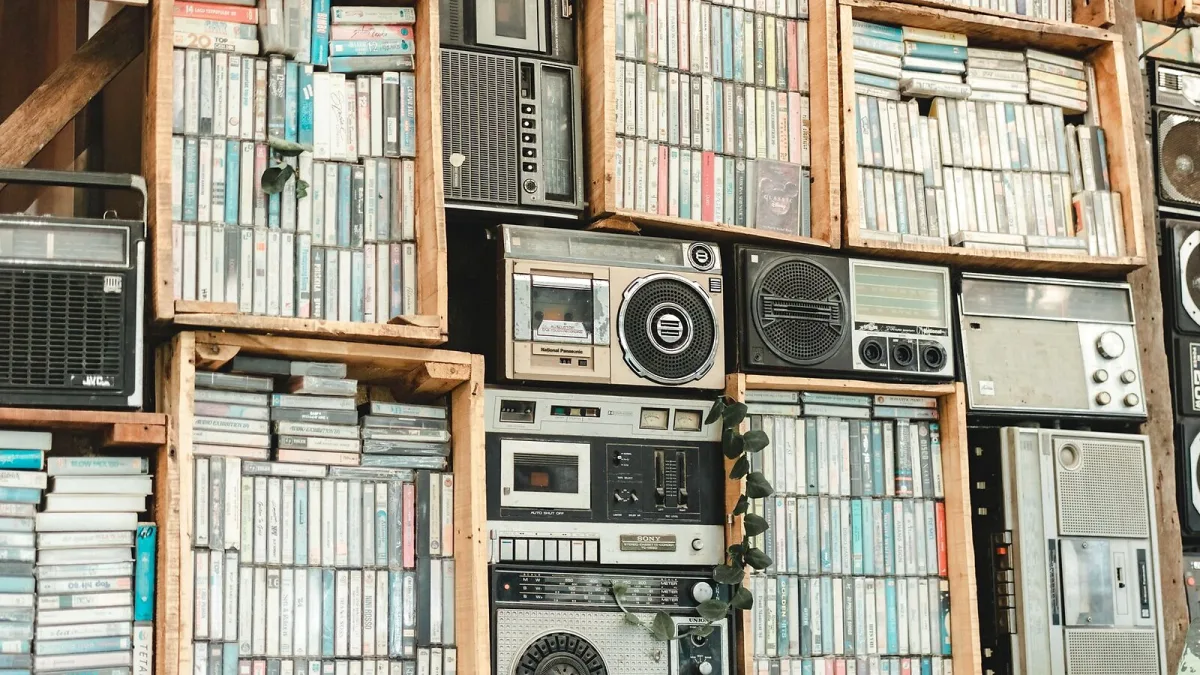
Every global chart-topper needs a backstory, and the history of reggaeton is a genuinely three-country affair. This isn't a tale of one inventor or one hit record — it's Jamaican rhythm, Panamanian translation and Puerto Rican reinvention, colliding across three decades into one of the biggest sounds in the world. Here's how it actually happened.
Jamaica: The Rhythmic Blueprint
The rhythm at the centre of reggaeton didn't start in a Spanish-speaking country at all. It comes from Jamaican dancehall, the sound-system-driven genre in which producers build a reusable instrumental — a riddim — over which different vocalists record separate songs. The specific riddim that matters most here is linked to late-1980s work by producers Steely & Clevie and Bobby "Digital" Dixon, and it became internationally known through Shabba Ranks's 1990 track "Dem Bow".
That name stuck. To this day, "dembow" is the term used for the genre's signature syncopated groove — a direct linguistic echo of where the rhythm began. It's worth sitting with that fact for a moment: the word most fans use every day for the sound underneath their favourite tracks is, quite literally, a Jamaican dancehall title, carried across the Caribbean and never renamed.
Panama: Translating the Rhythm
During the 1980s, Jamaican reggae and dancehall records circulated widely in Panama, where a distinct scene grew up translating them into Spanish. This movement became known as reggae en español, and it's a crucial, often under-credited chapter in the history of reggaeton.
Panamanian artist El General became one of the movement's most recognisable names, while Nando Boom's "Ellos Benia" — a Spanish-language adaptation of the "Dem Bow" rhythmic model — is frequently cited by historians as the direct bridge between Jamaican dancehall and what would eventually become Puerto Rican reggaeton.
Puerto Rico: The Underground Years
The next chapter belongs to Puerto Rico, and specifically to its 1990s underground scene. DJs and MCs began circulating cassette and CD mixtapes that combined dembow-based drum programming, Spanish rap, dancehall-style toasting and unapologetically street-level subject matter. DJ Playero's mixtapes are especially significant here, giving early space to artists including a teenage Daddy Yankee.
This period earned the "underground" name in more than one sense — the sound and its distribution both operated outside official channels, through clubs, cars and neighbourhood networks rather than radio. Puerto Rican authorities and cultural gatekeepers pushed back hard, objecting to explicit lyrics and imagery, and underground recordings faced real attempts at restriction and stigma. That resistance is now an inseparable part of reggaeton's story: its mainstream success didn't erase where it came from, it simply carried those origins into the open.
| Place | Role in the story | Key names |
|---|---|---|
| Jamaica | Supplied the dembow riddim via dancehall production | Steely & Clevie, Bobby "Digital" Dixon, Shabba Ranks |
| Panama | Translated the sound into Spanish as reggae en español | El General, Nando Boom |
| Puerto Rico | Built the underground scene and format that became reggaeton | DJ Playero, Daddy Yankee, Ivy Queen |
2004: The Breakthrough
The single most-cited turning point in the history of reggaeton is Daddy Yankee's "Gasolina", released in 2004 on his album Barrio Fino. Its combination of a huge dembow loop, aggressive delivery and a chant-ready chorus carried the genre out of Puerto Rico and into international pop consciousness almost overnight, alongside contemporaries such as Don Omar, Tego Calderón, Wisin & Yandel, Ivy Queen and Calle 13.
Ivy Queen in particular deserves her own line in this story: as one of reggaeton's few prominent women in its formative years, she helped define its vocal and lyrical identity at a time when the genre's underground scene was overwhelmingly male. Calle 13, meanwhile, took the genre in a more overtly political direction, proving early on that dembow could carry pointed social commentary just as easily as club anthems.
The 2010s: Going Global
The next major shift came as reggaeton stopped being a Puerto Rican export and became a genuinely global pop language. Colombian artists including J Balvin helped build a more internationally accessible version of the sound, songs like "Despacito" (Luis Fonsi and Daddy Yankee) and "Mi Gente" (J Balvin and Willy William) became worldwide hits, and Bad Bunny began pushing the genre toward Latin trap and more experimental production. Read more about the songs that marked each of these moments in our guide to reggaeton's essential tracks.
History Still Being Written
Two 2026 stories show that reggaeton's history isn't finished. In August, Wisin launched the "University of Perreo", an education initiative aimed at preserving and teaching the genre's history — a direct response to a scene that was once dismissed and censored. Weeks later, a US federal court case reopened a long-running argument about whether the dembow rhythm's basic syncopated pattern could be legally owned at all; a judge dismissed one central claim, but the wider question of who can claim credit for a foundational groove remains unresolved.
Both stories make more sense once you know the earlier chapters: a genre built from borrowed rhythms and shared credit was always going to end up asking hard questions about ownership.
Where to Go Next
This potted history only gets you so far. If you want the fuller picture of what reggaeton sounds like and why, start with our beginner's guide to reggaeton, then explore the artists who shaped it and the subgenres it has splintered into. Understood properly, the history of reggaeton isn't a footnote to today's charts — it's the reason they sound the way they do.



Comments