


Reggaeton article
A Beginner's Guide to Reggaeton
Reggaeton, unpacked from the ground up: the dembow rhythm at its core, the three-country story behind it, and where to press play first.
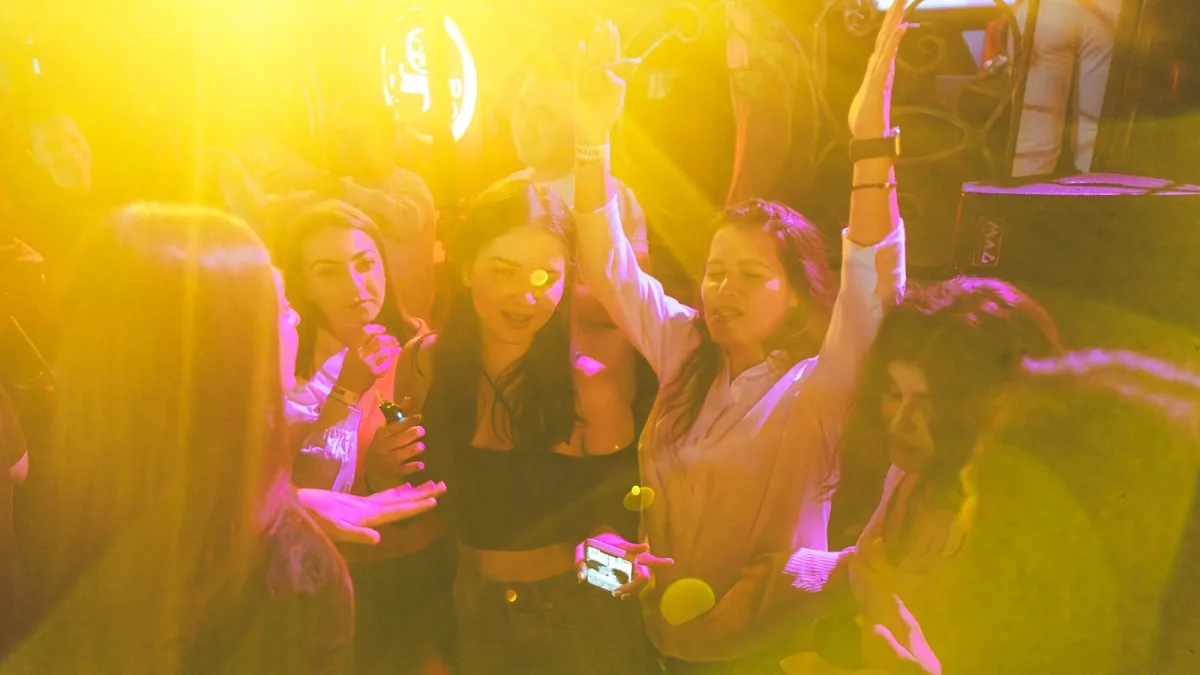
Put on almost any global pop playlist today and, sooner or later, that syncopated boom-ch-boom-chick pulse will turn up. That's reggaeton: a Spanish-language genre built on a single, endlessly adaptable rhythm, and one of the most influential musical exports of the last twenty years. This guide is the place to start — what reggaeton actually is, where its sound comes from, and how to find your way in.
What Is Reggaeton?
Reggaeton is a genre of Latin urban music, sung and rapped mostly in Spanish, built around a rhythm called dembow — a syncopated, dancehall-derived pattern that gives reggaeton its unmistakable swing. It isn't simply "Spanish-language reggae"; its character comes from a much wider mix of Jamaican rhythm, Caribbean sound-system culture, hip-hop-style delivery, electronic production and Puerto Rican street culture, all reshaped again and again by newer pop, trap and R&B influences.
What makes it instantly recognisable isn't the melody or the language — it's that rhythm underneath everything. Learn to hear dembow and you'll spot the genre's fingerprints in songs you didn't even realise belonged to it.
Where It Comes From, in Brief
The story runs through three places, none of which can claim sole credit. It began with Jamaican dancehall in the late 1980s, particularly a riddim linked to producers Steely & Clevie and Bobby "Digital" Dixon, made famous by Shabba Ranks's "Dem Bow". Panamanian artists such as El General then adapted that sound into Spanish during the 1980s and '90s, a movement known as reggae en español. From there, Puerto Rican DJs and MCs — DJ Playero chief among them — built an underground mixtape scene in the 1990s that turned those raw ingredients into something distinctly its own, years before the wider world had a name for it. For the full story, our history of reggaeton traces every stage of that journey, from riddim to global chart-topper.
The Sound: Dembow and the Building Blocks
Underneath a track like this, you'll almost always find the same core parts, however different the finished song sounds on top:
- Dembow rhythm — a syncopated kick-and-snare pattern, usually felt around 90–100 BPM, that drives almost every track in the genre.
- A heavy, short kick that supplies both low-end weight and rhythmic push.
- Percussion layers — shakers, timbales, congas, cowbells and electronic fills that add movement around the beat.
- Vocals that shift between rapping, singing, chanting and ad-libs, often addressed directly to the dancefloor.
- Synths and effects — plucks, pads, risers and vocal tuning that give the modern sound its polish.
It's a deceptively simple formula, which is exactly why it has proved so easy to bend into other styles without ever losing its identity.
From Underground to Global Pop
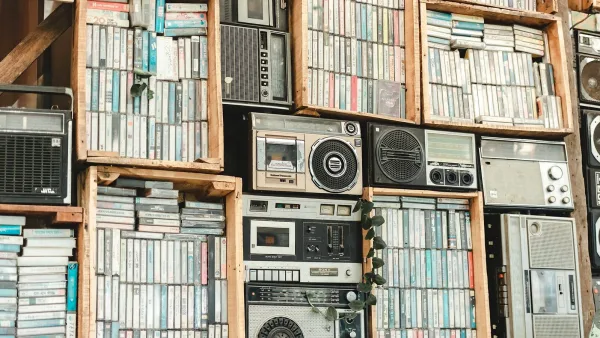
Its early years in Puerto Rico were controversial — explicit lyrics and street imagery drew official disapproval, and the music circulated informally through cassettes, clubs and neighbourhood networks long before radio would touch it. That changed decisively in 2004, when Daddy Yankee's "Gasolina", from his album Barrio Fino, became a genuine international crossover hit and pulled the whole genre into the mainstream alongside stars like Don Omar, Wisin & Yandel and Ivy Queen.
From there, the sound kept mutating. Colombian artists including J Balvin helped make it a global pop staple through the 2010s, while Bad Bunny pushed it toward Latin trap and experimental territory. Songs such as "Despacito", "Mi Gente" and Karol G's "Tusa" show how far it has travelled while still keeping that dembow pulse at its core. Our guide to essential reggaeton tracks walks through the songs that mark each stage of that journey.
Many Faces, One Rhythm
The genre now covers a surprisingly wide range of moods, from the aggressive, dance-floor-focused style known as perreo to softer, melodic, romance-leaning records, plus heavy crossover into Latin trap. If you want to understand how those strands differ, our breakdown of reggaeton subgenres is the natural next stop, and it's worth remembering that today's mainstream sound is only one branch of a much wider family tree.
Who to Listen to First
If you only remember a handful of names, start with Daddy Yankee, Ivy Queen and Tego Calderón for the genre's foundations, then J Balvin, Bad Bunny and Karol G for where it stands today. Between them, those six names cover roughly three decades of the same rhythmic idea, reshaped for three very different audiences. Our full guide to the artists who shaped reggaeton goes much deeper, and if you're not sure where to actually press play first, this newcomer's starting guide lays out a gentle listening order.
Why It Still Matters
Reggaeton is no longer a niche or a novelty — it's a permanent fixture of global pop, and its history is still being actively written. In 2026, Wisin launched the "University of Perreo", an education initiative aimed at preserving the genre's history, while a US court case the same year revisited long-running arguments over who, if anyone, can claim ownership of the dembow rhythm itself. Neither story would exist around a passing trend; both only make sense for a genre that has become permanent.
Whichever angle draws you in — the history, the artists, the records or simply the beat — there's real reward in a bit of curiosity here. Follow that pulse back far enough and you'll find Kingston, Panama City and San Juan all woven into a single, still-evolving sound that shows no sign of slowing down.




Comments