


Reggaeton article
Reggaeton Subgenres, Explained
Reggaeton isn't one sound. Here's a clear guide to its main subgenres, from underground and perreo to reggaeton romántico and beyond.

Call something "reggaeton" today and you could mean half a dozen genuinely different things — a raw underground throwback, a glossy pop crossover, or a trap-adjacent banger with barely a melody in sight. Sorting the various reggaeton subgenres out isn't just trivia: it's the difference between understanding what you're actually hearing and just nodding along to the beat. What holds it all together is the dembow rhythm underneath; what makes it interesting is everything artists have built on top of that rhythm since. Here's how to tell the strands apart.
Old-School and Underground Reggaeton
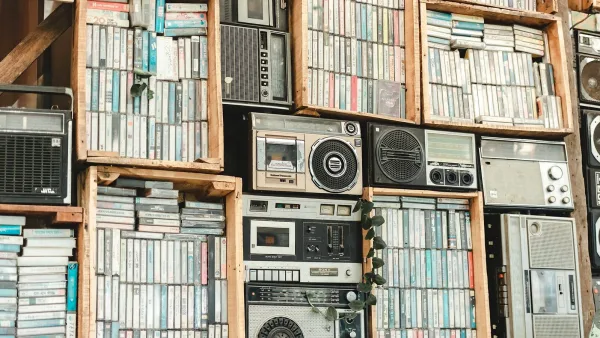
This is where the genre's DNA sits: the raw, cassette-and-mixtape sound of 1990s Puerto Rico, built on unpolished dembow production, Spanish rap, dancehall-style toasting and unfiltered street subject matter. DJ Playero's mixtapes are the defining artefact of this strand, and artists like a young Daddy Yankee cut their teeth here before reggaeton ever reached radio. Modern producers still return to this sound deliberately — Bad Bunny's YHLQMDLG leans on old-school signatures on purpose, as a direct nod to this earlier era.
It's worth remembering that none of the strands below actually replaced this one. They grew up alongside it, borrowed from it, and in most cases still circle back to it whenever an artist wants to sound authentically rooted rather than purely commercial.
Perreo: The Dance-Floor Engine
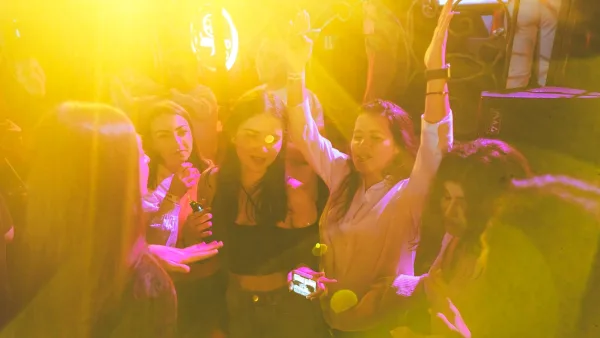
Perreo is less a production style than a function — the aggressive, hip-driven dance the genre is built to soundtrack, and, of all the reggaeton subgenres here, the one closest to the music's original underground energy. Tracks built for perreo tend to prioritise a heavy, insistent dembow groove and repetitive, chant-like hooks over melodic complexity, because the whole point is making a room move, not rewarding close lyrical attention. Bad Bunny's "Safaera" is a modern example built almost entirely around that dance-floor logic.
Reggaeton Romántico
At the opposite end sits reggaeton romántico: softer, melody-forward, built around sung hooks and love-song subject matter rather than club-ready aggression. Ozuna's career is a useful reference point here — his melodic, pop-leaning approach shows how far this strand can move from perreo's rawer energy while keeping the same rhythmic foundation underneath.
Reggaeton and Latin Trap
Latin trap grew up alongside reggaeton through the 2010s, sharing artists, producers and a fair amount of DNA, and the two are now genuinely difficult to fully separate. Bad Bunny is the clearest example: his output moves constantly between trap-influenced minimalism and full dembow production, sometimes within the same track. If you want to see this overlap laid out song by song, our guide to essential reggaeton songs covers several tracks that sit right on that line.
Neoperreo: The Alternative Fringe
Neoperreo emerged in the late 2010s as a more experimental, internet-native reaction to mainstream reggaeton — commonly associated with artists working outside the major-label system, leaning into DIY production, feminist and queer perspectives, and a deliberately rougher, weirder aesthetic than the polished pop-crossover sound dominating radio. Of all the reggaeton subgenres covered here, it's the smallest and most underground, but an influential one, and a useful reminder that the genre's rebellious streak never fully went away.
Moombahton: The Tempo Crossover
Moombahton sits slightly outside reggaeton proper but is worth knowing about: it emerged around 2009 when producer Dave Nada slowed Dutch house records down to reggaeton-friendly tempo, creating a genuinely new hybrid aimed at electronic dance floors rather than Latin urban radio. It's a good illustration of how portable the dembow feel is — it works just as well borrowed into house and EDM production as it does in a straight-up reggaeton single, and it's a handy example for anyone who assumes the rhythm only ever works in a Spanish-language, vocal-led context.
Why the Distinctions Matter
| Subgenre | Feel | Reference point |
|---|---|---|
| Old-school / underground | Raw, unpolished, street-level | DJ Playero mixtapes |
| Perreo | Aggressive, dance-floor-first | Bad Bunny, "Safaera" |
| Reggaeton romántico | Melodic, love-song focused | Ozuna |
| Latin trap fusion | Minimalist, trap-influenced | Bad Bunny |
| Neoperreo | DIY, experimental, alternative | Internet-native scene, late 2010s |
| Moombahton | Slowed house tempo, EDM-facing | Dave Nada, c. 2009 |
Knowing these reggaeton subgenres apart makes the genre's history click into place. Our history of reggaeton explains how the underground and mainstream strands split in the first place, and our beginner's guide to reggaeton is the place to start if any of these terms are still new to you.
The Bottom Line
Reggaeton was never one sound, even in its earliest days, and these reggaeton subgenres are proof that its family tree keeps growing rather than settling down. Whether you're drawn to the raw underground stuff, glossy romantic hooks or the trap-adjacent fringe, it's all still built on the same rhythmic idea — just aimed in a different direction. Learn to spot which reggaeton subgenres you actually gravitate towards, and the rest of the genre gets far easier to navigate.




Comments