
A classical form for solo instrument and orchestra, demanding technical skill, interpretation and ensemble awareness.
- 8 articles
- Music Genres (General)
Articles on Concerto
All news

Essential Classical Music Albums Explained
The essential classical music albums worth knowing, era by era, and a practical guide to choosing between the many recordings of each.
The History of Concerto
Four centuries and at least five major reinventions — here's how the form actually evolved, from Baroque Italy to the modern orchestra.


The Best Concerto Artists to Know
This repertoire lives through two kinds of artist — the composers who wrote it, and the performers who decide whether it breathes.

Concerto Subgenres, Explained
Treat every concerto as one interchangeable shape and you'll miss most of what makes the form interesting. Here's how it actually splits up.


Essential Concerto Albums Explained
A great recording can turn admiration into genuine attachment. Here are the ones worth owning outright, and why each one matters.

The Best Concerto Songs Right Now
This repertoire doesn't have songs in the pop sense — but it has movements so beloved they've effectively become the equivalent.

The Best Classical Music Songs Right Now
No charts, no release dates: a mood-based guide to the essential classical pieces that keep turning up in films, adverts and concert halls.
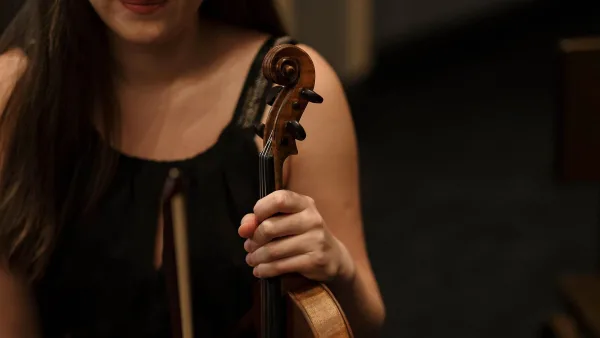
A Beginner's Guide to Concerto
One voice, one crowd, and a genuine musical conversation between them — here's the gentle way into the concerto.

Concerto and soloist performance
A concerto is a major classical form featuring a solo instrument with orchestral accompaniment, often designed to showcase both technical command and musical expression. For UK musicians, concerto repertoire is central to advanced instrumental study, recital preparation and orchestral performance. It brings together virtuosity, dialogue and large-scale structure in a single work.
Instruments and interpretation
Concertos are written for many instruments, including piano, violin, cello, trumpet and flute, each with its own technical demands. Players need reliable technique, precise timing and the ability to project clearly over an ensemble. Practice instruments, sheet music stands, metronomes and performance-ready accessories all support effective concerto preparation.
Rehearsal, study and performance use
The concerto remains one of the most important forms in classical music because it combines individual spotlight with ensemble collaboration. Whether studying a set work, preparing for an exam or performing with orchestra, concerto playing requires musical sensitivity and stamina. It is a category that supports serious practice, formal performance and long-term instrumental development.

Tango
Tango is a dramatic dance music style with strong rhythm, expressive phrasing and a distinctive emotional intensity.

Barbershop
Barbershop is a close-harmony vocal style with bright chords, precise ensemble blend and a classic a cappella sound.

Samba
Brazilian rhythm-led genre with rich percussion, syncopation and strong live energy for ensembles and carnival-style per...

Gothic
Gothic music spans dark, dramatic styles across rock, metal and alternative scenes. It links music, mood and visual iden...

Avant Garde
Avant garde music pushes beyond familiar styles with experimental sounds, unusual structures and sonic risk-taking.

Glitch
Glitch is an experimental electronic genre built from clicks, skips and digital artefacts. It suits adventurous producer...

Calypso
Calypso is a rhythmic Caribbean style built on storytelling, vocals and lively percussion with strong cultural roots.

Phonk
Phonk is a dark, sample-led style built on heavy bass, chopped textures and gritty beats.

Americana
Americana blends folk, country, blues and roots rock into storytelling-led music with an acoustic, lived-in feel.

Meditation Music
Calm, slow-moving music for mindfulness, relaxation, yoga and peaceful listening environments.

Minimalism
Minimalism uses repetition, gradual change and sparse materials to create focused contemporary music.

Symphony
Symphony covers large-scale orchestral works with structured movements, rich instrumentation and formal classical writin...


