


Concerto roundup
The Best Concerto Songs Right Now
This repertoire doesn't have songs in the pop sense — but it has movements so beloved they've effectively become the equivalent.
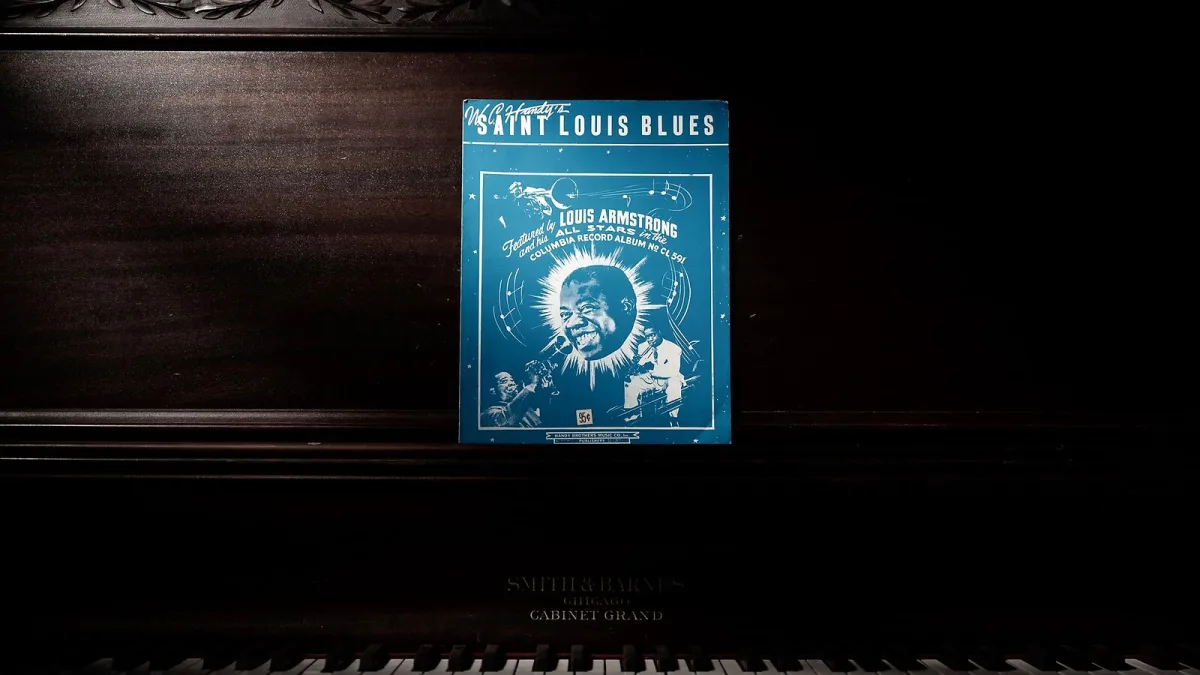
Let me be honest about the terminology before we go any further: what people are really searching for when they look for the best concerto songs doesn't really involve "songs" in the pop sense. What it has are individual movements and passages so beloved that they've effectively become the equivalent — excerpts audiences ask for by name, played and loved independently of the full forty-minute work they belong to. Those are what we're gathering here.
Why "Concerto Songs" Needs a Little Translation
A concerto is built from several movements, usually three, each running several minutes and forming part of one larger design. Most listeners don't hum "the second movement of Rachmaninoff's Piano Concerto No. 2" the way they'd hum a chorus — but they absolutely recognise the tune the moment it starts. That's the sense in which this list works: not standalone singles, but the specific movements and moments that have broken free of their surrounding structure in the public imagination.
The Movement Everyone Recognises: "Spring" from The Four Seasons
If any single piece of this repertoire counts as a genuine "hit," it's the opening movement of Vivaldi's The Four Seasons. Bright, immediately hummable, and used constantly in film, television and advertising, it's the one excerpt from this whole tradition that most people can identify within a few bars, even without knowing its name.
The Big Romantic Openings
Several Romantic works announce themselves so dramatically that the opening alone has become the calling card for the whole piece:
- Tchaikovsky's Piano Concerto No. 1 — those opening horn calls and crashing piano chords are instantly recognisable, even to listeners who couldn't name the composer.
- Grieg's Piano Concerto — a similarly dramatic opening flourish that's become one of classical music's most quoted gestures.
- Rachmaninoff's Piano Concerto No. 2 — its rich, expansive main theme has been borrowed by film scores and popular songs alike for decades.
None of these openings work quite the same way out of context, but they've each earned an independent life beyond the full performance.
The Slow Movements Worth Knowing on Their Own
It's not always the fast, flashy sections that stick. Slow movements from Mozart's piano concertos are frequently excerpted for their sheer lyrical warmth, valued for a stillness that the surrounding faster movements don't attempt. If you only have a few minutes and want the emotional core of this repertoire without the full commitment, a slow movement is usually the right place to look.
The Cadenza Moment
Within almost any of these movements sits a smaller highlight worth knowing about on its own terms: the cadenza, where the orchestra drops away and the soloist performs alone. It's the closest thing this tradition has to an instrumental solo break, and it's often the single most memorable few minutes of an entire performance, regardless of which piece it belongs to.
How to Actually Explore This List
Rather than hunting down isolated clips, use these excerpts as doorways into the full pieces they come from:
- Start with "Spring," since it's the most immediately familiar entry point.
- Listen to the whole first movement of Tchaikovsky's Piano Concerto No. 1, not just the famous opening.
- Sit with one full Mozart slow movement, uninterrupted, to hear what the "on its own" excerpt loses out of context.
Once a particular movement grabs you, our guide to essential concerto albums points you towards specific recordings, and the best concerto artists to know introduces the composers and performers behind them.
A Note for Anyone Starting From Zero
If terms like "movement" and "cadenza" are still unfamiliar, this probably isn't the place to start. Our beginner's guide to the concerto lays out the basics first, and this list will make considerably more sense once you've read it.
The Bottom Line
There's no fresh weekly chart of concerto songs to chase here, and no real equivalent of a three-minute pop single. What there is instead is a small, remarkably durable set of movements and moments that keep finding new listeners — proof that a great tune doesn't need a chorus to become genuinely beloved.



Comments