


Classical Music roundup
The Best Classical Music Songs Right Now
No charts, no release dates: a mood-based guide to the essential classical pieces that keep turning up in films, adverts and concert halls.
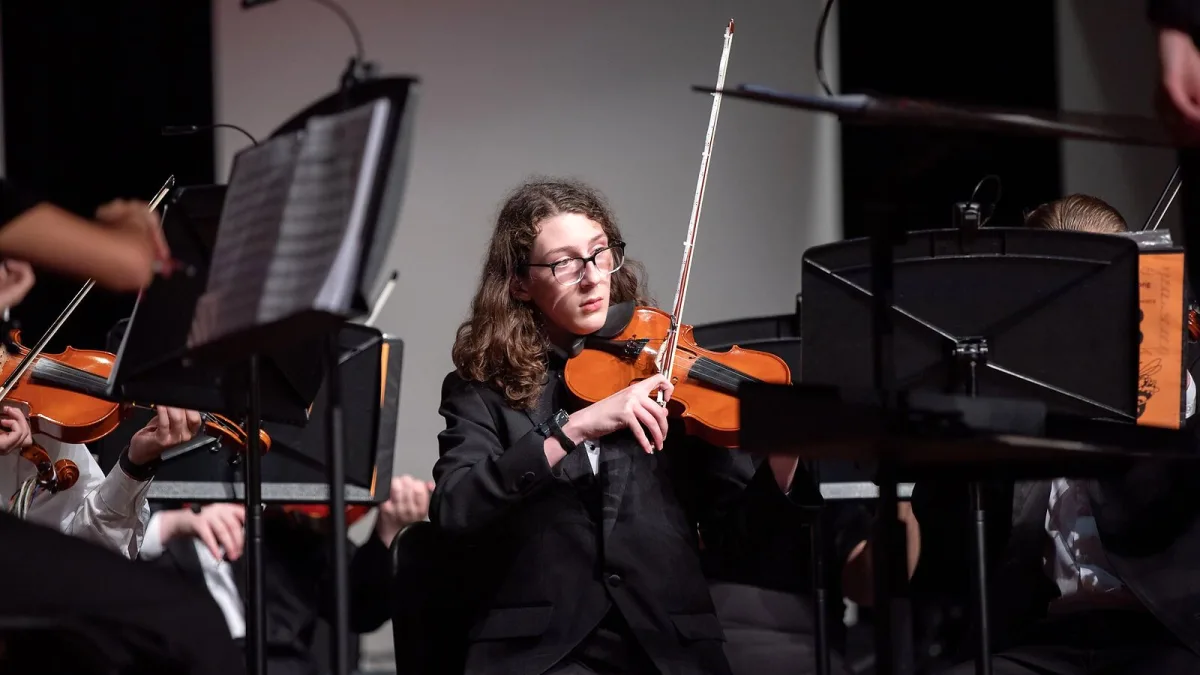
Classical musicians rarely call them “songs” — the word of choice is usually piece, since most of this repertoire has no lyrics at all. Whatever you call them, this is a list of essential classical pieces that never really go out of style: no charts, no release dates, just the works that keep turning up in films, adverts and concert programmes because they simply work. Organised by mood rather than by era, it's built to be dipped into rather than worked through in order.
Grand and Dramatic Openings
- Beethoven — Symphony No. 5, first movement: four notes that may be the most recognisable opening gesture in the whole repertoire.
- Orff — “O Fortuna” from Carmina Burana: a thunderous choral opening built around the idea of fate's spinning wheel, now a fixture of trailers and adverts.
- Wagner — “Ride of the Valkyries”: a blazing orchestral episode from his opera cycle Der Ring des Nibelungen.
Joyful and Uplifting
- Vivaldi — “Spring” from The Four Seasons: bright, birdsong-flecked violin writing that's become the default sound of renewal.
- Beethoven — “Ode to Joy” from Symphony No. 9: a choral finale built around a theme of universal brotherhood, later adopted as the anthem of the European Union.
- Mozart — Eine kleine Nachtmusik: a short, effortlessly charming piece for string ensemble, one of Mozart's most instantly likeable classical pieces.
Quiet and Reflective
- Debussy — Clair de Lune: a gently shifting piano piece named for moonlight, and one of the most-streamed classical pieces of the last decade.
- Bach — Air on the G String: a slow, lyrical arrangement drawn from one of his orchestral suites.
- Barber — Adagio for Strings: a single sustained melodic line that has become almost shorthand for on-screen grief.
Virtuosic and Show-Stopping
- Rachmaninoff — Piano Concerto No. 2: sweeping, technically punishing writing that remains a favourite showcase for concert pianists.
- Rimsky-Korsakov — “Flight of the Bumblebee”: a frantic, rapid-fire orchestral interlude, often used to demonstrate a soloist's sheer speed.
- Paganini — Caprice No. 24: a solo violin work so demanding that its theme has been borrowed by composers ever since.
Vocal and Operatic Highlights
- Handel — “Hallelujah” chorus from Messiah: the moment audiences have traditionally stood for since its earliest performances.
- Puccini — “Nessun Dorma” from Turandot: an aria built around a single soaring high note, and one of opera's most-borrowed pieces of classical music.
- Bizet — “Habanera” from Carmen: a sultry, instantly hummable aria that introduces one of opera's most famous characters within her first few minutes on stage.
Playful and Mischievous
- Rossini — William Tell Overture, finale: a galloping brass fanfare familiar from decades of cartoons and adverts, taken from an opera most people have never actually seen.
- Grieg — “In the Hall of the Mountain King” from Peer Gynt: a theme that starts almost silently and builds, step by step, into a frantic orchestral chase.
- Prokofiev — “Dance of the Knights” from Romeo and Juliet: a heavy, ominous ballet theme that has become shorthand for menace on screen.
None of these need an opera house or a ballet stage to land — they work perfectly well as three-minute pieces of classical music on their own, which is exactly why they've escaped into film and television so often.
Building Your Own Starter Playlist
You don't need to work through this list in order, and you certainly don't need all of it in one sitting. A sensible approach is to pick one piece from each mood above, listen properly with no other distractions, and note which category kept pulling you back in — dramatic, joyful, reflective or virtuosic. That preference is a far better guide to what to explore next than any ranked list. If you'd like a broader introduction to the periods and forms behind these pieces, our beginner's guide to classical music covers that ground, and our guide to essential classical music albums is the natural next step once a short piece has you wanting a full work.
Why “Right Now” Doesn't Really Apply Here
Unlike a pop chart, this repertoire doesn't really have a “now” in any meaningful sense. Every piece above is decades or centuries old, and every one of them is still being performed, recorded and rediscovered by new listeners today, which is precisely why it earns a place on a list of essential classical pieces rather than a fleeting one.
There's also no single official canon dictating which classical pieces count as essential and which don't — different orchestras, teachers and broadcasters would all draw the line slightly differently. Treat this list as a well-tested starting shortlist rather than a final word, and don't be surprised if your own favourites shift once you've spent a bit more time with the repertoire.



Comments