


Classical Music roundup
The Best Classical Music Artists to Know
A working shortlist of essential classical composers, from Baroque trailblazers to modern figures and names standard lists too often leave out.
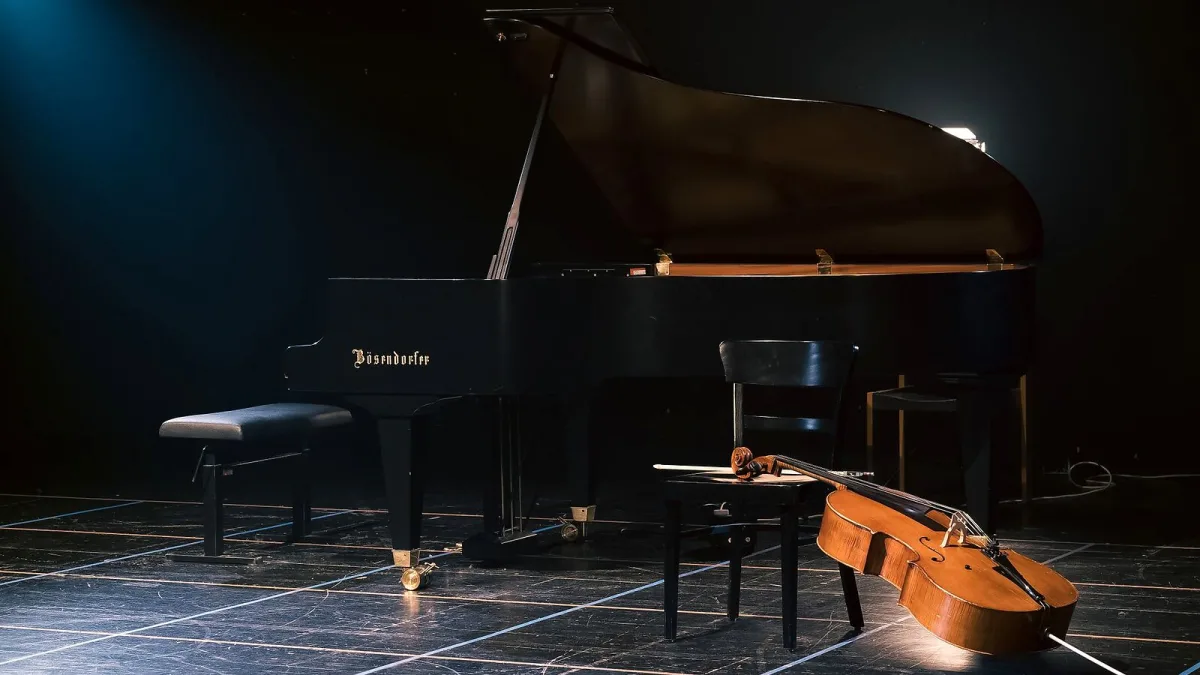
When people ask which classical music artists they should actually know, they usually mean composers rather than performers — the names behind the notes, not just the players on stage. That's the focus here: a working shortlist of classical composers spanning roughly four centuries, chosen because their music is still performed constantly and their influence still shapes what comes after them. Think of it as a set of introductions rather than a ranked league table.
Baroque Trailblazers
Johann Sebastian Bach
Bach's mastery of counterpoint — weaving several independent melodic lines together so they combine into a coherent whole — remains a benchmark for composers to this day. His output spans keyboard works, orchestral suites, the Brandenburg Concertos and a huge body of sacred choral music written for church services in Leipzig.
George Frideric Handel
German-born but based for decades in London, Handel became the leading figure in English oratorio — a large work for voices and orchestra performed without staging. His Messiah, composed in a famously short burst of creativity, remains one of the most frequently performed works in the entire repertoire.
Antonio Vivaldi
An Italian priest as well as a composer, Vivaldi wrote hundreds of concertos and helped establish the format's basic dynamic: one or more soloists set against the full ensemble. His four violin concertos known collectively as The Four Seasons are among the most recognisable pieces of classical music anywhere in the world.
The Classical Period's Great Three
Joseph Haydn, Wolfgang Amadeus Mozart and Ludwig van Beethoven dominate any list of essential classical composers from the late 18th and early 19th centuries. Haydn shaped the symphony and the string quartet into their mature, enduring forms. Mozart combined that same structural clarity with an almost effortless-sounding gift for melody, across opera, concerto, symphony and chamber music alike. Beethoven, who studied briefly with Haydn, took those same Classical forms and expanded them — in length, in emotional range, in sheer ambition — until his later symphonies effectively pointed the way towards Romanticism.
Romantic Voices
Franz Schubert wrote an extraordinary quantity of songs and chamber music in a tragically short life, packing enormous feeling into intimate forms. Frédéric Chopin, working almost exclusively for solo piano, expanded what the instrument could express. Richard Wagner rebuilt opera around continuous music and recurring themes tied to characters and ideas. Johannes Brahms held firm to older structures even as the musical language around him grew more expansive. Pyotr Ilyich Tchaikovsky fused that Romantic sensibility with Russian melodic colour across ballet, symphony and concerto.
Modern and Contemporary Figures
Claude Debussy dissolved traditional harmony into shimmering orchestral colour, a style often labelled musical Impressionism. Igor Stravinsky moved through several dramatically different phases across his career, starting with the rhythmic upheaval of The Rite of Spring. Dmitri Shostakovich composed symphonies and chamber works that had to satisfy both artistic instinct and the demands of the Soviet state. None of these classical composers sound remotely alike, which is itself a useful reminder that “modern classical” isn't a single sound.
Composers Standard Lists Often Leave Out
Older introductory lists of classical composers lean heavily on a narrow set of European men, and that picture has been correcting itself. Hildegard of Bingen, a 12th-century abbess, is one of the earliest named composers whose music survives at all. Clara Schumann and Fanny Mendelssohn were accomplished composers in their own right, not just relatives of better-known men. Joseph Bologne, Chevalier de Saint-Georges, a violinist-composer of mixed French and African descent, was a celebrated figure in 18th-century Paris. Florence Price became, in the 20th century, one of the first Black American women to have a symphony performed by a major orchestra. Each is worth seeking out directly rather than as a footnote.
The Performers Who Keep Them Alive
A composer's score is only half the story. Conductors, soloists and orchestras interpret the same notes very differently from one another — choosing their own tempo, phrasing and balance — which is why two recordings of the same Beethoven symphony can sound like genuinely different pieces of music. Some ensembles favour a “historically informed” approach, using instruments and playing techniques closer to what the composer would have known; others use the full weight of a modern symphony orchestra. Neither approach is simply correct, and part of getting to know these classical composers properly is hearing more than one performer's take on a favourite work.
Where to Hear Them Next
Names on a page only go so far. For specific recordings built around several of these composers, our guide to essential classical music albums is the logical next stop, and our pick of essential individual pieces gives shorter entry points if a full symphony feels like a big first step. If you want the historical thread that connects all these figures, see our history of classical music; if you're starting from scratch entirely, our guide for newcomers is the gentler route in.
No shortlist of classical composers is ever complete or beyond argument — that's part of the fun of the repertoire. Treat this as a set of doors rather than a closed canon, and follow whichever name grabs your attention first.


Comments