


Classical Music article
Essential Classical Music Albums Explained
The essential classical music albums worth knowing, era by era, and a practical guide to choosing between the many recordings of each.
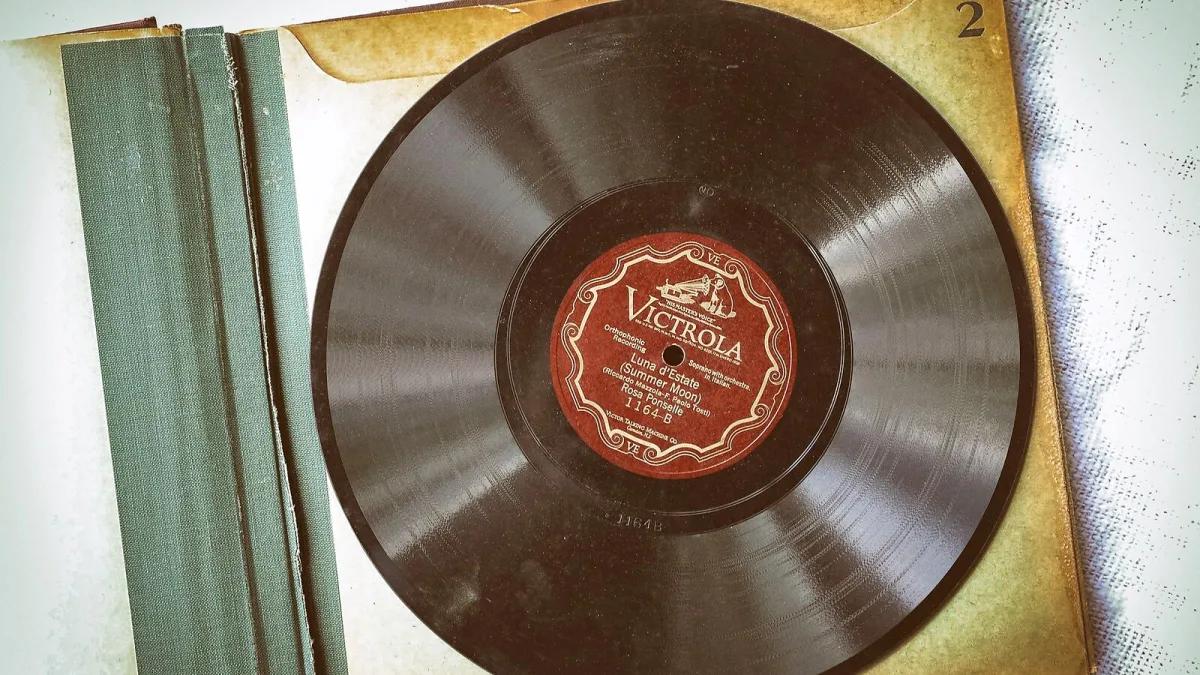
The word “album” does something slightly different in classical music than it does in pop. Rather than a collection of separate songs, a classical album is usually a single recorded performance of one substantial work — a symphony, a concerto, an oratorio — or a themed collection built around one composer or period. Here are the essential classical music albums, in that sense, that keep coming up for good reason, organised by era, along with what actually separates one recording of them from another.
What Counts as an “Album” Here
Because so much classical repertoire predates recorded sound entirely, there's no single “original release” the way there is for a rock LP. What exists instead is the work itself, captured again and again by different orchestras, soloists and conductors over the decades. When we talk about essential classical music albums below, we mean the works, not any one specific pressing or edition — you'll find dozens of recordings of most of these under any major streaming service or label.
Baroque Essentials
- Bach — The Brandenburg Concertos: six concertos for varying combinations of instruments, still a benchmark recording project for any Baroque ensemble.
- Vivaldi — The Four Seasons: four violin concertos, each evoking a season through vivid, almost pictorial orchestral writing.
- Handel — Messiah: the best-known oratorio in the repertoire, built around the birth, death and resurrection of Christ, and a fixture of concert programming every winter.
Classical-Period Landmarks
- Mozart — the late symphonies: particularly No. 40 and No. 41 (“Jupiter”), often paired on a single recording as a snapshot of his mature symphonic style.
- Haydn — the London Symphonies: a set written for his visits to England, showing the symphony at its Classical-period peak.
- Beethoven — Symphonies Nos. 5 and 7: frequently released together, and about as good a pairing as exists for hearing Beethoven's dramatic range in one sitting.
Romantic Masterworks
- Tchaikovsky — Swan Lake: a complete ballet score, rich with the melodic writing that made Tchaikovsky's reputation well beyond the concert hall.
- Chopin — the Nocturnes: a set of intimate solo piano pieces, usually collected as a single recording and an ideal way into Chopin's world.
- Brahms — the symphonies: often released as a complete cycle by one orchestra, useful for hearing how his style developed across four works.
Twentieth-Century Landmarks
- Stravinsky — The Rite of Spring: the ballet score whose 1913 Paris premiere famously caused a near-riot, still startling for its rhythmic force.
- Holst — The Planets: a seven-movement orchestral suite, each movement named for a planet and its astrological character.
- Shostakovich — Symphony No. 5: written under intense political pressure in the Soviet Union, and one of the most-performed symphonies of the last century.
How to Choose Between Recordings
Once you've settled on a work from the classical music albums above, the real decision is which recording of it to reach for, and that's where personal taste comes in.
| What to compare | Why it matters |
|---|---|
| Tempo and phrasing | The same score can sound urgent or spacious depending on the conductor's choices. |
| Historical vs modern instruments | “Historically informed” recordings use instruments and techniques closer to the composer's own era; others use a full modern orchestra. |
| Recording venue and sound | Concert-hall acoustics and recording quality shape how the balance between sections comes across. |
| Soloist or conductor reputation | Well-regarded interpreters often bring a distinctive, recognisable approach worth seeking out. |
A newer recording is not automatically superior to an older one, and there is rarely a single “correct” version — part of the enjoyment of building a classical collection is comparing two or three interpretations of a piece you already love.
Chamber and Solo Recordings Worth Knowing
Not every essential recording needs a full orchestra. Smaller-scale works reward close, repeated listening in a way that's harder with a 40-minute symphony.
- Bach — the Cello Suites: six unaccompanied works that remain a staple of every cellist's repertoire and a common entry point for newcomers to Bach.
- Beethoven — the late string quartets: written in his final years, dense and inward-looking, and regarded by many performers as among his greatest achievements.
- Schubert — Winterreise: a song cycle for voice and piano, following a rejected lover's bleak winter journey, and a landmark of the art-song tradition.
These sit at a different scale to the orchestral works above, but they belong on the same list of essential recordings — often the more intimate the setting, the more a single listen can reveal.
Building Out From Here
These essential classical music albums pair well with our broader guide to essential classical composers if you'd like more background on the people behind them, and with our pick of individual pieces if a full-length symphony feels like too much of a commitment for a first listen. For the wider historical picture, see our history of classical music.




Comments