


Studio Desk roundup
The Best Studio Desks for the Money
No invented rankings, just an honest look at what you actually get at each studio desk price tier, and who each one suits.
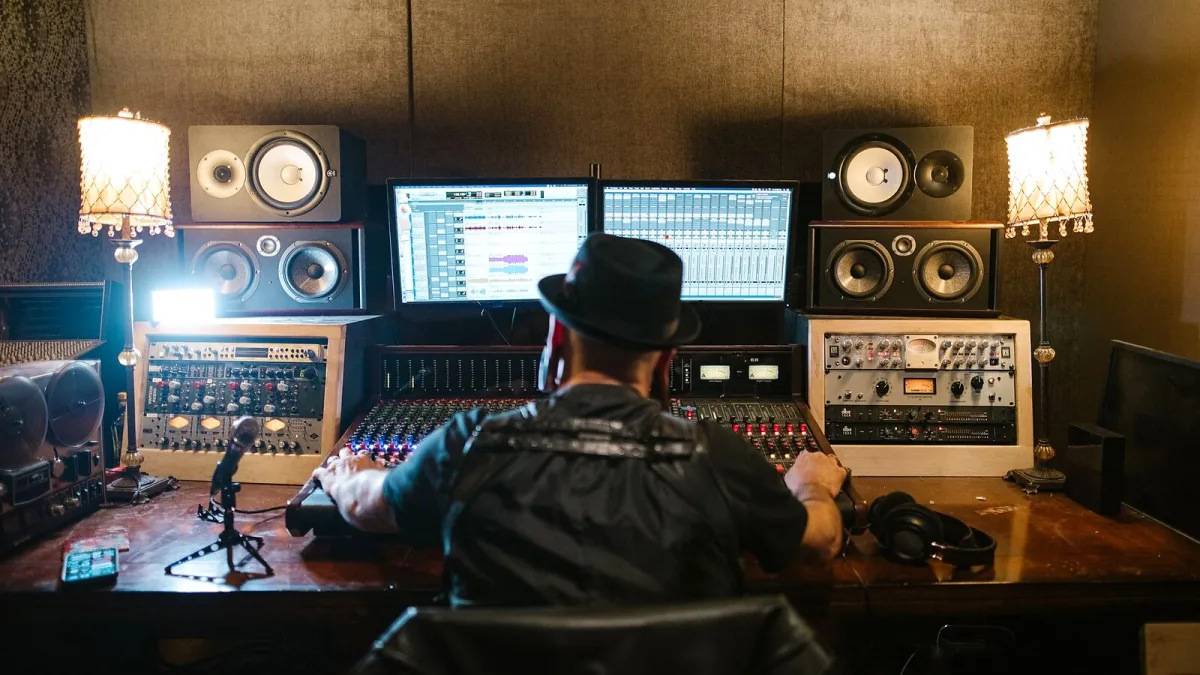
I get asked this a lot by mates setting up their first proper corner of a bedroom or box room: what's actually worth spending on a studio desk, and where can you save? There's no single "best" desk here — no invented rankings, no fake shoot-outs — just an honest breakdown of what you get at each price tier, and which type of producer each tier actually suits.
Entry-Level: The Bare Minimum Tier
At this end you're not really buying a studio desk so much as general computer furniture with maybe a shallow upper shelf, which is a fair place to start if you're not sure you'll stick with production. It'll hold a laptop, an interface and a small MIDI keyboard, but don't expect proper cable routing or a rack bay. This tier suits:
- Someone starting out with a laptop, one small interface and headphones
- A spare-room setup where money's going into monitors or acoustic treatment instead
- Anyone testing whether they'll actually stick with production before investing further
The trade-off is real: you'll likely outgrow it within a year or two if you keep adding gear, and monitor placement is often an afterthought at this price.
Mid-Range: Dedicated Home-Studio Desks
This is where purpose-built studio furniture starts properly, and it's the sweet spot for most home producers. Expect a recessed or adjustable keyboard tray, a monitor shelf, basic cable management and a sturdier frame than the entry tier. MusicRadar's own coverage of studio furniture notes that even compact dedicated desks commonly start upwards of $150–$200, and this tier is where that starting point sits.
Who it suits:
- Producers running a full DAW setup with a MIDI keyboard, audio interface and a pair of monitors
- Anyone who's committed to the hobby or the side-hustle and wants gear that'll last
- Bedroom studios where the desk also has to look presentable in a shared living space
Upper-Mid: Serious Producer Territory
Here you start seeing genuinely considered monitor geometry — shelves designed around correct speaker spacing rather than just "somewhere to put them" — plus proper rack bays, better cable channels and noticeably stiffer frames that don't flex under a control surface. Some options in this range offer sit-stand mechanisms too, though check the monitor-height implications before you buy one for that reason alone.
Who it suits:
- Anyone running outboard gear — preamps, compressors, a headphone distribution amp
- Producers with a control surface or larger MIDI controller who need real desk space
- People who've been burned by a flimsy desk before and want it built properly this time
Top Tier: Modular and Custom Furniture
Beyond this point you're generally into modular systems or custom-built furniture, sized around your specific gear rather than a generic layout. This is the territory for large-format mixers, multiple synths and hybrid analogue/digital setups where a standard desk simply won't fit the equipment list. It's a genuine investment, and one that only makes sense once your setup is settled enough to build around.
How Much Studio Desk Do You Actually Need?
The honest answer is: usually less than the flashiest listing suggests. I've mixed perfectly good records from a desk that cost next to nothing, because the monitors were spaced correctly and the room behind them was treated properly. A studio desk is infrastructure, not a status symbol — spend where it changes your daily workflow, and don't feel bad about saving everywhere else.
Where to Actually Spend the Extra Money
If you're choosing where a slightly bigger budget goes, prioritise in this order:
- Correct monitor spacing and shelf strength — this affects what you hear every single day
- Frame rigidity — a wobbly desk is a daily annoyance that never goes away
- Cable management — less exciting, but it saves hours over the desk's lifetime
- Extra rack space — only worth paying for if you actually own rack gear to fill it
Skip paying extra purely for cosmetic finish or brand name — a well-built plain desk beats a good-looking flimsy one every time you sit down to mix.
A Word on "Best Of" Lists
Plenty of roundups online rank specific models, and some are genuinely useful. Just treat any list with named products as a starting point for research, not gospel — retailer and affiliate rankings can reflect commercial relationships as much as hands-on testing. Check specs against your own measurements before trusting anyone's "best" claim, including this one — the right studio desk is the one that fits your actual gear and your actual room, not the one topping someone else's list.
My Honest Take
If you want my genuinely honest steer: buy one tier above what feels necessary right now. A studio desk is one of the few pieces of gear you won't feel tempted to upgrade every year, so it's worth getting comfortably ahead of your current setup rather than exactly matching it. For the full rundown of what to look for regardless of budget, our buyer's guide is the one to read next, and if you're new to all this, the beginner's guide is a gentler starting point. The full explainer covers the technical side in more depth, and it's worth checking the mistakes people commonly make before you spend anything at all.





Comments