


Studio Desk roundup
Studio Desk: A Complete Buyer's Guide
A practical checklist for buying a studio desk — the measurements, the features worth paying for, and the questions to ask before you commit.
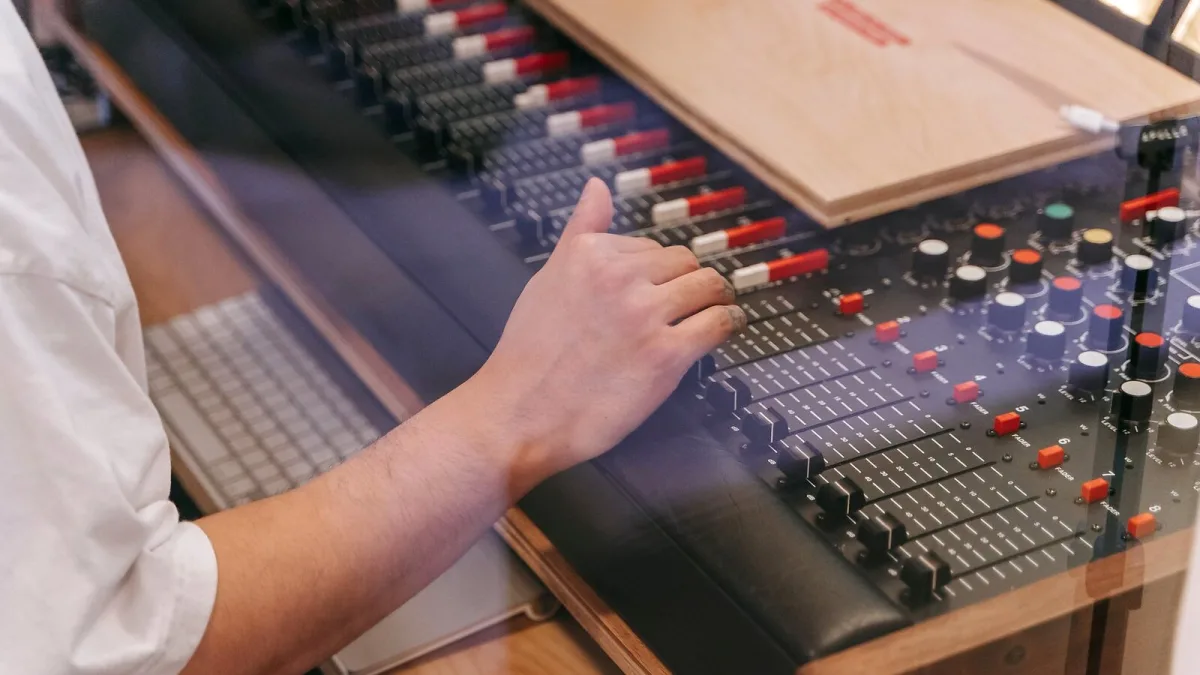
Buying a studio desk is one of those purchases that's easy to get wrong quietly — nothing looks broken, you just never quite feel settled at it. This guide is a practical checklist for choosing one: the measurements to take before you shop, the features that actually earn their keep, and the questions worth asking before you hand over any money.
Start With Your Equipment, Not the Desk
Before you look at a single product listing, measure what you already own:
- Width of your monitor or monitors, including any wall mounts
- Footprint of your MIDI keyboard or pad controller
- Depth of your audio interface and how far its cables protrude from the back
- Footprint of your studio monitors, including stands or isolation pads
- Height, in rack units, of any outboard gear you plan to mount
Buy for the setup you'll realistically have in eighteen months, not just what's plugged in today. A desk that's slightly too big is an inconvenience; one that's too small gets outgrown within a year.
Studio Desk Dimensions to Check
Guides differ on exact numbers, but a rough rule of thumb for a computer-based setup runs from about 48 inches of width for a laptop-only rig up to 70 inches or more once you add a full-size controller, monitor stands and an outboard mixer. Treat these as a starting point for shortlisting, not a spec to hunt down exactly — your own gear list is the real measure.
The Non-Negotiables
Whatever style you land on, don't compromise on these:
Room for Correct Monitor Spacing
Your two monitors need to sit level, evenly spaced either side of your screen, close enough to form a workable equilateral triangle with your listening position. A desk that only allows a narrow central shelf can force them too close together — check this before anything else.
A Stable Top
Press down firmly on a display model, or ask for the panel thickness and frame material if you're buying online. A wobbly desk transmits vibration into your monitors and your patience in equal measure.
Enough Depth for Cable Bend
Cables don't like sharp bends. Whatever depth looks right for your gear, add a few extra centimetres at the back for XLR, USB and power leads to curve without straining their connectors.
A Genuinely Comfortable Keyboard Height
Sit at any candidate desk, real or in a showroom, with your hands where your keyboard or controller would be. Shoulders should stay relaxed and wrists roughly level — don't take a spec sheet's word for this over your own body.
Fixed, Modular or Sit-Stand: Which Should You Buy?
| Ask yourself | Points toward |
|---|---|
| Do I mostly sit through long mixing sessions? | Fixed-height |
| Do I switch between editing and playing a controller standing up? | Sit-stand |
| Do I run a large-format mixer or several synths? | Modular or custom |
| Am I working from a laptop with minimal peripherals? | A compact ready-made desk |
If a sit-stand frame appeals, check specifically how raising the desk affects your monitor height relative to your ears when standing — some buyers only discover this mismatch after the desk arrives.
Materials and Build Quality
Don't judge a desktop by wood versus MDF alone; a well-braced MDF top with a solid frame will outperform a poorly built "solid wood" one. Instead, check:
- Frame material — steel generally resists flex better than thin aluminium extrusions
- Whether the rack rails (if fitted) are load-rated for what you intend to hang on them
- Whether a keyboard tray glides smoothly and locks securely when extended
- The manufacturer's stated weight capacity for the monitor shelf specifically, not just the whole desk
What You Get at Each Budget
Compact dedicated studio desks commonly start upwards of $150–$200, according to MusicRadar's studio-furniture coverage, with larger modular or professional systems costing considerably more. At the lower end, expect a simple fixed frame with basic cable routing; move up and you'll typically find a proper monitor shelf, an integrated rack bay and sturdier construction. Custom and modular furniture sits at the top of the range, built to your exact gear list rather than a generic layout.
Warranty and After-Sales
A studio desk is furniture you'll sit at for years, so it's worth treating the warranty as a genuine part of the decision rather than small print. Ask what's covered on moving parts specifically — a keyboard tray's glides or a sit-stand frame's motor are the components most likely to wear — and whether the seller stocks spares for the model you're considering. A longer warranty on the frame is a reasonable proxy for how confident the maker is in its own build quality.
Questions Worth Asking Before You Buy
- Does the monitor shelf or bridge actually fit my speakers, or only the manufacturer's own brand?
- What's the warranty on the frame and any moving parts, like a keyboard tray?
- Can I return it if the depth turns out to be wrong for my room once it's built?
- Are replacement parts (cams, rails, glides) available if something wears out?
The Bottom Line
A good studio desk buying decision comes down to matching real measurements to a real desk, not chasing the longest feature list. If you'd like the fuller picture first, our ultimate guide to studio desks covers how all these features work together, and if this is your very first setup, the beginner's guide keeps the decision simpler still. Once you've narrowed things down by budget, the best options for the money breaks down what you get at each price tier, and it's worth a quick read of the mistakes other buyers commonly make before you commit.





Comments