


Studio Desk article
Studio Desk for Beginners: A Complete Guide
A reassuring, no-jargon guide to your first studio desk — what actually matters, what to ignore, and how to just get started.
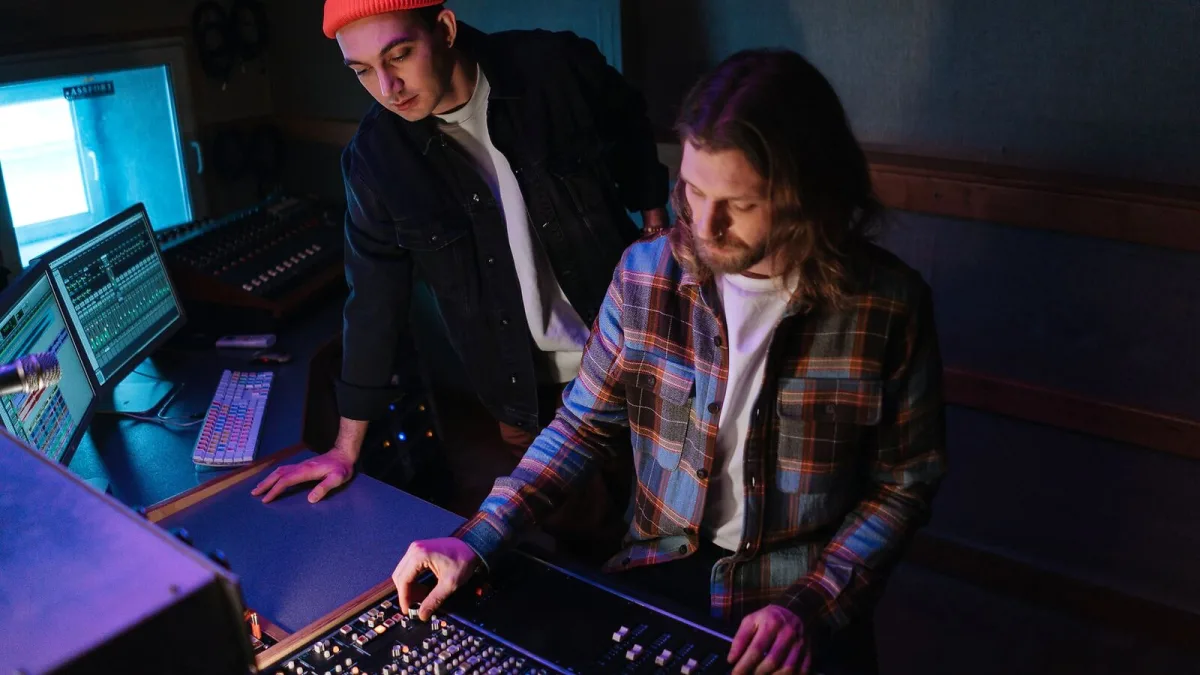
If you're setting up your very first recording space and feeling a bit overwhelmed by all the "essential features" other guides throw at you, take a breath. A studio desk really just needs to do three things well: hold your gear, keep your monitors in sensible positions, and stay out of your way while you work. Here's the simple version, with nothing assumed and nothing skipped.
You Probably Already Have What You Need to Start
Before you buy anything, look at what's actually in front of you. A laptop, a small audio interface, maybe a pair of headphones and a basic MIDI keyboard — that's a complete beginner setup, and any sturdy desk will hold it. You don't need a dedicated studio desk to make your first tracks. You need somewhere flat, stable and comfortable to sit.
The Three Things That Actually Matter
1. Can You Reach Everything Comfortably?
Sit down and mime using your gear. Is your keyboard within easy reach? Can you see your screen without craning your neck? If something feels awkward for five minutes, it'll feel much worse after two hours.
2. Are Your Speakers Roughly Level and Even?
If you're using studio monitors rather than headphones, try to get them the same distance from you, facing inward slightly, at roughly ear height when you're seated. Don't worry about getting this perfect on day one — "roughly right" beats "not thought about at all" by a mile.
3. Is There Somewhere for the Cables to Go?
Even a simple desk with a cutout at the back for cables saves you from a tangle under your feet. It's a small thing, but it's the difference between an inviting space and one that stresses you out before you've even opened your software.
Common Beginner Worries, Answered
- "Do I need a monitor shelf or bridge?" Not to start. It can help later, but plenty of good work happens with monitors simply placed either side of a screen.
- "What if I can't afford proper studio furniture yet?" A stable, ordinary desk with enough surface space is genuinely fine while you're finding your feet. Upgrade when your gear list grows, not before.
- "Should I worry about rack space?" Only once you own something that needs racking — a beginner setup rarely does.
Where in the Room Should It Go?
If you have any choice at all, try to avoid tucking your studio desk right into a corner or hard against a wall behind you — corners tend to build up bass that muddies what you hear. A spot roughly a third of the way into the room, with a bit of space behind your head, will usually sound noticeably clearer than a desk jammed into the tightest available corner. It won't always be possible in a small bedroom, and that's fine — just know it's a factor if your mixes ever sound boomy and you can't work out why.
Budgeting for Your First Setup
You do not need to spend a lot to get a sensible studio desk for your first year or two. A plain, stable desk with enough surface area will serve you well while you learn what actually matters to your own workflow — the keyboard height you prefer, how much desk depth you use, whether you even want a monitor shelf. Spend your money on monitors and acoustic treatment first; the desk can catch up once you know what you're catching up to.
A Gentle Word About Growing Into It
One thing worth knowing early: most people's home studios grow. A second monitor, a small mixer, an outboard preamp — it tends to creep up on you. If you're buying a proper studio desk for the first time, it's worth choosing one with a little more room than you need today, rather than the exact minimum. You'll thank yourself in six months.
What to Avoid as a Beginner
Don't fall into these traps:
- Buying the smallest, cheapest option and then feeling cramped within weeks
- Copying an expensive setup you've seen online before you know what you actually need
- Ignoring monitor placement completely — even a rough attempt makes a real difference to what you hear
- Overthinking it. A desk is meant to serve the music, not become a project in itself
Your First Few Weeks
Set your desk up, get your gear positioned sensibly, and start making things. You'll learn far more about what you actually need from a studio desk by using one for a month than by reading ten more guides beforehand. If a habit annoys you — the keyboard's too far, the cables keep catching your foot — that's useful information, not a failure. Fix the one thing, then keep going.
Where to Go Next
Once you've got a feel for your own habits, our complete buyer's guide is there for when you're ready to choose something more considered, and the full guide to studio desks covers all the detail if you're curious. If budget is on your mind, this breakdown by price is genuinely useful, and it's worth a quick look at common mistakes to avoid so you don't have to learn them the hard way. But for now — don't let any of it stop you from just getting started.




Comments