


Soundproof Panels article
Common Soundproof Panels Mistakes to Avoid
Soundproof panels are genuinely useful once you dodge a few honest mistakes. Here are the pitfalls that trip up almost everyone building their first home studio.
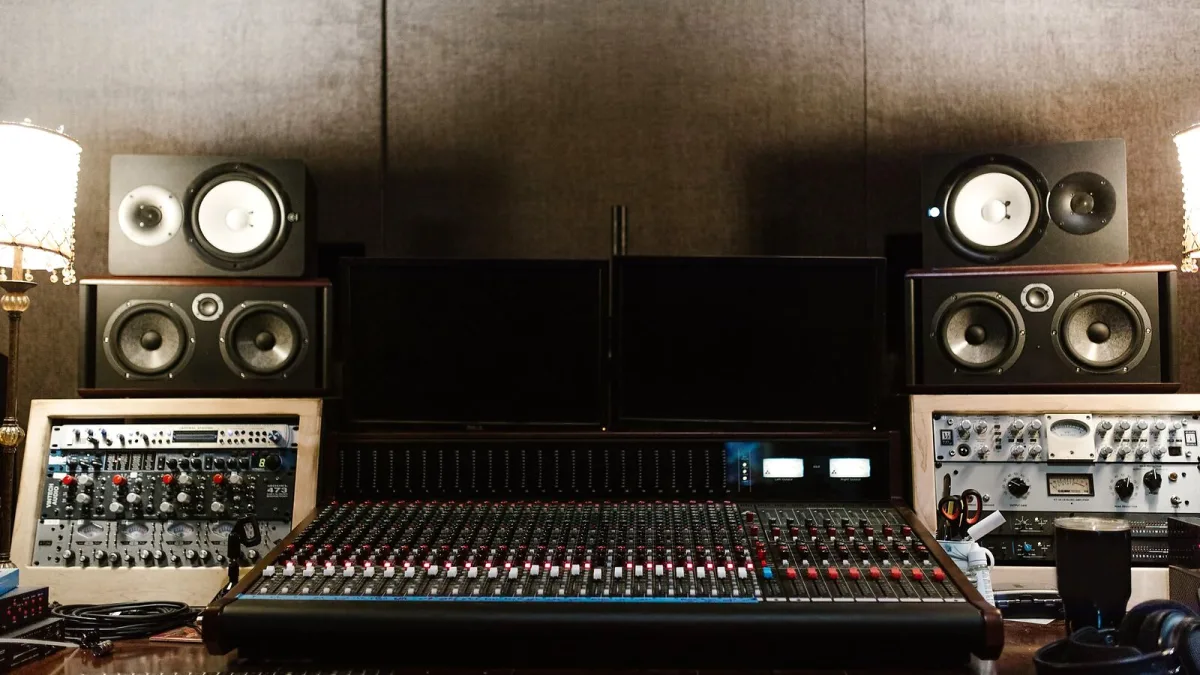
I've watched more than one home studio get built on a shaky assumption or two, and it usually starts here: someone buys a stack of foam expecting a miracle. Soundproof panels are genuinely useful, but only once you've dodged the handful of mistakes that trip up almost everyone the first time round. Here's what to watch for.
Mistake 1: Buying Them to Stop Sound Leaving the Room
This is the big one, and it's an honest mistake because the name practically invites it. Almost everything sold under this label is an absorption product — it tames reflections inside your room, it doesn't block sound from travelling through walls, doors or ceilings to the outside world. Genuine sound isolation needs mass, sealed gaps and decoupled construction. If your actual goal is keeping a drummer's practice from bothering the neighbours, panels alone will disappoint you.
Mistake 2: Covering Every Surface With Soundproof Panels
More absorption isn't automatically better. Treat every wall and ceiling and you can end up with a room that feels flat and lifeless — uncomfortable to sing or play in, and oddly unnatural on playback too. Leave some untreated surface or add a diffuser, which scatters sound rather than soaking it up, particularly on the rear wall.
Mistake 3: Ignoring Low Frequencies
Thin panels are doing very little below a couple of hundred hertz, whatever the packaging implies. Low-frequency problems — that boomy, muddy build-up in corners — need proper bass traps with real depth, not another layer of the same 2-inch broadband absorber. Skip this and your mixes may sound fine in your room and wrong everywhere else.
Mistake 4: Skipping the First-Reflection Points
Random placement wastes money. The first-reflection point is where sound from your speakers bounces once before reaching your ears, and it's found with a simple trick: sit at your mix position while someone slides a mirror along the wall, and wherever you see a speaker reflected, that's your spot. Panels stuck up without checking this do far less than the same panels placed correctly.
Mistake 5: Trusting the NRC Number Alone
NRC (Noise Reduction Coefficient) is a simplified absorption score based on selected midrange frequencies. It's fine for comparing similar products, but it says nothing about low-frequency performance and nothing at all about sound transmission through a wall. A high NRC rating on a box of soundproof panels is not evidence of soundproofing.
Mistake 6: Poor or Unsafe Installation
- Mounting fibrous panels without a proper frame or breathable cover, risking exposed fibres in the room.
- Hanging a ceiling cloud without secure, rated suspension — a genuinely dangerous shortcut.
- Covering vents, sockets or access points because a panel happened to fit there.
- Using the wrong wall anchors for the panel's actual weight.
Mistake 7: Expecting Foam to Do Everything
Foam is cheap, light and easy to fit, which is exactly why it gets over-relied on. It handles higher-frequency reflections reasonably well but does little for bass, and thin foam alone rarely solves a genuinely boomy small room. Mineral wool or fibreglass panels, plus proper bass traps, usually do more for the same wall space. Our buyer's guide compares the main materials properly if you're still deciding what to buy.
Getting It Right
None of these mistakes are complicated to avoid once you know they exist — know what problem you're actually solving, treat the right spots, don't overdo it, and budget for bass separately from the wall panels. For the full picture of how soundproof panels actually work, our overview guide is a solid next stop, and if this is your very first attempt at treating a room, our beginner's guide keeps things simple.





Comments