


Soundproof Panels article
Soundproof Panels for Beginners: A Complete Guide
Just starting to treat your first recording space? Here's a gentle, honest introduction to soundproof panels – what they'll do for you, and where to begin.
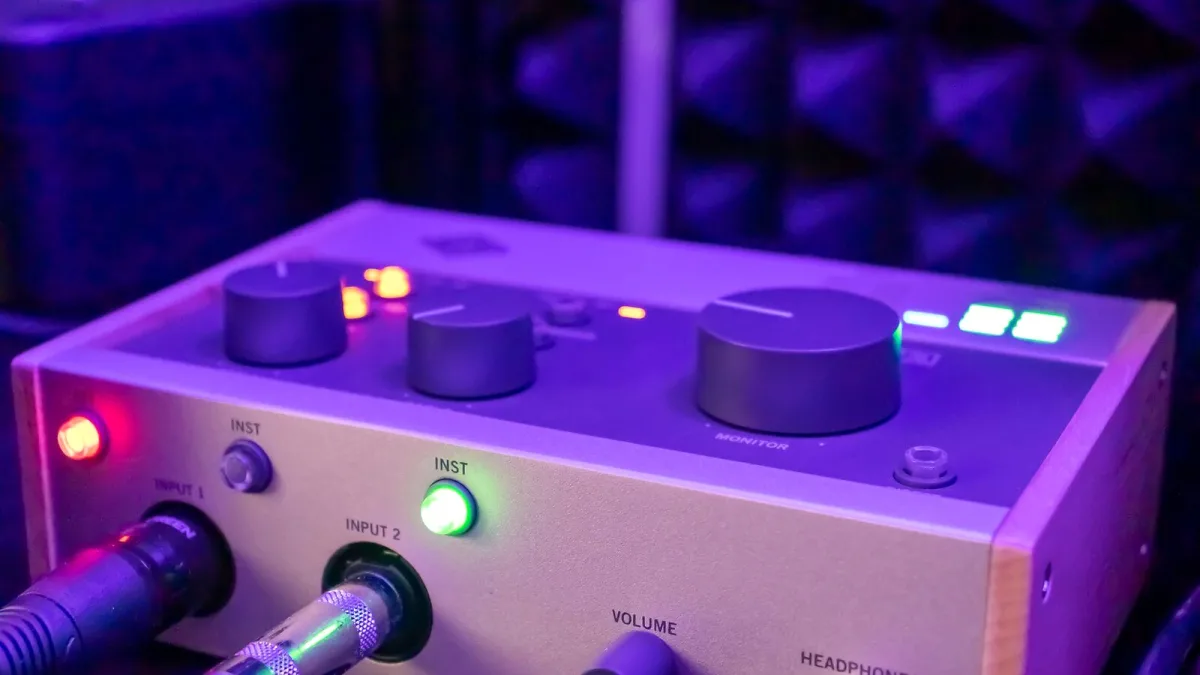
If you've just started looking into treating your first little recording space, welcome — and take a breath, because this is much less complicated than it looks. You don't need a degree in acoustics, and you definitely don't need to buy everything on the first page of search results. Let's go through this gently, one honest step at a time.
Wait — Will These Stop My Neighbours Hearing Me?
This is the question almost everyone asks first, so let's clear it up kindly and honestly: probably not, and that's alright. Most soundproof panels are actually acoustic absorption panels, which is a fancy way of saying they tidy up the sound bouncing around inside your room rather than blocking it from travelling through walls. If stopping noise reaching a neighbour is your main worry, that's a different and much bigger job involving mass and sealed gaps, not something a few panels on a wall will solve.
So What Will Soundproof Panels Actually Do for Me?
Quite a lot, as it happens. They calm down echo, reduce that boxy or "boomy" sound untreated rooms often have, and make your recordings and mixes noticeably more accurate. If you've ever recorded a vocal and thought it sounded oddly distant or hollow, that's very often the room talking, not your microphone.
Your First, Simplest Steps
- Start small. You don't need to treat an entire room on day one — a handful of panels in the right spots beats a wall covered badly.
- Find your reflection points. Sit where you'll be recording or mixing, and get someone to slide a mirror along the side walls. Wherever you spot your speaker in the mirror, that's a good place for a panel.
- Don't forget the corners. Bass tends to build up there, and a couple of corner bass traps make a bigger difference than most beginners expect.
- Leave some walls bare. A completely "dead" room can feel strange to sing or play in — balance matters more than covering everything.
Foam, or Something Sturdier, for a First Room?
Foam is a perfectly reasonable starting point — it's affordable, light, and easy to put up yourself with basic adhesive strips. Just know its limits early: it handles the higher, more "hissy" end of sound well but does very little for low, rumbly bass. If budget allows, a few thicker mineral-wool panels will do more overall, but there's no shame in starting with foam and adding to it as you go.
A Simple Checklist Before You Buy Soundproof Panels
| Do | Don't |
|---|---|
| Start with reflection points and corners | Cover every wall before you've heard the difference |
| Leave gaps and some bare wall | Assume more panels always means better sound |
| Ask what problem you're actually solving | Buy panels expecting them to block noise to neighbours |
You Really Don't Need to Get This Perfect
Nobody's first attempt at treating a room is flawless, and that's genuinely fine. Put a few panels up, listen, move them if something still sounds off, and adjust as you go — this is a hobby you learn by doing, not a test you pass or fail. Once the basics feel comfortable, our fuller guide to soundproof panels goes into the different types in more depth, and our buyer's guide is there when you're ready to choose properly between materials.
A Gentle Reminder About Soundproof Panels
You're not trying to build a professional studio overnight, and you don't need to. A little treatment in the right places will make a real, audible difference to anything you record, and that's a lovely thing to hear happen in your own room. If you'd like to avoid the most common early slip-ups, our mistakes to avoid guide is a friendly next read.



Comments