


Monitoring Audio roundup
The Best Monitoring Audios for the Money
No fake benchmarks — just an honest look at which category of gear earns its keep at each stage of a home studio.
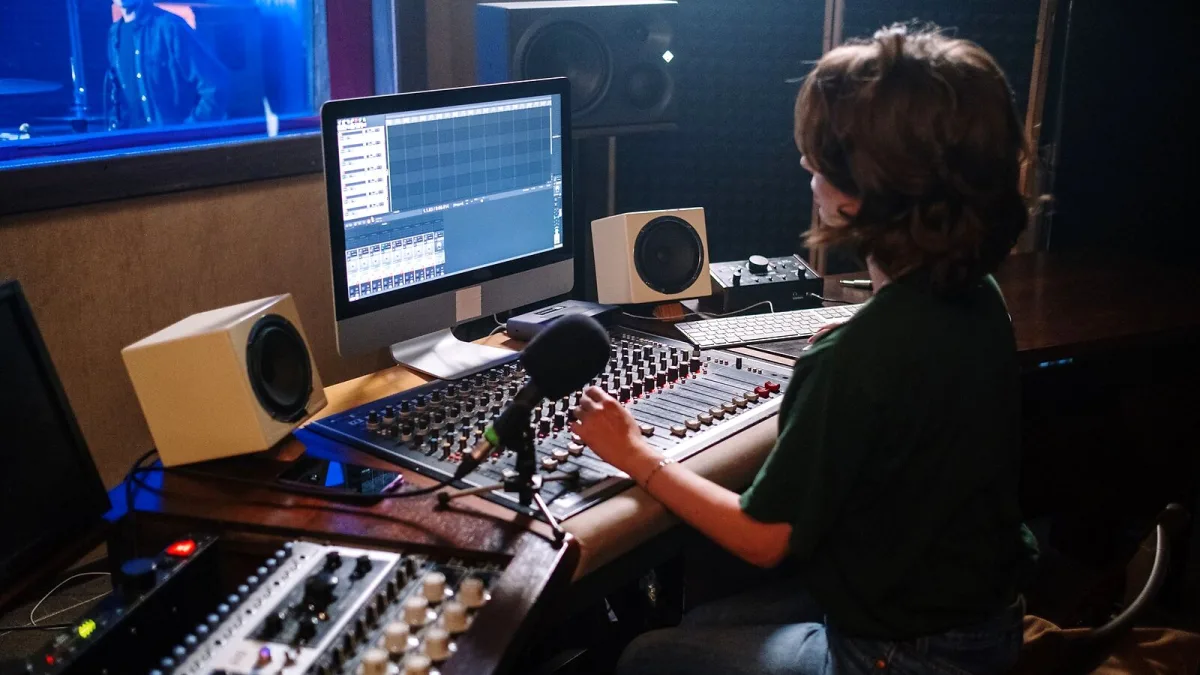
No invented product tests here, no fake benchmarks — just an honest look at which category of studio monitors actually earns its keep at each stage of a home studio, and why. Match the tier to your room and your workflow, not to whatever's being pushed hardest online.
Best Studio Monitors for a Small Bedroom Studio: Compact Nearfields
If you're working in a small, untreated-ish room, compact nearfield monitors are the sensible starting point, and it's not close. Listened to from close range, they let the room interfere less with what you hear, and their smaller drivers are genuinely better suited to modest listening distances than anything bigger. Pair them with even basic treatment at the first-reflection points and you'll get more useful, trustworthy information than much pricier studio monitors crammed into the same space ever could.
Best All-Rounder: Mid-Size Nearfields Plus a Sub
Once you've got some room treatment sorted and know your workflow, stepping up to a slightly larger nearfield paired with a properly integrated subwoofer is the most common "grown-up" home studio setup. The extra low-end extension genuinely helps with bass-heavy production, provided the sub is measured in rather than just placed in a corner and turned up. This tier suits anyone doing regular full-range mixing rather than mostly editing or tracking.
Best for Headphone-Only Setups: One Open, One Closed
If speakers aren't an option — thin walls, shared housing, unpredictable hours — the smart move isn't finding one perfect headphone, it's owning two: an open-back pair for mixing and critical listening, where the more natural, spacious presentation actually helps you make better decisions, and a closed-back pair for tracking, where isolation and reduced mic spill matter more than spaciousness. Trying to make one pair do both jobs well is where most headphone-only setups fall down.
Best for Room Correction on a Budget: Measurement Before Magic
Room-correction software from companies like Sonarworks, or manufacturer ecosystems such as Genelec's GLM and IK Multimedia's ARC, genuinely helps make monitoring more predictable — but only after you've dealt with the physical basics. The best "budget" move in this category isn't the cheapest correction software, it's spending that same money on a measurement microphone and basic broadband absorption first, then adding correction software once the room isn't actively fighting you.
Best If You've Got the Room and the Budget: Midfield Systems
With a properly sized, properly treated room, midfield studio monitors from established manufacturers can produce a scale and low-frequency extension that nearfields simply can't match. This tier only pays off with real listening distance and serious acoustic control behind it — dropping midfields into a small, untreated bedroom wastes most of what makes them worth the extra outlay in the first place.
| Situation | Best tier | Why |
|---|---|---|
| Small, untreated room | Compact nearfields | Reduces the room's influence |
| Established home studio | Mid-size nearfields + sub | Full-range mixing capability |
| No room for speakers | Open + closed headphones | Covers mixing and tracking separately |
| Difficult room, tight budget | Measurement mic + treatment first | Correction works better on a treated room |
| Large treated room | Midfield systems | Scale and low-end extension |
The Bottom Line
The best studio monitors for the money are whichever tier actually matches your room, your workflow and what you're honestly going to use, not the option with the most impressive numbers attached. For a full walkthrough of what to check before buying anything, our buyer's guide to audio monitoring is worth reading alongside this, and our common monitoring mistakes covers the traps that undo a good setup after the fact.



Comments