


Monitoring Audio article
Monitoring Audio for Beginners: A Complete Guide
No assumptions about what you already know. Here's where to actually start, and why good habits matter more than gear.
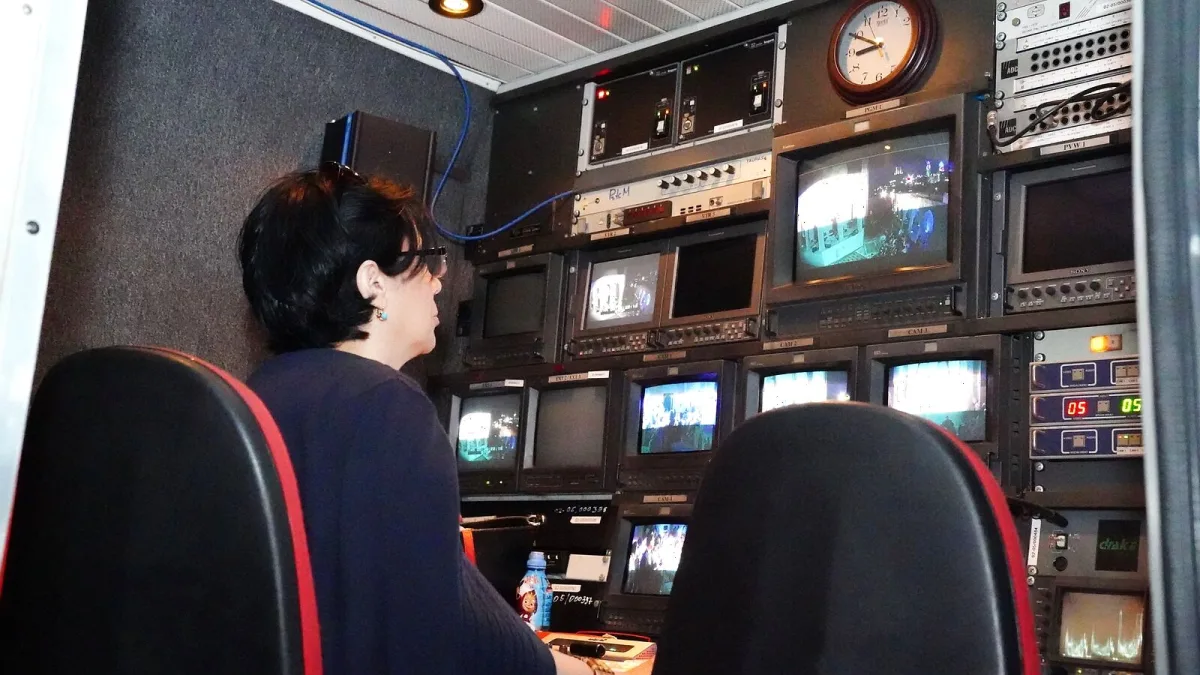
Let's start from the very beginning, with no assumptions about what you already know. Audio monitoring is simply the way you listen to what you're recording or mixing so you can trust your own decisions — and building good habits early matters far more than buying the right gear straight away.
Step One: Stop Trusting Your Laptop Speakers
Laptop and phone speakers are designed to sound pleasant, not accurate — they often boost certain frequencies to sound bigger than they are, and they can't reproduce low bass at all. That's fine for listening to music, but it means any mixing decision made purely on laptop speakers is being made partly blind. This is the first habit to build: know that what you're hearing on a laptop is not the full picture, and don't make final decisions there.
Step Two: Get a Pair of Headphones You Trust
Before you spend money on speakers, decent headphones are the quickest way to hear more of what's actually happening in a recording. You don't need the most expensive pair in the shop. What matters is using the same pair consistently, so you learn how they behave — where the bass sits, how bright the top end is — and start to translate that knowledge into better decisions.
Step Three: Add Simple Speakers When You're Ready
Once headphones feel familiar, a modest pair of nearfield monitors is the natural next step. They're designed to be listened to from close range, which matters more than you'd think, because it reduces how much your room can get in the way of what you're actually hearing. Position them so you and the two speakers form a rough triangle, with the speakers roughly at ear height and angled towards you — that's most of the placement theory you need to begin with.
You Don't Need a Perfect Room to Start
This is worth saying plainly: nobody starts with a perfectly treated room, and you don't need one to begin learning good audio monitoring habits. A cheap pair of foam panels at the points on the side walls where sound first bounces back at you will make a real difference without needing to rebuild your bedroom. Perfection can wait; consistency can't.
Simple Habits That Matter More Than Gear
- Listen at a moderate, repeatable volume. Turning things up makes everything sound more exciting and can trick you into a worse final mix.
- Check your mix in mono occasionally. It reveals problems, like parts cancelling each other out, that stereo listening can hide.
- Compare against a favourite commercial track. A familiar reference recording tells you far more than theory ever will.
- Take breaks. Your ears adapt to what they hear over time, and tired ears make worse decisions.
Common Beginner Worries
Worried your headphones or speakers "aren't good enough" yet? Nearly every engineer started on modest gear, and consistency with an average pair beats inconsistency with an expensive one. Worried about your room being too small or oddly shaped? So is almost everyone's home studio — it's a starting condition to work with, not a reason to wait before you begin.
Where to Go From Here
Once the basics feel comfortable, our buyer's guide to audio monitoring is the natural next step when you're ready to choose gear properly, and our complete guide to audio monitoring fills in the fuller technical picture once you're curious about it.



Comments