


Rode Nt1a article
The Ultimate Guide to Rode Nt1a
The Rode NT1-A has been a home-studio staple for years. Here's what it is, how it works, what it actually sounds like, and where it fits.
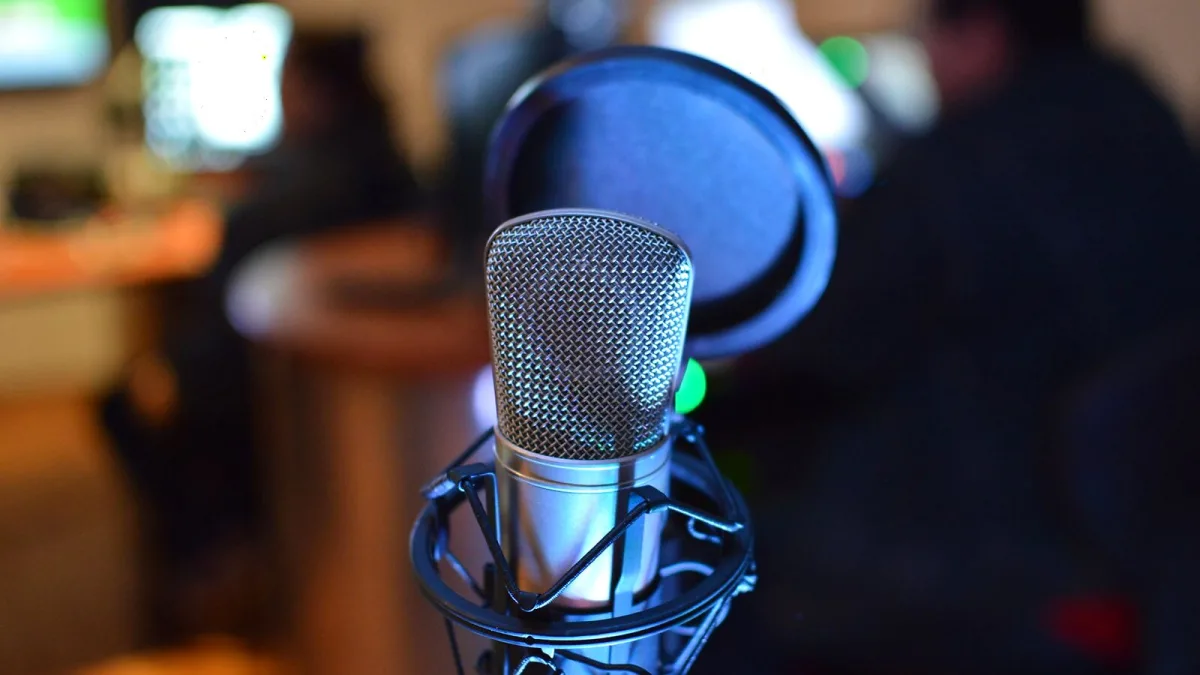
The Rode NT1-A turns up in more home studios than almost any other microphone, and there's a simple reason for that: it's quiet, it's detailed, and it doesn't cost a fortune. If you've been staring at spec sheets wondering what actually matters, this guide walks through what it is, how it works, what it sounds like, and where it fits alongside the rest of Rode's range.
What Is the Rode NT1-A?
It is a large-diaphragm condenser microphone from the Australian manufacturer Rode, built primarily for studio vocals, voice-over and acoustic instruments. Unlike a dynamic mic (the sort you'd find on a stage vocal), a condenser capsule needs external power to work at all, and in return it captures far more detail and quiet nuance. The NT1-A has been a fixture of affordable home recording for years, and it's still an active product in Rode's current line-up.
Its calling card, and the thing everyone mentions first, is a remarkably low self-noise figure of just 5 dB(A) — Rode markets it as one of the quietest studio microphones in the world. Whether or not it holds that exact crown depends on how you measure things, but the published number is genuine, and it's low enough to matter in practice.
Key Specifications
Here's the spec sheet distilled to the bits that actually change how the microphone behaves in a session:
| Spec | Value | Why it matters |
|---|---|---|
| Capsule | 1-inch (25mm) gold-sputtered diaphragm | Large diaphragms tend to sound rich and detailed on vocals |
| Polar pattern | Cardioid (fixed) | Picks up from the front, rejects the rear — no switchable patterns here |
| Self-noise | 5 dB(A) | Very quiet electronically; good for hushed vocals and narration |
| Max SPL | 137 dB | Plenty of headroom for most acoustic sources and amps at sensible distance |
| Frequency range | 20 Hz–20 kHz | Full audible range, though the shape of the response matters more than the range itself |
| Power | 48V phantom power | Needs an interface or preamp that supplies it |
Notice what's missing: there's no pad, no high-pass filter and no pattern switch. That keeps the design simple and the price down, but it also means you're relying on positioning and technique rather than on-board controls.
How a Condenser Microphone Like This Works
A condenser capsule is essentially two thin plates forming a capacitor, one of which moves very slightly as sound pressure hits it. That movement changes the capacitance and generates a tiny electrical signal — but the whole thing only works with an external charge, which is what phantom power supplies. That's why it goes silent the moment phantom power drops, and why it needs a proper microphone input rather than a line or instrument jack.
The upside of this design is sensitivity: this microphone can pick up detail a dynamic mic simply won't hear, from the breath before a vocal line to the resonance of an acoustic guitar's body. The downside is that it hears everything else too — room reflections, computer fans, traffic. A quiet microphone in a noisy room is still a noisy recording.
What It Actually Sounds Like
On vocals, the Rode NT1-A leans bright and present rather than flat or neutral. Rode itself describes it as having "rich bass articulation and a sparkling top end," and that's a fair summary — there's a lift in the upper midrange and treble that gives voices clarity and a sense of closeness. It's flattering on a lot of voices, but on a naturally sibilant singer, that same lift can make esses and t's poke through more than you'd like. A little distance, a slight off-axis angle, or a de-esser at the mix stage usually sorts it out.
On acoustic guitar, aiming it near the twelfth fret rather than straight at the sound hole tends to give a more balanced result — the sound hole alone can be boomy and uneven.
NT1-A vs the Newer Rode NT1
It's easy to assume the NT1 and NT1-A are the same microphone with a different sticker, but they're not. This one is the older, brighter-voiced design covered here; the newer NT1 has been developed around a more neutral response and, in current versions, extra connectivity options. If you're comparing reviews or specs online, double-check which model you're actually reading about — the names are close enough to cause genuine confusion.
What's in the Box
Retail packages can vary a little by region and by retailer, but it commonly ships with:
- The microphone itself
- A shock mount to isolate it from stand and desk vibration
- A pop filter to control plosive bursts of air
- An XLR cable
- A dust cover
Always confirm exactly what's included with your specific retailer before buying, since bundles do shift over time.
Who the NT1-A Suits Best
It's a strong fit for home-studio vocals, voice-over, podcasting in a treated space, and acoustic instruments where you want detail rather than raw loudness. It's less suited to very loud, close-miked sources given the lack of an on-board pad, and it's not the mic to reach for if you need multiple polar patterns for room or stereo recording. If you're weighing it up specifically against other microphones at a similar price, our complete buyer's guide goes through exactly what to check before you commit, and if you're just starting out, the beginner's guide is a gentler starting point.
The Bottom Line
The Rode NT1-A remains a genuinely capable microphone: quiet, detailed and honest about what a home studio's acoustics are doing. It rewards a bit of care with placement and room treatment far more than it demands expensive extra gear. If you already own one and want to get more from it, it's worth reading up on the common mistakes people make with it, and if you're weighing value against price tiers, see how it stacks up for the money.




Comments