


Rode Nt1a article
Rode Nt1a for Beginners: A Complete Guide
Just unboxed a Rode NT1-A? Here's a gentle, jargon-light start — what you need, your first ten minutes, and what to expect.
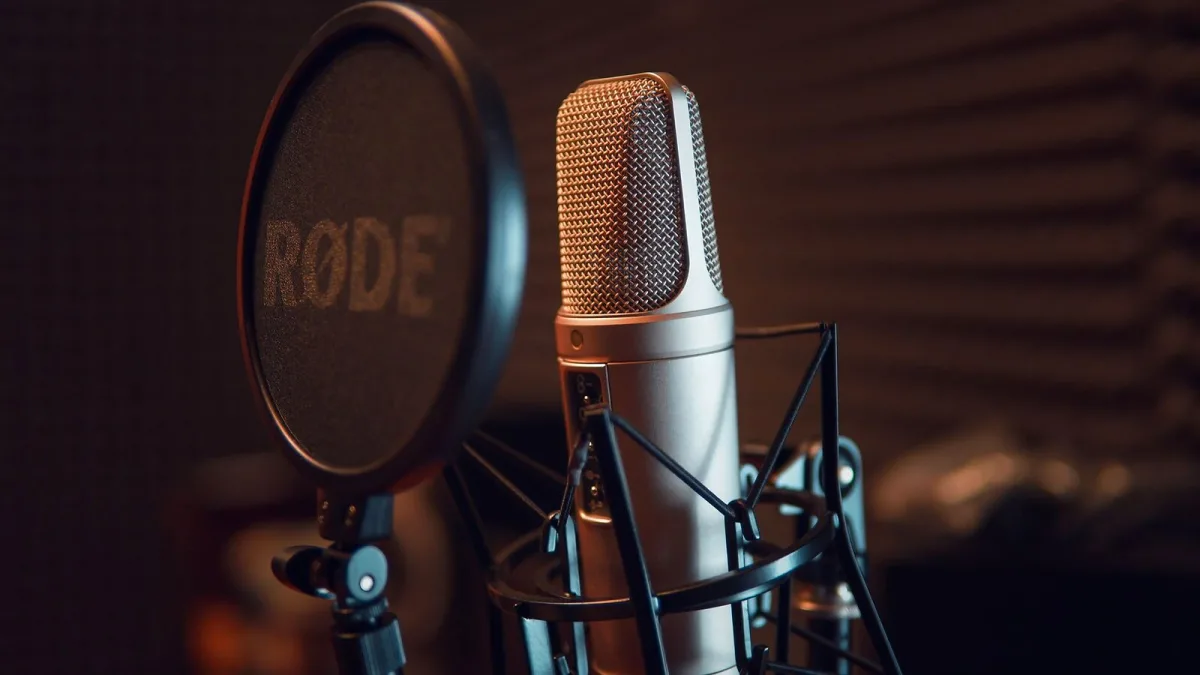
If you've just unboxed a Rode NT1-A and you're feeling a bit out of your depth, take a breath — you've picked a genuinely forgiving microphone to learn on. It's not going to punish small mistakes, and most of what trips people up in the first week is easy to fix once you know it's there. Let's take it slowly.
Is This a Sensible First Microphone?
Honestly, yes. Its very low self-noise means it won't add its own hiss to your recordings while you're still learning gain staging, and its detailed, present sound is flattering on most voices straight out of the box. The main thing to know upfront is that it's a condenser mic, not a dynamic one — which just means it needs external power to work at all. More on that in a second.
What You'll Need Alongside It
- An audio interface with 48V "phantom power" — a small switch or button, usually labelled +48V
- An XLR cable to connect the mic to the interface
- A stand or boom arm, plus the shock mount it came with
- Headphones, so you can hear yourself without feedback through speakers
Don't worry if that sounds like a lot — most of it is a one-time setup, and once it's plugged in, it stays that way.
Your First Ten Minutes
- Turn your interface's input gain all the way down before connecting anything.
- Plug the microphone into the interface with the XLR cable.
- Switch on 48V phantom power and give it a few seconds to settle.
- Speak normally at your intended recording distance and slowly bring the gain up.
- Watch the level meter — aim for peaks that sit comfortably below the red, not right against it.
- Record a short test clip and listen back on headphones before doing anything else.
That's genuinely it. Everything after this is refinement, not a different process.
Why It Needs "Phantom Power"
The name sounds odd, but the idea is simple: a condenser capsule works by sensing tiny changes in an electrical charge, and it needs a small constant voltage — 48V — sent up the same cable to create that charge in the first place. No power, no signal, full stop. It's called "phantom" because it travels invisibly down the same two wires carrying your audio, so you don't need a separate power cable. Every proper audio interface has a switch for it; just remember to turn your gain down before you flick it on, since some interfaces produce a small pop or thump the moment power kicks in.
The Nerves Are Normal
Nearly everyone worries the same three things when they start: "Is it too quiet?", "Is it too loud and distorting?", and "Why can I hear my computer fan?" All three are completely normal first questions, and none of them mean you've bought the wrong microphone. They mean you're learning gain staging and room awareness, which every single person who's ever recorded audio has had to do. The Rode NT1-A being so quiet electronically actually works in your favour here — any hiss you hear is almost certainly coming from somewhere else in the chain, which narrows down what to check.
Easy Wins for Better Sound Straight Away
- Record in the quietest room available, ideally one with soft furnishings rather than bare walls.
- Keep a consistent distance from the mic — six inches is a sensible starting point.
- Use the pop filter that came with it; it costs nothing to leave in place and solves a real problem.
- If your voice sounds harsh on "s" sounds, try angling the microphone very slightly off to one side.
- Don't touch or tap the microphone body while recording — it will hear every bump.
None of these require spending anything, and together they'll take you most of the way to a clean, usable recording.
What "Good Enough" Sounds Like
It's easy to compare your first recordings to a finished, mixed and mastered track and feel like something's wrong. It isn't. A raw vocal take through the Rode NT1-A should sound clear, close and reasonably free of background noise — it will still sound "dry" and unpolished compared with a released song, because that song has had compression, EQ and effects added afterwards. Judge your recording on clarity and noise, not on whether it already sounds like a finished record. That comparison comes later, once you start learning to mix.
Growing Into It
You won't outgrow the Rode NT1-A quickly. It's a genuinely capable microphone that plenty of people use for years without needing to replace it — what tends to improve over time is everything around it: your room, your technique, your interface. Once the basics feel comfortable, our guide to common mistakes is worth a read so you can skip the pitfalls other beginners hit, and the full overview goes deeper into how it actually works if you're curious. If you haven't bought yet and are still weighing it up, the buyer's guide covers what else you'll need.




Comments